

Based on your book
1984
by Orwell, George
Winston Smith lives in a world where history is rewritten daily, language is being systematically dismantled, and the state occupies every corner of your consciousness. Orwell crafts a suffocating environment where even a stray thought of rebellion is a dangerous liability. The reading experience is intentionally grueling; you are trapped inside Winston's head as he attempts to navigate a reality that demands total cognitive surrender. It is not an easy book to get through because it forces you to confront the fragility of objective truth and the terrifying efficiency of unchecked authority. This is essential reading for anyone who wants to understand the mechanics of paranoia and the slow, grinding erosion of the individual. If you prefer stories that leave you unsettled and questioning the structures that govern your own life, you will find this impossible to put down.
10 Books similar to '1984'
Since you finished 1984, you are likely looking for more fiction that interrogates the architecture of control. We curated these ten titles because they share that distinct sense of claustrophobia and moral weight. Whether it is the technological conditioning in Brave New World or the bureaucratic nightmare of The Trial, these books explore how power dynamics can distort human identity. We chose these because they go beyond mere politics, digging into the psychological toll of living in a compromised society. Each one offers a different, equally haunting perspective on the battle for personal sovereignty.
As an Amazon Associate, we earn from qualifying purchases.

Often paired with 1984, this classic explores a different flavor of totalitarianism where control is maintained through pleasure, conditioning, and distraction rather than fear. It offers a fascinating, chilling counterpoint to Orwell's vision of a surveillance state.

by Ray Bradbury
This novel presents a haunting vision of a future where literature is outlawed and firemen burn books to suppress independent thought. Fans of 1984 will appreciate the focus on state-sponsored censorship and the struggle for intellectual freedom.

Atwood's masterpiece depicts a theocratic regime that strips women of their rights and autonomy, mirroring the intense surveillance and loss of individual identity found in 1984. It is a terrifyingly plausible look at how quickly societal structures can collapse into oppression.

As the primary inspiration for Orwell's 1984, this Russian classic introduces the One State, where citizens are known by numbers and live in glass apartments under constant observation. It is essential reading for understanding the roots of the dystopian genre.

Love to read on the go?
Explore Kindle e-readers and take your books with you.
As an Amazon Associate, we earn from qualifying purchases.

by Franz Kafka
This surreal and nightmarish novel follows a man arrested for a crime he doesn't understand, trapped in an incomprehensible and oppressive bureaucracy. It perfectly captures the feeling of helplessness and paranoia that permeates the world of Winston Smith.
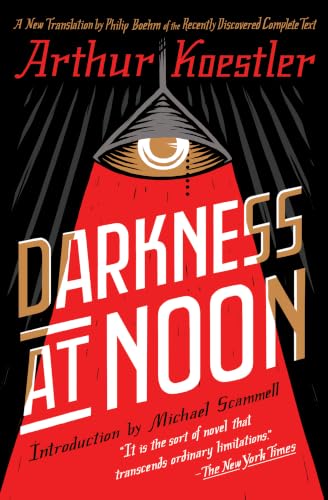
Set during the Stalinist Great Purge, this novel provides a harrowing, realistic look at the mechanics of totalitarian interrogation and the psychological erosion of a former party loyalist. It shares 1984's deep focus on the betrayal of ideals and the cruelty of the state.
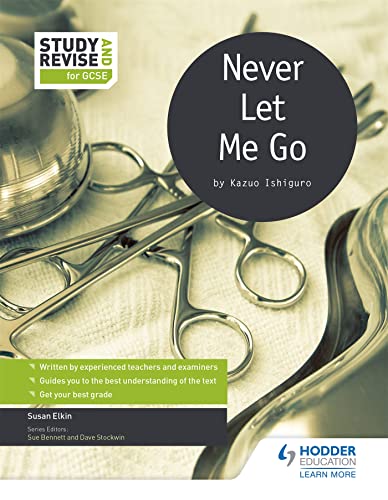
While quieter and more melancholic than 1984, this story about students at an exclusive boarding school slowly uncovering their dark purpose is deeply unsettling. It explores the suppression of truth and the dehumanization of a class of people with profound emotional impact.
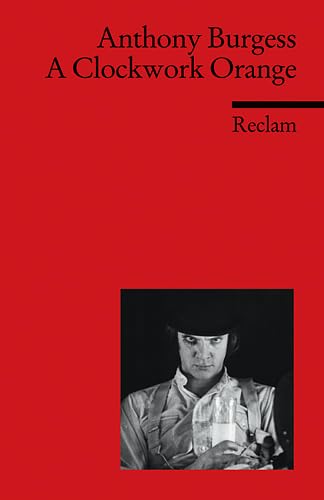
This novel delves into the morality of free will and the state's attempt to 'cure' criminality through psychological conditioning. Fans of 1984 will find the exploration of the state's reach into the human mind both familiar and deeply disturbing.

This alternate history novel imagines a world where the Axis powers won World War II, creating a sprawling, oppressive reality that feels fractured and paranoid. It shares Orwell's interest in how history is manipulated and how reality can be distorted by those in power.

Written in the 1930s, this novel depicts the rise of a populist dictator in the United States, serving as a chilling reminder of how easily democratic institutions can be dismantled. It is a powerful, satirical look at the fragility of freedom that resonates strongly with 1984's themes.

Not sure what they've already read?
Let them pick their next favorite with an Amazon Gift Card.
As an Amazon Associate, we earn from qualifying purchases.
As an Amazon Associate, we earn from qualifying purchases.