

Based on your book
A Brief History of Intelligence
by Bennett, Max S.
Max S. Bennett moves away from the usual alarmist rhetoric surrounding AI to offer a grounded, evolutionary perspective on how intelligence actually works. Instead of focusing solely on silicon, he maps out the biological milestones that paved the way for cognitive development, treating intelligence as a series of architectural layers rather than a magical spark. You will find this a dense, rewarding read that demands your full attention; it feels like sitting in on a high-level seminar that connects neuroscience, history, and computer science. It is not interested in quick tech trends or hype, but in the long, messy, and fascinating project of evolution. This is an essential choice for the reader who wants to understand the foundational mechanics of the mind before speculating on where our machines are heading next.
10 Books similar to 'A Brief History of Intelligence'
If you finished this book and found yourself craving a deeper understanding of the intersection between biology and computation, these ten titles are your next logical stops. We selected them because they share the same intellectual rigor and penchant for big-picture historical analysis. Whether you want to explore the engineering flaws of the human brain with Gary Marcus or grapple with the ethical constraints of future systems in Stuart Russell's work, these books reinforce the themes of structural evolution and the ongoing, existential challenge of building systems that reflect our own complexity.
As an Amazon Associate, we earn from qualifying purchases.

by Nick Bostrom
Like Bennett's work, this book offers a rigorous, analytical deep dive into the evolution and future trajectory of machine intelligence. It challenges readers to think critically about the existential risks and philosophical implications of creating systems smarter than ourselves.

This book provides a comprehensive, accessible history of machine learning, much like Bennett's exploration of intelligence evolution. It connects the dots between different schools of AI thought, making complex technical concepts understandable for a general audience.

by Max Tegmark
Tegmark parallels Bennett's interest in the broad scope of intelligence by framing AI as the next stage of evolution. It balances scientific rigor with speculative philosophy, perfect for readers interested in the long-term future of cognition.

by Jeff Hawkins
Hawkins shares Bennett's fascination with the biological roots of intelligence, arguing that to build true AI, we must first understand the brain's physical structure. It is a foundational text for anyone interested in the intersection of neuroscience and machine learning.

Prefer to listen?
Try Audible and hear the story instead of reading it.
As an Amazon Associate, we earn from qualifying purchases.

by John Markoff
This book provides a historical narrative of the two competing philosophies in tech: AI (replacing humans) vs. IA (intelligence augmentation). It complements Bennett's historical approach by focusing on the human-centric development of these technologies.

Christian explores the technical and ethical challenges of teaching AI human values, echoing the complex developmental questions raised in Bennett's work. It is a deeply researched, narrative-driven look at the history of machine learning failures and successes.
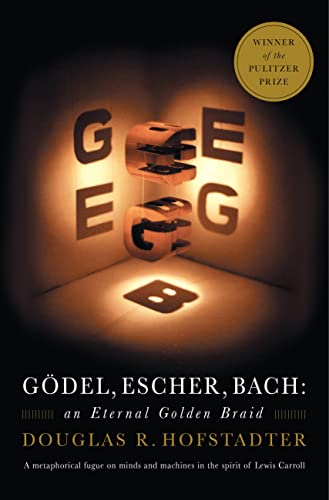
A classic for anyone interested in the nature of intelligence and consciousness, this book uses mathematics, art, and music to explore how systems emerge from simple rules. It shares the intellectual playfulness and deep curiosity found in Bennett's writing.

Russell offers a compelling argument for rethinking the foundations of AI, much like Bennett's re-examination of how intelligence evolved. It is an essential read for those interested in the structural and safety-oriented future of intelligent machines.

by Erik Brynjolfsson and Andrew McAfee
This book examines the economic and historical shifts caused by digital technologies, providing a broader context for the intelligence revolution Bennett describes. It is highly analytical and focuses on the societal impact of rapid technological progress.

by Gary Marcus
Marcus explores the evolutionary 'kluges' or flaws in the human brain, providing a perfect counterpoint to the study of artificial intelligence. Readers who enjoyed Bennett's perspective on the biological evolution of intelligence will appreciate this look at our own cognitive limitations.

Love to read on the go?
Explore Kindle e-readers and take your books with you.
As an Amazon Associate, we earn from qualifying purchases.
As an Amazon Associate, we earn from qualifying purchases.