

Based on your book
A Canticle for Leibowitz
by Walter M. Miller Jr.
Spanning thousands of years, this story follows a monastic order in the American Southwest tasked with preserving the scraps of human knowledge left after a nuclear apocalypse. The monks treat technical schematics like holy relics, often without understanding the science behind them. It is a cynical, darkly funny, and deeply somber look at the human tendency to build, destroy, and rebuild the same mistakes over and over. The pacing is deliberate, moving through distinct epochs that show society slowly clawing its way back to technology, only to inevitably face the same existential threats. You will appreciate this if you enjoy dense, philosophical science fiction that asks difficult questions about faith, the ethics of progress, and whether humanity is doomed to repeat its own ruin. It is not an optimistic read, but it is a profoundly intelligent one.
10 Books similar to 'A Canticle for Leibowitz'
If the cyclical nature of human failure in this book left you wanting more, our list focuses on works that share that same heavy, intellectual weight. We chose these titles because they explore the intersection of religious dogma and scientific preservation, often set in worlds where history has been reduced to myth. Whether you are looking for the linguistic experimentation of Hoban or the grand, empire-spanning scope of Asimov and Wolfe, these picks all grapple with the uncomfortable reality of what happens when a society tries to rebuild from the ashes of its own hubris.
As an Amazon Associate, we earn from qualifying purchases.
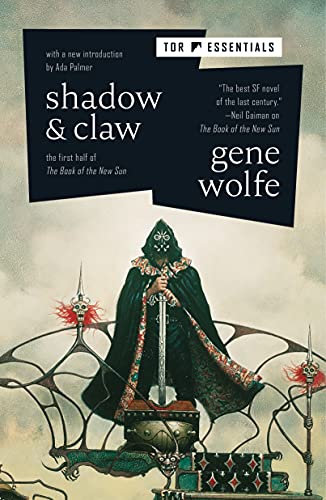
by Gene Wolfe
Like Miller's work, this series presents a distant, decaying future where technology is misunderstood as magic and history is layered in religious dogma. It shares a dense, intellectual prose style and a deeply philosophical approach to the cyclical nature of human civilization.

This novel explores the preservation of knowledge within monastic-like orders dedicated to science and philosophy, mirroring the central conflict of Leibowitz. It is a deeply intellectual narrative that tackles the tension between secular discovery and societal collapse.

This classic post-apocalyptic novel focuses on the slow, inevitable rebuilding of society and the loss of historical knowledge over generations. Fans of the long-term historical scope in Leibowitz will appreciate its realistic and somber examination of human endurance.

While more intimate in scale, this book shares the thematic preoccupation with preserving art, culture, and history after the collapse of civilization. It resonates with the same reverence for the artifacts of the past that drives the monks in Leibowitz.

Prefer to listen?
Try Audible and hear the story instead of reading it.
As an Amazon Associate, we earn from qualifying purchases.

by John Wyndham
This story examines a post-nuclear society that has regressed into religious fundamentalism and fear of 'deviations,' echoing the tension between dogma and scientific advancement found in Miller's work. It is a concise, thought-provoking look at how societies enforce orthodoxy after disaster.

by Isaac Asimov
Focusing on the preservation of knowledge during the fall of a galactic empire, this book mirrors the encyclopedic and long-term historical view of Leibowitz. It explores the necessity of maintaining civilization's records against the tides of inevitable collapse.

Written in a unique, evolved dialect, this novel depicts a post-apocalyptic Britain attempting to reconstruct the past through myth and ritual. Its linguistic complexity and focus on the corruption of history make it a spiritual cousin to the narrative structure of Leibowitz.

Through its nested structure and exploration of humanity's recurring patterns of violence and enlightenment across time, this book captures the same cyclical history theme. Its shifting genres and voices provide a similar intellectual challenge to the reader.

by David Brin
This novel deals with the restoration of societal order after a collapse, specifically focusing on the power of symbols and communication to bind people together. It shares the 'rebuilding civilization' motif that defines the second and third acts of Leibowitz.
For those who loved the original, the posthumously completed sequel offers a deeper dive into the specific world and ecclesiastical culture Miller created. It continues the exploration of the church's role in a world struggling to emerge from its own ashes.

Love to read on the go?
Explore Kindle e-readers and take your books with you.
As an Amazon Associate, we earn from qualifying purchases.
As an Amazon Associate, we earn from qualifying purchases.