
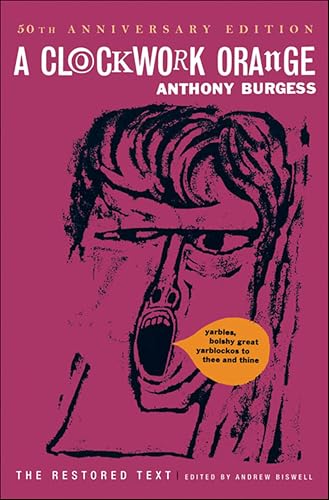
Based on your book
A Clockwork Orange
by Anthony Burgess
A Clockwork Orange throws you headfirst into the unsettling world of Alex, a charismatic but utterly depraved youth who finds joy in 'ultra-violence.' Burgess doesn't just present a story; he immerses you in a linguistic experiment with Alex's unique slang, Nadsat, which quickly becomes part of the unsettling atmosphere. It's a sharp, uncomfortable read that forces you to grapple with profound questions: is true morality a choice, even if that choice is evil? Or is it better to be forcibly 'good,' stripped of free will? The book is a disturbing, darkly satirical look at state control, individual freedom, and the very nature of humanity. Pick this up if you're ready for a provocative, philosophical punch to the gut that will stay with you long after the final page.
10 Books similar to 'A Clockwork Orange'
If Anthony Burgess's A Clockwork Orange left you pondering the uncomfortable truths about free will and societal control, you're in good company. We've curated a list of books that echo its stark vision and philosophical depth. Many of these recommendations, from Nineteen Eighty-Four to Brave New World, delve into the chilling mechanics of dystopian societies and the psychological manipulation used to enforce conformity. Others, like American Psycho and Lord of the Flies, mirror Burgess's unflinching gaze into the darker corners of human nature and the moral dilemmas that arise when individuals clash with oppressive systems or their own destructive impulses. These are reads that challenge, disturb, and provoke thought.
As an Amazon Associate, we earn from qualifying purchases.

Like "A Clockwork Orange," this novel delves into a chilling dystopian future where the state exerts absolute control over its citizens, exploring themes of psychological manipulation, free will, and the individual's struggle against an oppressive system. Both books feature protagonists who challenge the established order, albeit with different outcomes.

This dystopian classic mirrors "A Clockwork Orange" in its exploration of a society where individual freedom is sacrificed for societal stability, focusing on conditioning and the loss of authentic human experience. Both authors critically examine the ethical implications of state control over human behavior and thought.
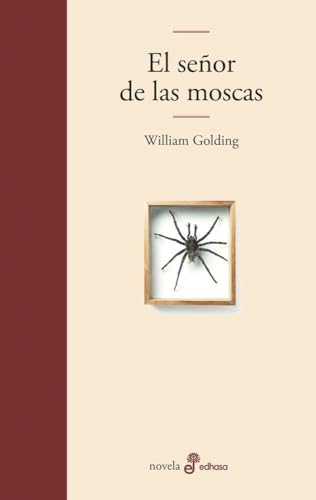
While not a traditional dystopia, "Lord of the Flies" shares "A Clockwork Orange's" dark exploration of human nature's capacity for savagery, particularly among youth, and the breakdown of societal order. Both books confront the unsettling question of inherent evil and the fragility of civilization.

As a foundational dystopian novel, "We" presents a society under rigid mathematical control, echoing "A Clockwork Orange's" themes of enforced conformity and the suppression of individual will. The protagonist's internal struggle against a dehumanizing system will resonate with readers who appreciate Burgess's critique of conditioning.

Prefer to listen?
Try Audible and hear the story instead of reading it.
As an Amazon Associate, we earn from qualifying purchases.

This powerful dystopian novel, like "A Clockwork Orange," explores the horrors of a totalitarian regime that strips individuals of their autonomy and identity, particularly through the lens of social control and psychological manipulation. It shares a grim, thought-provoking atmosphere and a focus on resilience in the face of oppression.

For readers drawn to the disturbing violence, psychological depth, and satirical edge of "A Clockwork Orange," "American Psycho" offers a similarly unsettling journey into the mind of a morally ambiguous protagonist. Both novels use extreme behavior to critique societal values and explore the darkest aspects of human nature.

Fans of "A Clockwork Orange's" rebellious spirit, cynical social commentary, and exploration of identity will find a kindred spirit in "Fight Club." This novel delves into themes of alienation, consumerism, and the destructive impulses of a disillusioned generation, often with a raw and unsettling narrative voice.

While set in a post-apocalyptic world rather than a controlled dystopia, "The Road" shares "A Clockwork Orange's" bleak atmosphere and unflinching portrayal of humanity's capacity for both cruelty and resilience in extreme circumstances. Its stark prose and moral dilemmas will appeal to those who appreciate a gritty, thought-provoking read.

This science fiction classic, which inspired "Blade Runner," shares "A Clockwork Orange's" dystopian setting and its profound questions about what constitutes humanity, free will, and the nature of empathy. The novel's complex moral landscape and psychological depth will resonate with readers seeking intellectual challenges.

Another work by Anthony Burgess himself, this satirical dystopian novel explores themes of overpopulation, social control, and the manipulation of human behavior through state policy, echoing the critical social commentary found in "A Clockwork Orange." Readers will appreciate Burgess's distinctive voice and his dark, thought-provoking vision of society.

Love to read on the go?
Explore Kindle e-readers and take your books with you.
As an Amazon Associate, we earn from qualifying purchases.
As an Amazon Associate, we earn from qualifying purchases.