
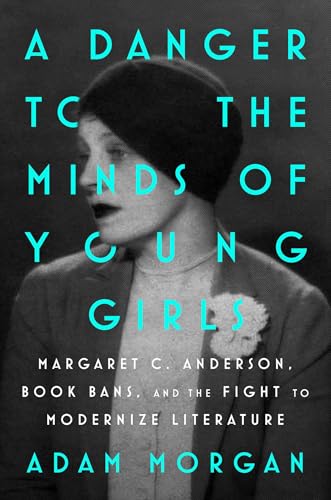
Based on your book
A Danger to the Minds of Young Girls
by Morgan, Adam
Adam Morgan digs into the historical moral panics that erupted when dime novels and sensationalist literature first reached the hands of impressionable young readers. This is not a dry academic text; instead, it reads like a psychological autopsy of a society terrified of its own youth. Morgan uncovers the power dynamics at play, showing how adults weaponized fears about reading to maintain control over the next generation. The atmosphere is dense with historical detail and a sense of inevitable loss, tracing how the sanctity of childhood was used as a justification for censorship. If you are someone who enjoys peeling back the layers of cultural anxieties or examining why we are so quick to blame media for the perceived corruption of the young, this book will keep you thinking long after you finish the final page.
10 Books similar to 'A Danger to the Minds of Young Girls'
Since you found the intellectual rigor and historical unease of this book compelling, our list focuses on the intersection of media, societal control, and the fragility of the youthful mind. We have paired Morgan's work with fiction like The Catcher in the Rye and Fahrenheit 451 to highlight the friction between individual thought and institutional suppression. Additionally, we included sociological touchstones like Amusing Ourselves to Death to ground the historical analysis in broader patterns of how we consume information. These selections explore why we fear stories and how those fears shape our social reality.
As an Amazon Associate, we earn from qualifying purchases.

Like Morgan's exploration of moral panics surrounding youth literature, this classic novel captures the intense friction between adult expectations and teenage rebellion. It remains the quintessential examination of the 'danger' adults perceive in the unfiltered thoughts and actions of the young.

by Ray Bradbury
This dystopian masterpiece mirrors the central anxiety in Morgan's work regarding censorship and the control of information. It serves as a fictionalized warning about what happens when society decides certain texts are too dangerous for public consumption.

Readers who enjoyed the historical analysis of how media shapes young minds will appreciate this deep dive into modern technological anxiety. It provides a contemporary parallel to the historical moral panics Morgan documents, questioning how new mediums alter our cognitive development.

by A.S. Byatt
Set against the backdrop of the Edwardian era, this novel deeply explores the relationship between authors, their stories, and the children who consume them. It shares the same rich historical atmosphere and intellectual curiosity about the power of literature found in Morgan's non-fiction.

Prefer to listen?
Try Audible and hear the story instead of reading it.
As an Amazon Associate, we earn from qualifying purchases.

by Neil Postman
Postman’s seminal work is essential reading for anyone interested in the sociology of media consumption, much like Morgan's analysis of dime novels. It brilliantly argues how the medium of communication dictates the quality of the message, a core theme in the history of moral panics.

This novel captures the specific era of moral anxiety and shifting social norms that Morgan discusses in his historical context. It reflects the 'Jazz Age' fears about the corruption of youth and the loss of traditional values that dime novels were often accused of accelerating.

Monroe examines the cultural obsession with true crime, providing a modern mirror to the historical moral panics surrounding 'dangerous' reading material. It is a sharp, analytical look at why society is so fascinated by the dark side of storytelling.

While this is a classic of children's literature, it is fascinating to read alongside Morgan's work, as it represents the 'wholesome' literature that dime novels were often contrasted against. It offers a direct window into the 19th-century domestic ideals that parents were desperate to protect.

Wharton’s novel perfectly encapsulates the rigid social structures and moral gatekeeping of the era Morgan writes about. It highlights the tension between individual desire and the societal pressure to maintain a specific, 'safe' public image.

by Susan Orlean
This book celebrates the central role of libraries in society, offering a thematic counterpoint to the fear of books expressed in Morgan's work. It explores the history and cultural importance of reading, making it a perfect companion for bibliophiles interested in the sociology of literature.

Love to read on the go?
Explore Kindle e-readers and take your books with you.
As an Amazon Associate, we earn from qualifying purchases.
As an Amazon Associate, we earn from qualifying purchases.