
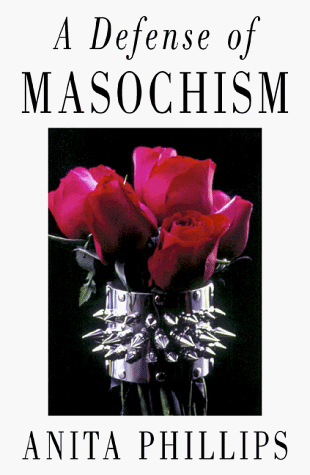
Based on your book
A Defense of Masochism
by Phillips, Anita
Anita Phillips does not treat masochism as a pathology to be cured or a moral failing to be condemned. Instead, she approaches it as a complex human response to the world, one that reveals truths about our capacity for endurance and pleasure. This is a dense, philosophical interrogation that moves through cultural history and psychological theory with a deliberate, steady hand. You will not find quick answers or easy empathy here; rather, the book demands you sit with the discomfort of your own assumptions. It is written for readers who enjoy having their intellectual foundations rattled, particularly those who prefer their non-fiction to feel like a high-stakes conversation with an uncompromising mind. If you are interested in how we categorize human behavior and why we are so quick to pathologize the unconventional, this book offers a bracing, necessary perspective.
10 Books similar to 'A Defense of Masochism'
When you finish a book as intellectually bold as this, you naturally want to keep pulling at the threads of social conditioning and desire. We selected these ten titles because they share Phillips' commitment to dismantling rigid labels and exploring the messy intersection of power and pleasure. Whether it is the sharp cultural critique found in Maggie Nelson or the foundational psychoanalytic inquiries of Freud and Foucault, these works mirror the analytical rigor you just experienced. They are perfect for anyone who wants to continue questioning the boundaries of identity, morality, and the human condition.
As an Amazon Associate, we earn from qualifying purchases.

Like Phillips, Feynman challenges conventional wisdom and explores the psychological underpinnings of human curiosity and experience. His intellectual rigor and willingness to embrace unconventional perspectives make this an excellent companion for those who enjoyed the analytical depth of A Defense of Masochism.
This work delves into the complex relationship between visual culture and human desire, much like Phillips' exploration of masochism as a psychological construct. It offers a similarly academic yet provocative look at how we define and experience pleasure.

Nelson provides a brilliant, nuanced examination of the role of cruelty in art and culture, mirroring Phillips' ability to take a taboo subject and dismantle its simplistic definitions. Readers who appreciated the intellectual bravery in A Defense of Masochism will find this equally challenging and rewarding.

by Susan Sontag
Sontag's seminal collection of essays challenges how we perceive art and experience, demanding a more direct, less pathologized engagement with the world. Its tone and rigorous intellectual style align perfectly with the scholarly yet subversive nature of Anita Phillips' work.

Prefer to listen?
Try Audible and hear the story instead of reading it.
As an Amazon Associate, we earn from qualifying purchases.

Foucault’s foundational text on how power and knowledge shape our understanding of sexuality is the intellectual ancestor to Phillips' arguments. It provides the essential theoretical framework for anyone interested in the deconstruction of psychological labels.

To understand the cultural roots of the subject Phillips analyzes, this classic novel is essential reading. It provides the literary context for the term 'masochism' and offers a narrative exploration of the power dynamics that Phillips dissects in her non-fiction work.

Blending memoir with critical theory, this book explores the fluidity of identity and desire with the same intimate, sharp intelligence found in Phillips' writing. It is a deeply personal yet highly analytical look at how we define our relationships and ourselves.
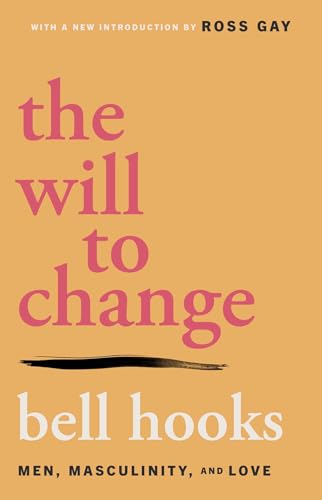
by bell hooks
Hooks examines the societal and psychological conditioning of human behavior with the same clarity and empathy that Phillips brings to masochism. Both authors seek to liberate the reader from restrictive labels and encourage a deeper understanding of human emotional complexity.

As the primary architect of the psychoanalytic theories that Phillips critiques and expands upon, Freud is necessary reading for this subject. His work provides the foundational tension between individual desire and societal constraints that drives the conversation in A Defense of Masochism.

Scarry’s philosophical inquiry into the nature of beauty and its relationship to justice and our internal lives shares the elegant, precise prose style of Phillips. It is a contemplative work that elevates the discussion of human experience to a higher plane.

Love to read on the go?
Explore Kindle e-readers and take your books with you.
As an Amazon Associate, we earn from qualifying purchases.
As an Amazon Associate, we earn from qualifying purchases.