
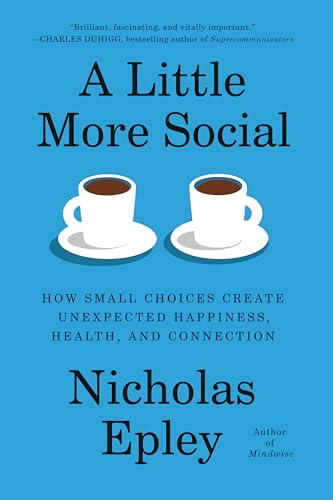
Based on your book
A Little More Social
by Epley, Nicholas
Nicholas Epley pivots from the mechanics of the mind to the practical art of human connection. This book functions as a gentle but rigorous audit of our daily interactions, asking why we often choose isolation or superficiality when deeper engagement is within reach. Epley avoids preachy self-help tropes, opting instead for a cool, observational style that treats social life like a laboratory for personal growth. The reading experience is quiet and reflective, demanding that you pause to consider your own habits of avoidance or misunderstanding. It is not a guide for social butterflies, but rather a thoughtful tool for anyone who feels that their interactions lack substance. If you enjoy peeling back the layers of your own behavior and want to understand the invisible barriers that keep us from truly knowing one another, this is an essential companion for your bedside table.
10 Books similar to 'A Little More Social'
If the analytical approach of A Little More Social left you wanting to explore the science of human friction further, these selections offer the perfect next steps. We curated this list to bridge the gap between abstract psychology and the lived experience of connection. Whether you are looking for the foundational behavioral frameworks found in Mindwise and Predictably Irrational, or the empathetic sociological inquiries of authors like Brené Brown and Arlie Russell Hochschild, these books collectively unpack why we act the way we do and how we might bridge the divide between ourselves and others.
As an Amazon Associate, we earn from qualifying purchases.

As the foundational work by the same author, this book provides the deep psychological framework that explains why we struggle to connect with others. Readers who enjoyed the accessible social science of Epley's later work will find this essential reading for understanding the mechanics of human interaction.

Gladwell explores the friction that occurs when we interact with people outside our social circles, mirroring Epley's focus on the misinterpretations that plague human connection. It is a masterclass in behavioral science that challenges our assumptions about how we perceive others.

by Susan Cain
Cain validates the experience of those who find social interaction draining or difficult, offering a perfect counterpoint to the pressure to be 'more social.' It shares Epley's commitment to understanding the nuances of personality and the science of human behavior.
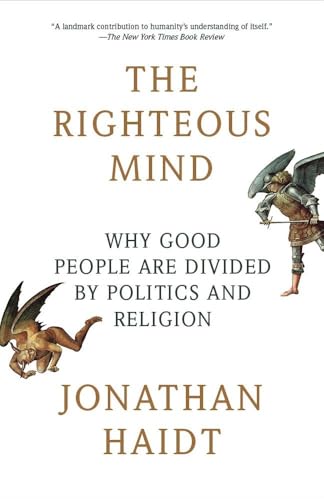
Haidt delves into the moral intuitions that drive our social behavior, providing a deeper look at the 'why' behind our inability to understand those who think differently. Like Epley's work, it uses rigorous research to explain the complexities of human social instincts.

Prefer to listen?
Try Audible and hear the story instead of reading it.
As an Amazon Associate, we earn from qualifying purchases.

While written in a different era, this classic remains the definitive guide on the practical application of social skills. It complements Epley's modern scientific approach by offering actionable, time-tested advice on how to bridge the gap between ourselves and others.

by Dan Ariely
Ariely explores the systematic errors we make in our daily lives, much like Epley explores the systematic errors we make in our social perceptions. It is a witty and accessible look at the hidden psychological forces that dictate how we behave.

by Brené Brown
Brown tackles the paradox of needing to belong while remaining true to oneself, a central theme for anyone trying to be 'more social' without losing their identity. Her empathetic, research-backed voice resonates strongly with readers interested in the psychology of connection.
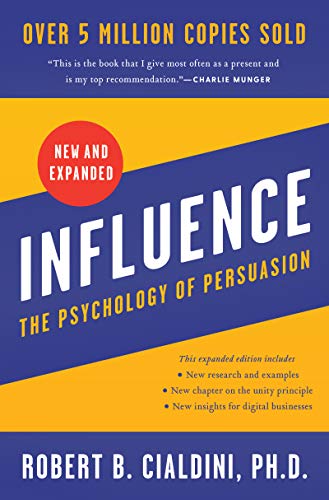
Cialdini provides a scientific breakdown of the social triggers that cause us to say 'yes,' offering a fascinating look at the mechanics of human influence. It is a must-read for anyone interested in the psychological levers that drive our social interactions.

by David Brooks
Through a fictional narrative, Brooks illustrates the scientific findings of how our subconscious minds shape our social lives and success. It offers a unique, story-driven perspective on the same behavioral science themes found in Epley's work.

Hochschild uses deep empathy and sociological research to understand the 'deep story' of people whose views are vastly different from her own. It is a powerful exercise in the very skill Epley advocates: truly understanding the mind of another person.

Love to read on the go?
Explore Kindle e-readers and take your books with you.
As an Amazon Associate, we earn from qualifying purchases.
As an Amazon Associate, we earn from qualifying purchases.