

Based on your book
A Mind for Numbers
by Oakley PhD, Barbara
Barbara Oakley dismantles the myth that you are born with a mathematical brain. Instead, she presents learning as a set of mechanical processes that anyone can master with the right toolkit. The book shifts between rigorous cognitive science and practical, everyday advice, explaining how your brain toggles between focused and diffuse modes of thinking. The reading experience is grounded and encouraging; it feels less like a textbook and more like a candid conversation with a mentor who wants you to succeed. Oakley is particularly effective at turning complex neurological concepts into actionable habits, like overcoming procrastination or using analogies to solidify difficult ideas. This is an ideal guide for the lifelong learner, the returning student, or anyone who has ever felt intimidated by a challenging subject and wants to reclaim their ability to grow.
10 Books similar to 'A Mind for Numbers'
If you finished A Mind for Numbers and feel ready to turn your new knowledge into a lifestyle, these selections are your next logical steps. We chose these titles because they bridge the gap between understanding how your brain works and actually mastering difficult skills. Whether you are interested in the deliberate practice found in Peak or the habit-building systems of Atomic Habits, this collection focuses on the intersection of cognitive science and personal growth. These authors share Oakley's empowering belief that intellectual barriers are often just temporary obstacles waiting for the right strategy.
As an Amazon Associate, we earn from qualifying purchases.
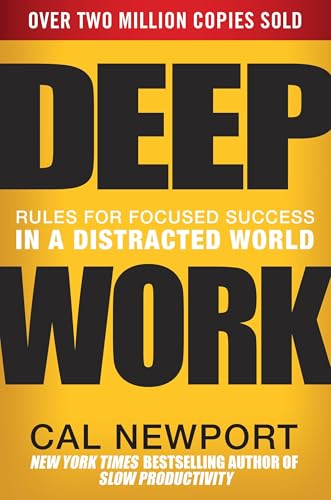
by Cal Newport
Like Oakley's work, this book provides actionable, science-backed strategies for mastering difficult cognitive tasks. It complements the techniques in 'A Mind for Numbers' by focusing on the environmental and behavioral habits necessary for sustained mental performance.

This book dives deep into the cognitive science behind how we learn and retain information, aligning perfectly with Oakley's focus on effective study habits. It debunks common myths about learning, offering a rigorous yet accessible framework for academic and professional growth.
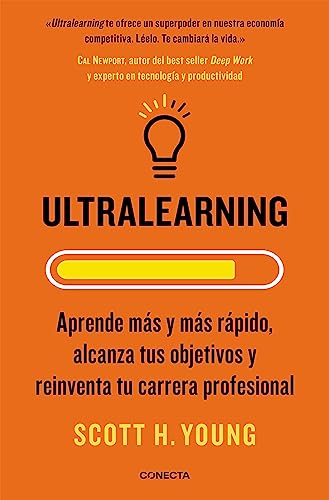
by Scott Young
For readers who enjoyed the practical application of learning theories in 'A Mind for Numbers,' this book offers a roadmap for aggressive, self-directed skill acquisition. It shares the same empowering 'you can learn anything' philosophy that defines Oakley's writing.

Ericsson's research on 'deliberate practice' is the foundational science behind many of the concepts Oakley discusses. This book is essential for understanding the mechanics of how the brain improves through focused effort and structured feedback.

Love to read on the go?
Explore Kindle e-readers and take your books with you.
As an Amazon Associate, we earn from qualifying purchases.

by James Clear
While Oakley focuses on the mechanics of learning, Clear focuses on the systems required to sustain the habits that make learning possible. It is a perfect companion piece for readers looking to operationalize the study habits described in 'A Mind for Numbers.'

by Joshua Foer
This book explores the fascinating world of memory techniques, providing a narrative-driven look at the same brain plasticity concepts Oakley advocates. It bridges the gap between scientific theory and real-world application in an engaging, personal journey.

Dweck's concept of the 'growth mindset' is the psychological bedrock upon which Oakley's learning strategies are built. It provides the necessary mental framework to overcome the fear of failure that often hinders students in STEM fields.

Waitzkin offers a philosophical and practical look at how to master complex skills, moving from chess to martial arts. It mirrors Oakley's emphasis on the 'diffuse mode' of thinking and the importance of intuition in high-level problem solving.

Carey provides a highly readable synthesis of cognitive science that supports and expands on the techniques found in 'A Mind for Numbers.' It encourages readers to embrace 'productive struggle' and unconventional study environments to maximize retention.

Epstein challenges the idea that early specialization is the only path to success, offering a compelling argument for the importance of breadth and diverse mental models. This resonates with Oakley's encouragement to connect disparate ideas and use multiple modes of thinking.

Not sure what they've already read?
Let them pick their next favorite with an Amazon Gift Card.
As an Amazon Associate, we earn from qualifying purchases.
As an Amazon Associate, we earn from qualifying purchases.