

Based on your book
A Room of One's Own
by Woolf, Virginia
Virginia Woolf delivers a sharp, conversational meditation on the material conditions required for creative output. By imagining a hypothetical sister of Shakespeare, she illustrates how systemic inequality and the lack of financial independence historically stifled female genius. The writing feels like an intimate, high-stakes lecture; Woolf is witty, restless, and deeply analytical, moving seamlessly between personal reflection and historical critique. She does not lecture from a pedestal but rather invites the reader to walk through the archives of history alongside her, questioning why certain voices are amplified while others remain silenced. This book is for the reader who enjoys intellectual puzzles and wants to understand the structural barriers to artistic freedom. It is essential reading for anyone interested in the intersection of economics, history, and the life of the mind.
10 Books similar to 'A Room of One's Own'
Since this essay serves as a foundational text for intellectual independence, we have curated a list that explores the evolution of the female voice across time and genre. These selections bridge the gap between Woolf's historical analysis and modern discourse on power dynamics and self-discovery. Whether you are drawn to the philosophical rigor of Beauvoir or the biting contemporary social commentary of Solnit and Gay, these titles expand on the necessity of agency. They collectively examine the psychological and societal costs of being an outsider, offering a broader context for the creative liberty Woolf championed.
As an Amazon Associate, we earn from qualifying purchases.

Like Woolf's work, this foundational feminist text offers a rigorous, philosophical exploration of the structural and societal limitations placed upon women. It shares the same intellectual intensity and serves as a vital companion piece for understanding the history of women's intellectual and creative freedom.

by Sylvia Plath
Plath's semi-autobiographical novel echoes Woolf's concerns about the stifling nature of societal expectations for women and the struggle to maintain an independent creative voice. The narrative voice is deeply introspective and captures the claustrophobic reality of a woman fighting to define herself against the grain of her era.

Solnit's collection of essays carries the torch of Woolf's wit and sharp cultural critique, addressing the silencing of women's voices in modern discourse. It is a direct spiritual successor that combines personal narrative with broader social observation in a way that feels both timeless and urgent.

For readers who appreciate Woolf's unique prose style, this novel offers a playful, imaginative exploration of gender fluidity and history. It expands on the themes of identity and creative liberty found in her non-fiction, presented through a lush, lyrical narrative.

Not sure what they've already read?
Let them pick their next favorite with an Amazon Gift Card.
As an Amazon Associate, we earn from qualifying purchases.

by Roxane Gay
Gay’s essays provide a modern, intersectional lens on the same issues of representation and creative autonomy that Woolf championed. Her voice is conversational yet incisive, making it a perfect contemporary match for the accessible yet profound style of 'A Room of One's Own'.

This classic short story captures the psychological toll of domestic confinement, a central theme in Woolf's argument about the necessity of space for women. It is a haunting, powerful look at what happens when a woman is denied the agency to express her intellect and creativity.
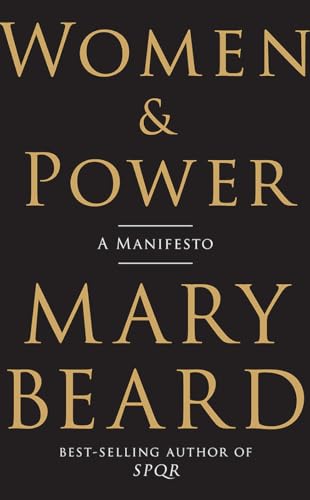
by Mary Beard
Beard connects the ancient roots of misogyny to modern political discourse, echoing Woolf's historical analysis of why women have been excluded from public life. It is a concise, brilliant read that challenges the reader to rethink the structures of authority and speech.

As one of the earliest arguments for women's education and equality, this text provides the historical foundation for the ideas Woolf later popularized. Readers interested in the genealogy of feminist thought will find this essential and surprisingly relevant to Woolf’s arguments.

by Christa Wolf
Wolf uses the mythological figure of Cassandra to explore the silencing of women's voices and the cost of speaking truth to power. The narrative is deeply reflective and philosophical, mirroring Woolf's interest in the intersection of history, myth, and the female experience.

by Kate Chopin
This novel explores the struggle for self-possession and creative freedom in a society that demands domestic conformity, themes central to Woolf's work. It is a beautifully written, poignant look at the internal life of a woman seeking to define her own existence.

Prefer to listen?
Try Audible and hear the story instead of reading it.
As an Amazon Associate, we earn from qualifying purchases.
As an Amazon Associate, we earn from qualifying purchases.