

Based on your book
A School for Fools
by Sokolov, Sasha
Reading A School for Fools feels like trying to hold water in your hands. You follow a young boy—or perhaps two halves of the same person—as he navigates the borders between a rigid Soviet school system and a private, fluid reality where time and geography collapse. The prose is lush, rhythmic, and intentionally disorienting, forcing you to abandon the need for a linear plot. Instead, you are invited to inhabit a fragile, lonely consciousness that treats memory as a physical landscape. It is a deeply melancholy experience, yet it possesses a strange, magical beauty that makes the isolation feel almost sacred. If you prefer your literature to operate like a fever dream rather than a roadmap, and if you are willing to let the author dictate the logic of the world, this will stay with you long after the final page.
10 Books similar to 'A School for Fools'
The books selected here were chosen because they mirror the specific mental architecture of Sokolov's work. If the fractured, unreliable perspective of our young protagonist felt like home, you will find similar disorientation in the works of Nabokov and Faulkner. We have curated this list to highlight authors who treat language as a musical instrument, using stream-of-consciousness and surrealist logic to map the internal crisis of the individual. Whether through the existential dread of Dostoevsky or the dream-like construction of Calvino, these titles explore the thin line between genius and madness.
As an Amazon Associate, we earn from qualifying purchases.

Like Sokolov, Nabokov masterfully manipulates language and memory to create a dense, lyrical exploration of an artist's inner life. Fans of the fragmented, stream-of-consciousness narrative in A School for Fools will appreciate the intricate structure and high-level stylistic playfulness here.
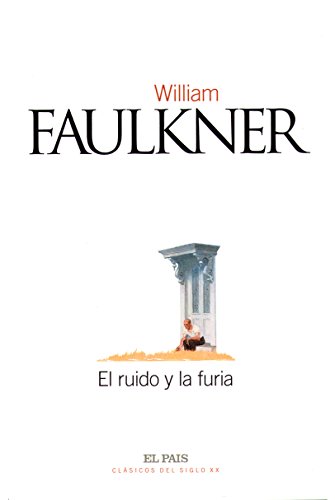
This classic novel shares the disorienting, non-linear, and deeply subjective perspective of a narrator who perceives time differently than the rest of the world. It is the definitive precursor to the kind of psychological fragmentation and lyrical stream-of-consciousness found in Sokolov's work.

by Andrei Bely
Often cited as the Russian Ulysses, this novel uses a hallucinatory, rhythmic prose style to depict a crumbling society, much like Sokolov's depiction of the Soviet landscape. The dreamlike quality and the intense focus on the narrator's fractured mental state will resonate strongly with Sokolov's readers.
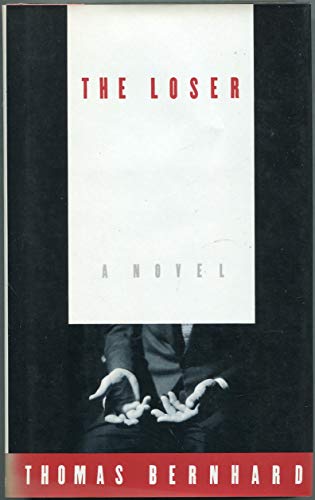
Bernhard’s relentless, repetitive, and obsessive narrative voice mirrors the internal monologue of Sokolov’s protagonist. It is a bleak, philosophical meditation on failure and genius that captures a similar sense of isolation and mental intensity.

Prefer to listen?
Try Audible and hear the story instead of reading it.
As an Amazon Associate, we earn from qualifying purchases.
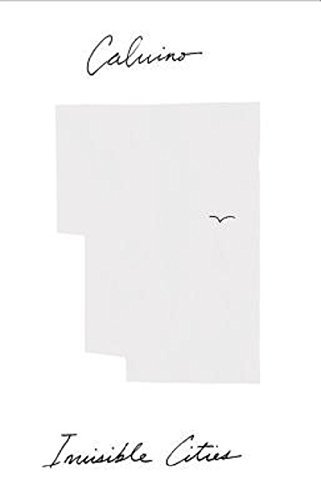
While structurally different, this book shares the poetic, dreamlike, and non-linear exploration of memory and space that defines A School for Fools. Readers who loved the lyrical, almost abstract descriptions of the dacha and the river in Sokolov’s work will find a similar beauty here.

The quintessential text of the alienated, unreliable narrator, Dostoevsky's novella sets the stage for the kind of psychological introspection found in Sokolov's writing. The narrator's deep disconnect from society and his own internal contradictions are direct ancestors to the boy in A School for Fools.

by Amos Tutuola
This book features a surreal, quest-like narrative that ignores conventional logic and time, much like the dream-logic of Sokolov's protagonist. It offers a similar sense of wonder and disorientation, where the boundaries between reality and imagination are completely fluid.

by Knut Hamsun
Hamsun’s exploration of a starving, hallucinating artist wandering through a city is a masterclass in psychological realism and unreliable narration. The intense focus on the subjective experience of the world mirrors the way Sokolov's protagonist perceives his own reality.

Combining dark humor with surreal, existential terror, this novel creates a world where logic is inverted and time is fluid. Readers who enjoyed the bizarre, circular, and highly imaginative nature of Sokolov's prose will find this equally baffling and brilliant.

This is perhaps the ultimate example of the unreliable narrator, using a poem and commentary structure to create a layered, complex, and deeply rewarding puzzle. It demands the same level of close, attentive reading as A School for Fools and shares an obsession with the nature of memory.

Love to read on the go?
Explore Kindle e-readers and take your books with you.
As an Amazon Associate, we earn from qualifying purchases.
As an Amazon Associate, we earn from qualifying purchases.