

Based on your book
A Short History of Nearly Everything 2.0
by Bryson, Bill
Bill Bryson has a knack for making you feel like the smartest person in the room without ever making you feel like a student in a lecture hall. This updated version of his encyclopedic romp through time and space tackles the big questions—how we got here, why the universe is the way it is, and the strange accidents of biology that allow us to exist at all. It is less a dry textbook and more a series of conversations with a brilliant, slightly cynical friend who has spent way too much time reading scientific journals. The pacing is snappy, moving from geology to particle physics with ease, and the tone is consistently self-deprecating. You should pick this up if you enjoy trivia that actually sticks, have a healthy curiosity about the natural world, or simply want a book that treats science as a human drama rather than a chore.
10 Books similar to 'A Short History of Nearly Everything 2.0'
If the curious, conversational tone of Bryson's writing kept you turning pages, you will appreciate how these titles mirror that same blend of intellectual inquiry and personality-driven storytelling. We selected these books because they share his talent for finding the human pulse inside complex scientific and historical subjects. Whether it is Mary Roach exploring the bizarre realities of space or Sam Kean uncovering the drama behind the periodic table, these authors prioritize accessibility and wit. They turn dry facts into narrative, proving that the most fascinating stories are often the ones hiding in plain sight within our own history.
As an Amazon Associate, we earn from qualifying purchases.

Much like Bryson's work, this book takes an incredibly complex and vast subject—human history—and distills it into an engaging, narrative-driven account. It challenges conventional wisdom with wit and intellectual rigor, making the history of our species feel like a grand, unfolding story.

by Sam Kean
This book brings science to life through the colorful, often bizarre stories behind the periodic table, mirroring Bryson’s talent for finding the human drama within scientific discovery. It is informative, quirky, and deeply entertaining for anyone who loves learning how the world works.

by Carl Sagan
Sagan shares Bryson's gift for making the vastness of the universe accessible and awe-inspiring to the layperson. It is a beautifully written, philosophical exploration of science and our place in the cosmos that resonates with the same sense of wonder found in Bryson's writing.

by Mary Roach
Mary Roach writes with the same irreverent, humorous, and deeply curious voice as Bill Bryson. She investigates the strange, often gross, and fascinating reality of space travel, turning scientific research into a hilarious and educational adventure.

Prefer to listen?
Try Audible and hear the story instead of reading it.
As an Amazon Associate, we earn from qualifying purchases.

Readers who enjoyed the 'big picture' scope of Bryson's history of everything will appreciate Diamond's attempt to explain the broad patterns of human development. It provides a comprehensive, analytical look at how geography and biology shaped the modern world.

This book masterfully weaves together scientific history, medical ethics, and a deeply personal human story. Like Bryson, Skloot excels at taking a complex scientific topic and grounding it in a narrative that is both informative and emotionally resonant.
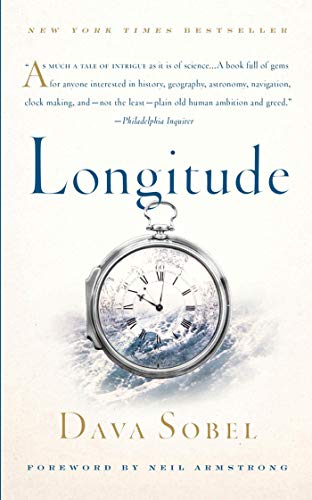
by Dava Sobel
This concise, gripping narrative focuses on a single scientific breakthrough, much like the specific historical deep dives found within Bryson's larger chapters. It is a perfect example of how scientific history can be told with the pacing and tension of a thriller.

Kolbert provides a sobering but essential look at the history of life on Earth and the current environmental crisis, written with the same observational clarity that Bryson employs. It is a compelling, fact-filled journey that connects the past to our uncertain future.

by Bill Bryson
If you loved Bryson's voice in his history book, you will enjoy his quintessential travelogue where he applies that same dry wit and observational humor to his own misadventures. It captures his unique ability to turn personal experience into a commentary on nature and history.

This fascinating historical account reads like a detective story, tracing how the rediscovery of an ancient poem changed the course of human history. It shares Bryson's passion for intellectual history and his ability to make scholarly topics feel accessible and urgent.

Love to read on the go?
Explore Kindle e-readers and take your books with you.
As an Amazon Associate, we earn from qualifying purchases.
As an Amazon Associate, we earn from qualifying purchases.