

Based on your book
A short history of nearly everything
by Bill Bryson
Bill Bryson's "A Short History of Nearly Everything" isn't just a book; it's a grand, whirlwind tour through the entire cosmos and back. Imagine trying to explain everything from the Big Bang to the human brain, the dinosaurs to the discovery of DNA, without ever feeling overwhelmed – that's the magic here. Bryson takes on the monumental task of making sense of how we got from literally nothing to "us," and he does it with boundless curiosity and his signature dry wit. The reading experience feels like you're on an intellectual adventure with the most charming, knowledgeable, and genuinely funny guide. You'll constantly find yourself pausing to share an astonishing fact or a quirky anecdote. This book is for anyone who loves learning, who's curious about the universe, and who enjoys their science and history delivered with an infectious sense of wonder and plenty of laugh-out-loud moments. It makes the vastness of knowledge feel approachable and incredibly entertaining.
10 Books similar to 'A short history of nearly everything'
If you were captivated by Bill Bryson's talent for making the incomprehensibly vast both understandable and genuinely entertaining, our recommendations share that same spirit of intellectual adventure. These books excel at taking on monumental subjects – from the sweep of human history to the mysteries of the cosmos or the hidden lives of everyday things – and distilling them into compelling narratives. Like Bryson, these authors offer a behind-the-scenes look at how the world works, blending rigorous research with engaging storytelling and often a distinctive voice. You'll find similar quests for knowledge, historical deep dives, and authors who make complex topics feel approachable and incredibly rewarding.
As an Amazon Associate, we earn from qualifying purchases.

Harari, much like Bryson, tackles an immense subject with clarity and wit, offering a sweeping narrative of human history from a unique perspective. Readers who enjoyed Bryson's ability to synthesize vast amounts of information into an engaging story will find Sapiens equally captivating and intellectually stimulating, exploring the big questions of our existence.

by Carl Sagan
Sagan shares Bryson's gift for making complex scientific concepts understandable and awe-inspiring, exploring the history of the universe and our place within it. His lyrical prose and deep curiosity will resonate with readers who appreciate Bryson's blend of science, history, and wonder, making the vastness of space feel intimately comprehensible.

Diamond, like Bryson, takes on a monumental task: explaining the vast sweep of human history and its underlying causes through an accessible narrative. Readers who enjoyed Bryson's ability to connect disparate facts into a grand, coherent story will find Diamond's exploration of societal development equally compelling and insightful.

Kurlansky, much like Bryson, has a knack for taking a seemingly mundane subject and revealing its profound historical and cultural significance through engaging storytelling. Readers who appreciate Bryson's ability to weave fascinating anecdotes and broad historical context around a central theme will be captivated by Salt's journey through time.

Not sure what they've already read?
Let them pick their next favorite with an Amazon Gift Card.
As an Amazon Associate, we earn from qualifying purchases.

Kolbert, while more serious in tone than Bryson, shares his ability to synthesize vast scientific and historical information into a compelling narrative about our planet. Fans who appreciate Bryson's exploration of natural history and the forces shaping the Earth will find Kolbert's urgent examination of current environmental challenges equally enlightening and thought-provoking.

by Mary Roach
Mary Roach shares Bill Bryson's unique blend of meticulous research, accessible explanations, and irreverent humor when tackling unusual scientific and historical topics. Readers who enjoy Bryson's ability to make complex or even macabre subjects utterly fascinating and entertaining will love Roach's exploration of human cadavers.
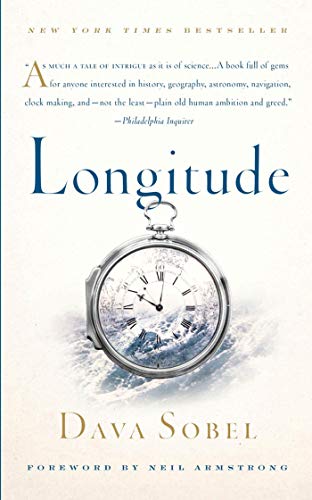
by Dava Sobel
Sobel, like Bryson, excels at transforming a specific historical and scientific challenge into a gripping narrative, highlighting the human stories behind monumental discoveries. Fans of Bryson's ability to make complex historical problems understandable and compelling will be drawn to this tale of scientific perseverance and ingenuity.
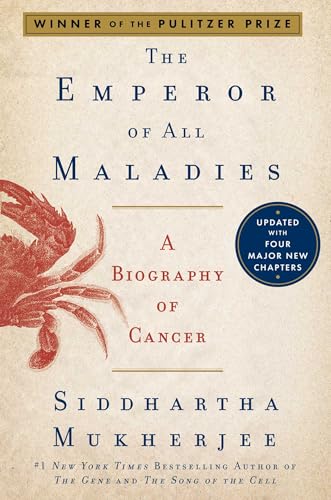
Mukherjee, similar to Bryson, takes a massive, complex subject and distills it into an accessible, narrative-driven history, blending scientific explanation with compelling human stories. Readers who appreciate Bryson's ability to make vast historical and scientific topics engaging and deeply informative will find this biography of cancer profoundly impactful.

by Ben Goldacre
Goldacre shares Bryson's sharp wit and commitment to making complex information accessible, but with a focus on exposing scientific misinformation and bad data. Fans of Bryson's engaging, often humorous, approach to explaining the world will appreciate Goldacre's similar style in tackling important scientific literacy issues.

by Carl Sagan
While more focused on critical thinking, Sagan's approach to explaining scientific principles and the importance of evidence echoes Bryson's commitment to clarity and understanding. Readers who enjoyed Bryson's accessible explanations of how the world works will appreciate Sagan's passionate defense of scientific inquiry and rational thought.

Prefer to listen?
Try Audible and hear the story instead of reading it.
As an Amazon Associate, we earn from qualifying purchases.
As an Amazon Associate, we earn from qualifying purchases.