

Based on your book
A Skeleton Key to Finnegans Wake
by Campbell, Joseph
Finnegans Wake is famously impenetrable, a linguistic labyrinth that stops most readers in their tracks. Joseph Campbell and Henry Morton Robinson essentially act as your patient, hyper-literate guides through the fog. This book does not just summarize the narrative; it maps the dream-logic, puns, and mythological layers that make Joyce's final work so notoriously dense. Reading it feels like sitting in a quiet, lamp-lit study with a mentor who has spent decades untangling the impossible. You will find yourself toggling constantly between the original text and this guide, a slow, methodical process that demands total intellectual presence. This is not for the casual reader looking for a quick story. It is a companion for those who find joy in the act of deciphering, who want to understand how a masterpiece is built from the ground up, and who view literature as a puzzle worth solving.
10 Books similar to 'A Skeleton Key to Finnegans Wake'
Since you appreciate the intellectual rigor required to unlock complex texts, these recommendations bridge the gap between modernist experimentation and deep-seated mythological analysis. We have curated these titles because they share that same DNA of structural playfulness and encyclopedic obsession. Whether it is the meta-fictional games in Pale Fire or the foundational myth-building found in The Golden Bough, these books reward the same kind of patient, contemplative attention. If you are hungry for more literature that forces you to engage as an active participant rather than a passive observer, this collection will keep your curiosity satisfied.
As an Amazon Associate, we earn from qualifying purchases.

by James Joyce
As the foundational text that necessitated the creation of the Skeleton Key, Ulysses is the essential next step for readers fascinated by Joyce's stream-of-consciousness technique and encyclopedic references. It shares the same dense, experimental linguistic landscape and deep engagement with classical mythology as Finnegans Wake, but in a more grounded, Dublin-centric setting.

This seminal work by the co-author of the Skeleton Key provides the theoretical framework for the mythological patterns Campbell identified in Joyce's work. It is perfect for readers who enjoy Campbell's analytical approach to decoding universal archetypes and narrative structures across world literature.

by T.S. Eliot
Eliot's masterpiece of high modernism shares the same fragmented, allusive, and polyphonic structure that makes Joyce's work so challenging and rewarding. Readers who appreciate the puzzle-solving nature of the Skeleton Key will find similar pleasure in untangling Eliot's dense web of cultural, historical, and literary citations.

This novel is a brilliant, satirical meta-fictional puzzle that, much like the Skeleton Key, is entirely built around the act of commentary and interpretation. It features a poem followed by a deeply unreliable and obsessive critical analysis, mirroring the scholarly rigor and madness found in Joyce's exegesis.

Love to read on the go?
Explore Kindle e-readers and take your books with you.
As an Amazon Associate, we earn from qualifying purchases.

Structured as a lexicon rather than a traditional narrative, this book invites the reader to navigate its contents non-linearly, much like the dream-logic of Finnegans Wake. It is an ideal choice for fans who enjoy literature that challenges the conventional boundaries of storytelling and demands active participation from the reader.
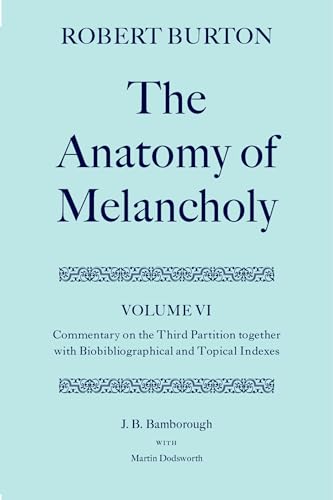
A massive, digressive, and scholarly tome that influenced many modernists, including Joyce, this book is a treasure trove of classical learning and psychological observation. It shares the encyclopedic, sprawling nature of the Skeleton Key's subject matter, appealing to readers who love deep dives into human thought and history.

This experimental novel famously offers the reader two different ways to read the chapters, mirroring the non-linear and recursive nature of Joyce's work. It captures the same spirit of intellectual playfulness and linguistic experimentation that draws readers to the complex world of Finnegans Wake.

O'Brien was a contemporary of Joyce and a master of the absurd, and this novel features a surreal, dream-like logic that feels like a narrative cousin to Finnegans Wake. Fans of Joyce's linguistic wit and dark, convoluted humor will find this book both accessible and deeply satisfying.
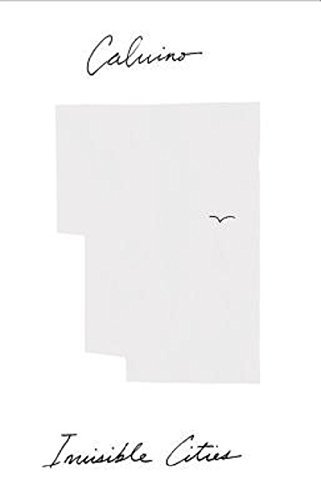
Calvino's poetic, meditative exploration of imaginary cities functions as a series of philosophical prose poems that require close, contemplative reading. It appeals to the same intellectual curiosity and appreciation for structural complexity that drives readers of the Skeleton Key.

This monumental study of comparative religion and mythology was a primary source for both Joseph Campbell and James Joyce. Reading it provides the same foundational knowledge that the Skeleton Key attempts to synthesize, making it an essential companion for understanding the mythological underpinnings of high modernist literature.

Not sure what they've already read?
Let them pick their next favorite with an Amazon Gift Card.
As an Amazon Associate, we earn from qualifying purchases.
As an Amazon Associate, we earn from qualifying purchases.