
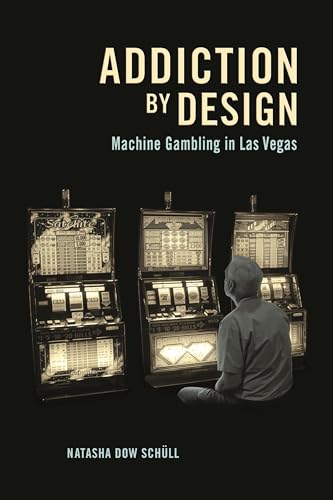
Based on your book
Addiction by Design
by Natasha Dow Schüll
Natasha Dow Schüll's "Addiction by Design" is an intensely analytical look at how the gambling industry, specifically slot machines, engineers compulsive behavior. She takes you behind the curtain, revealing the meticulous design choices—from machine ergonomics to casino layouts—that are calibrated to keep players in a trance-like "machine zone." It's a disturbing, thought-provoking journey into the mechanics of modern addiction, showing how human vulnerabilities are systematically exploited for profit. The reading experience is like peeling back layers, uncovering the calculated precision of these systems, which feels both chilling and deeply informative. This book is for readers who appreciate sharp social commentary, enjoy a deep dive into psychological mechanisms, and aren't afraid to confront the unsettling power dynamics at play in our designed environments. It will make you look at your phone, your apps, and even your grocery store with new eyes.
10 Books similar to 'Addiction by Design'
If Natasha Dow Schüll's deep dive into the engineering of addiction resonated with you, you're likely drawn to books that expose the hidden power dynamics shaping our lives. Our curated recommendations continue this exploration of how systems—be they technological, economic, or social—are designed to influence human behavior and often exploit our vulnerabilities. You'll find more behind-the-scenes looks at how industries profit from our attention and impulses, alongside incisive social commentary and psychological analysis that reveal the moral ambiguities of our digitally driven world. These are books that will challenge your assumptions and deepen your understanding of contemporary life.
As an Amazon Associate, we earn from qualifying purchases.

Carr's exploration of how digital technologies reshape our cognitive processes and attention spans offers a compelling parallel to Schüll's analysis of how slot machines are designed to capture and hold user engagement. Both books delve into the psychological and societal impacts of designed environments on human behavior.

by Neil Postman
Postman's classic critique of how media shapes culture and cognition resonates with Schüll's examination of how design dictates behavior. Both authors offer a sharp, analytical look at how systems (television, gambling machines) are engineered to influence human thought and action, often to detrimental effect.

While focusing on housing, Desmond's investigative work shares 'Addiction by Design's' deep dive into how systemic structures exploit human vulnerabilities for profit. Readers will appreciate the rigorous research, the focus on power dynamics, and the unflinching look at the human cost of engineered systems.

by Mark Fisher
Fisher's incisive analysis of how capitalism pervades all aspects of modern life, including our mental states, mirrors Schüll's critique of the gambling industry as a microcosm of capitalist exploitation. Both books share a bleak yet intellectually stimulating tone, dissecting the pervasive influence of economic systems.

Not sure what they've already read?
Let them pick their next favorite with an Amazon Gift Card.
As an Amazon Associate, we earn from qualifying purchases.

Zuboff's monumental work directly parallels Schüll's themes by exposing how digital platforms are designed to extract and exploit human experience for profit, much like the gambling industry extracts money. Both books offer a disturbing and meticulously researched account of technological and capitalist control.
Wylie's insider account of data manipulation and psychological warfare in political campaigns offers a chilling real-world example of the design principles Schüll critiques. It provides a behind-the-scenes look at how vulnerabilities are exploited through sophisticated design and data, echoing the themes of control and exploitation.

Ehrenreich's immersive journalism exposes the systemic challenges faced by low-wage workers, revealing how economic structures are designed to keep people in precarious situations. This book shares 'Addiction by Design's' commitment to revealing the human cost of exploitative systems and power imbalances.

by Anna Lembke
Lembke, a psychiatrist, directly addresses the neuroscience and psychology of addiction in a world designed for constant indulgence, making this a perfect companion to Schüll's work. It explores how modern society's pursuit of pleasure can lead to addictive loops, offering both scientific insight and personal reflection.

Duhigg's exploration of the science behind habit formation provides a foundational understanding for many of the mechanisms Schüll describes in 'Addiction by Design.' It delves into how habits are created, how they influence behavior, and how they can be manipulated, offering a broader context for understanding designed compulsions.

by Adam Alter
Alter directly examines how modern technologies, from smartphones to social media, are intentionally designed to be addictive, drawing a clear line to Schüll's analysis of slot machines. This book offers a contemporary and accessible look at the psychological hooks and business models that exploit human vulnerabilities.

Prefer to listen?
Try Audible and hear the story instead of reading it.
As an Amazon Associate, we earn from qualifying purchases.
As an Amazon Associate, we earn from qualifying purchases.