

Based on your book
ADHD
by Jamie 'Mr G' Gilbert
Jamie Gilbert, widely known as Mr G, moves past the clinical checkboxes of ADHD to explore the internal landscape of living with a neurodivergent mind. This book functions as both a mirror and a manual, blending personal reflection with a sharp, analytical look at how ADHD shapes self-perception and social behavior. You will not find dry medical jargon here; instead, the prose feels like a candid, late-night conversation with someone who understands exactly why your brain works the way it does. The pacing is reflective and deliberate, inviting you to pause and re-examine your own history through a lens of compassion rather than judgment. It is an ideal pick for readers who are tired of feeling like a broken version of a neurotypical person and are ready to start building a life that actually fits their unique cognitive wiring.
10 Books similar to 'ADHD'
Since Gilbert’s work prioritizes self-acceptance and practical reframing, we have selected titles that bridge the gap between clinical science and lived experience. If you found solace in the way Mr G dismantles the shame of neurodivergence, these books offer similar pathways toward self-advocacy. We curated this list to balance the emotional weight of overcoming adversity with concrete strategies for managing daily executive function. Whether you need a compassionate voice to navigate relationship hurdles or a systematic approach to organizing your physical space, these recommendations treat your brain as a unique system to be managed, not a defect to be fixed.
As an Amazon Associate, we earn from qualifying purchases.

by Edward M. Hallowell and John J. Ratey
This foundational text offers a deep dive into the ADHD brain that mirrors the informative yet accessible tone of Gilbert's work. It provides essential validation and practical strategies, making it a perfect follow-up for readers seeking to understand the 'why' behind their experiences.

by Richard Pink and Roxanne Emery
Like Gilbert, the authors use humor and brutal honesty to dismantle the shame often associated with ADHD. It captures the chaotic, relatable, and often funny reality of navigating daily life with a neurodivergent brain.
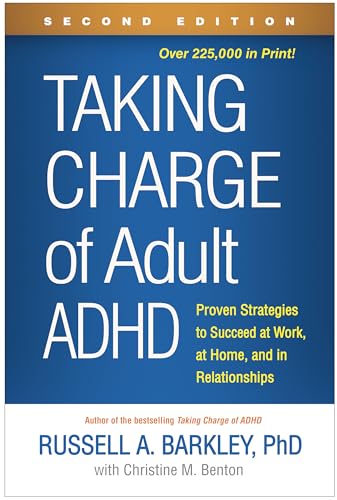
For readers who appreciated the practical, no-nonsense advice in Gilbert's book, this is the gold standard for clinical yet understandable guidance. It helps structure the chaotic ADHD experience into manageable, actionable steps.

McCabe's book shares the same conversational, 'I've been there' energy that makes Gilbert's writing so engaging. It focuses on reframing ADHD as a different way of being rather than just a deficit, fostering a sense of community and understanding.

Not sure what they've already read?
Let them pick their next favorite with an Amazon Gift Card.
As an Amazon Associate, we earn from qualifying purchases.

While more focused on relationships, this book addresses the specific communication hurdles often highlighted in Gilbert's anecdotes about social interactions. It provides a compassionate look at how ADHD impacts those around us, similar to the personal reflections found in Gilbert's memoir.

by Sari Solden and Michelle Frank
This book resonates with the same desire for self-acceptance and breaking down societal stigma that drives Gilbert's narrative. It is deeply validating for those who have spent years feeling like they don't fit the standard mold.

by Jaclyn Paul
Readers who enjoyed the practical, 'how-to-survive' aspect of Gilbert's writing will appreciate this guide, which tackles the executive function struggles of ADHD with empathy. It balances the emotional toll of the condition with concrete, life-changing organizational strategies.

Rosier adopts a compassionate and witty voice that mirrors the style of 'Mr G,' making complex neurological concepts easy to digest. It focuses on the emotional landscape of ADHD, helping readers move from shame to self-advocacy.

by Susan Pinsky
For those who loved the relatable, real-world problem-solving in Gilbert's work, this book acts as a practical companion. It addresses the 'messy' side of ADHD life with a non-judgmental, encouraging tone.
by Edward M. Hallowell and John J. Ratey
This update to their classic work aligns with the modern, strengths-based perspective Gilbert advocates for in his own writing. It shifts the narrative from what is 'wrong' with the ADHD brain to how to harness its unique potential.

Prefer to listen?
Try Audible and hear the story instead of reading it.
As an Amazon Associate, we earn from qualifying purchases.
As an Amazon Associate, we earn from qualifying purchases.