

Based on your book
Adventures of Huckleberry Finn
by Twain, Mark
Huck Finn is a restless spirit trying to outrun the expectations of a society he finds suffocating. When he escapes his abusive father by faking his own death and teaming up with Jim, an enslaved man seeking his own freedom, the Mississippi River becomes their only reliable companion. The narrative is defined by Huck’s singular, unvarnished voice; he is a boy who is constantly wrestling with the moral indoctrination he received at home versus the profound, quiet decency he discovers in the world. It is a slow-burn journey that balances slapstick humor with deeply uncomfortable truths about the American character. If you enjoy literature that challenges you to think critically about the difference between being law-abiding and being a good person, this book will leave you questioning everything you thought you knew about loyalty and conscience.
10 Books similar to 'Adventures of Huckleberry Finn'
When you finish Huck Finn, you are likely looking for stories that capture that same friction between an individual's moral compass and a flawed society. We selected these titles because they share that distinct blend of regional authenticity and biting social commentary. Whether you are drawn to the gritty, road-trip atmosphere of True Grit, the poignant loss of innocence found in To Kill a Mockingbird, or the psychological depth of Invisible Man, these books explore how we define our own identities when the world around us is fundamentally unjust.
As an Amazon Associate, we earn from qualifying purchases.

Like Huck Finn, Holden Caulfield is an iconic teenage outsider who rejects the hypocrisy of the adult world. Both novels utilize a distinct, conversational first-person narrative voice to explore themes of alienation and moral integrity.
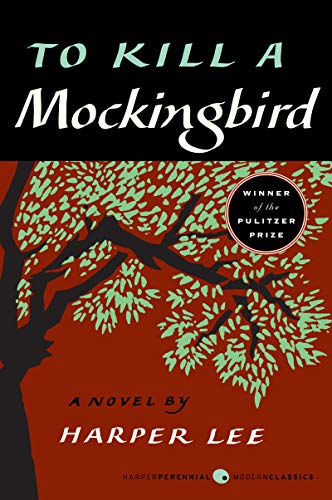
by Harper Lee
This novel shares the Southern setting and the innocent perspective of a young protagonist grappling with the harsh realities of racism and social injustice. It captures a similar sense of moral awakening and the loss of childhood innocence.

by Mark Twain
As the direct predecessor to Huck Finn, this book provides the essential context for Twain's world and characters. It offers a lighter, more nostalgic look at boyhood adventures along the Mississippi River before the deeper moral complexities of the sequel.

Dickens and Twain share a masterful ability to use satire to critique social class and human folly. Pip’s journey from a humble background to adulthood mirrors Huck's own development, filled with colorful characters and moral lessons.

Prefer to listen?
Try Audible and hear the story instead of reading it.
As an Amazon Associate, we earn from qualifying purchases.

Featuring a sharp-witted young protagonist on a perilous journey, this novel mirrors the adventurous spirit and distinct regional voice found in Twain's work. It balances dark, gritty themes with a dry, humorous narrative style.

This powerful novel echoes Twain's exploration of race and identity in America, though through a more surreal and psychological lens. It is an essential companion for readers interested in the profound social critiques embedded in the American experience.

For readers who appreciate Twain's mastery of satire and regional dialect, this picaresque novel is a perfect match. It features a larger-than-life protagonist who clashes with the world around him, offering a hilarious yet biting critique of society.

This novel explores the internal moral development of a young man thrust into a chaotic and violent environment, much like Huck's exposure to the violence of his society. It is a classic study of fear, bravery, and the transition into adulthood.

Steinbeck captures the lives of societal outcasts with the same empathy and observational humor that Twain applied to the characters along the Mississippi. The episodic structure and focus on a ragtag group of friends create a similar 'found family' atmosphere.

by Mark Twain
For those who loved the setting of Huck Finn, this non-fiction memoir provides the real-life inspiration and historical background of the river. It showcases Twain's wit and descriptive power while detailing the fascinating, dangerous world of steamboat piloting.

Love to read on the go?
Explore Kindle e-readers and take your books with you.
As an Amazon Associate, we earn from qualifying purchases.
As an Amazon Associate, we earn from qualifying purchases.