

Based on your book
After the Spike
by Spears, Dean
After the Spike is a cold, hard look at how societies crumble and struggle to reform in the wake of catastrophic disruption. Dean Spears avoids easy answers, instead pulling the reader into a bleak, high-stakes environment where survival often pits basic human needs against systemic failure. The prose is lean and demanding, reflecting the harsh reality of a world pushed to its breaking point. You will feel the weight of moral ambiguity on every page; there are no clear heroes here, only people trying to navigate a landscape defined by scarcity and broken institutions. This is not a book for those seeking comfort or escapism. It is written for the reader who wants to stare directly into the mess of human collapse, someone who prefers intellectual rigor and gritty, grounded storytelling over polished, optimistic narratives.
10 Books similar to 'After the Spike'
Since you appreciated the stark, data-driven look at societal fragility in After the Spike, these selections were curated to bridge the gap between academic economic theory and the visceral reality of human suffering. If you found the systemic failures in Spears' work compelling, these books offer a broader investigation into the traps of inequality and poverty. They explore the same themes of public health crises and the structural barriers to recovery, providing the necessary context for anyone interested in why societies succeed or fail when pushed to the brink.
As an Amazon Associate, we earn from qualifying purchases.

by Paul Collier
Like Spears' work, this book offers a rigorous economic analysis of why certain countries fail to develop, focusing on the traps that keep populations in poverty. Readers who appreciated the policy-focused, data-driven approach of 'After the Spike' will find this equally insightful and intellectually stimulating.

by Abhijit V. Banerjee and Esther Duflo
This book provides a ground-level look at poverty through the lens of randomized control trials, mirroring the evidence-based methodology Dean Spears champions. It challenges conventional wisdom regarding global development, much like 'After the Spike' challenges assumptions about pandemic recovery.

by Hans Rosling
Rosling's work shares the same commitment to data accuracy and dispelling common myths about global progress and health that defines Spears' writing. It is an essential read for anyone who enjoys dissecting complex global trends through a lens of rational optimism.

by Angus Deaton
Deaton explores the history of health and wealth inequality, providing the broader historical context that informs the specific pandemic-era problems discussed in 'After the Spike.' It is a deeply researched examination of how societies improve and where they stumble.

Love to read on the go?
Explore Kindle e-readers and take your books with you.
As an Amazon Associate, we earn from qualifying purchases.

Stiglitz provides a searing critique of how economic policies exacerbate inequality, a theme that resonates strongly with the systemic failures highlighted in Spears' analysis of pandemic outcomes. It is a dense, policy-heavy text that will satisfy readers looking for a deeper structural critique.

This book examines the decline in health and life expectancy among specific demographics, offering a parallel to Spears' interest in how public health systems fail vulnerable populations. It combines rigorous statistical analysis with a human-centric focus on the consequences of policy failures.

by Amartya Sen
Sen's seminal work argues that development is not just about GDP, but about the expansion of human freedoms—a philosophical framework that underpins the development economics discussed in 'After the Spike.' It is a foundational text for understanding the human cost of economic policy.

Sachs presents a bold, actionable plan for ending extreme poverty, echoing the urgency and solution-oriented mindset found in Spears' proposals. Readers interested in the 'how-to' of global development policy will find this a fascinating, if ambitious, counterpoint to more cautious analyses.
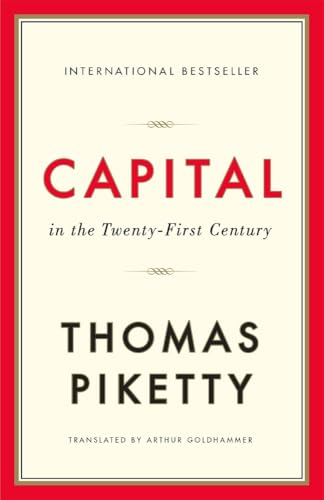
Piketty’s massive study on wealth inequality provides the long-term economic data necessary to understand the structural issues that made the world so vulnerable during the COVID-19 pandemic. It matches the depth and intellectual rigor of Spears' economic arguments.

by Richard Wilkinson and Kate Pickett
This book demonstrates how more equal societies almost always do better than unequal ones, providing crucial evidence that supports the arguments made in 'After the Spike' regarding public health and societal stability. It is essential reading for understanding the social determinants of health.

Not sure what they've already read?
Let them pick their next favorite with an Amazon Gift Card.
As an Amazon Associate, we earn from qualifying purchases.
As an Amazon Associate, we earn from qualifying purchases.