

Based on your book
Agape
by Outka, Gene
Gene Outka’s Agape is a sustained, rigorous examination of what it actually means to love our neighbor. Rather than offering sentimental platitudes, Outka dismantles the concept of agape to see how it functions as a normative principle in moral philosophy. The reading experience is intense and decidedly intellectual; you are essentially sitting in on a complex debate about the boundaries of human duty and the nature of selfless devotion. It is a slow, methodical climb, perfect for readers who enjoy parsing dense ethical arguments and are willing to wrestle with the tension between theological ideals and the gritty reality of social responsibility. If you find yourself preoccupied with the existential weight of our obligations to one another and want to see how love holds up under serious philosophical scrutiny, this book provides the framework you have been looking for.
10 Books similar to 'Agape'
Since you appreciated the way Outka navigates the intersection of faith and moral duty, these selections serve as an extension of that analytical rigor. We have curated works from thinkers like Kierkegaard, Nussbaum, and Niebuhr because they share your interest in the friction between abstract love and concrete social ethics. Whether you are exploring the existentialist roots of responsibility or the practical application of sacrificial grace, these authors provide the necessary context to deepen your understanding of how agape shapes both the human condition and our political landscape.
As an Amazon Associate, we earn from qualifying purchases.

by C.S. Lewis
Like Outka's work, this classic explores the nature of love, distinguishing between different types such as affection, friendship, eros, and charity (agape). It provides a deeply philosophical yet accessible framework that resonates with readers interested in the theological and ethical dimensions of human connection.

Written by the future Pope John Paul II, this text offers a rigorous philosophical analysis of love and sexual ethics. It shares Outka's commitment to dissecting the moral obligations inherent in interpersonal relationships through a structured, academic lens.

While approaching the subject from an existentialist rather than a theological perspective, this book mirrors Outka's focus on the ethical responsibilities we owe to others. Readers who appreciate Outka's systematic breakdown of moral duties will find this a challenging and rewarding companion text.

This foundational text is essential for anyone diving deep into the concept of agape, as it explores the Christian command to love one's neighbor. Its dense, meditative style provides the historical and spiritual bedrock upon which much of Outka's ethical analysis is built.

Love to read on the go?
Explore Kindle e-readers and take your books with you.
As an Amazon Associate, we earn from qualifying purchases.

Nussbaum examines the tension between human vulnerability and ethical perfection, a theme that frequently intersects with Outka's discussion of agape's demands. It is a masterclass in moral philosophy that will appeal to those who enjoy Outka's rigorous and nuanced argumentation.

by Paul Ramsey
Ramsey was a contemporary of Outka and a fellow giant in the field of Christian social ethics, often engaging in similar debates about love and justice. Fans of Outka's specific academic style and focus on normative ethics will find Ramsey's work to be a natural and vital extension.

This collection of essays bridges the gap between literature and moral philosophy, exploring how love shapes our understanding of the good life. It complements Outka's work by demonstrating how the abstract concept of agape manifests in the complexities of human narrative and lived experience.
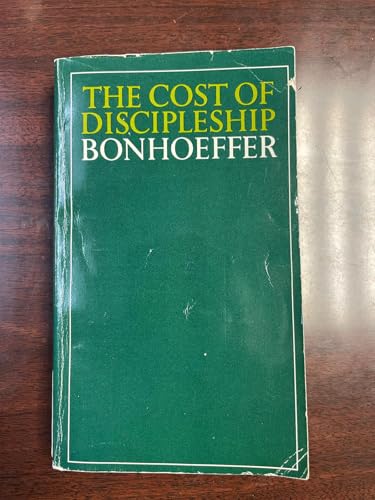
Bonhoeffer's exploration of 'cheap' versus 'costly' grace provides a powerful, practical application of the sacrificial love that Outka analyzes theoretically. Readers seeking to understand the radical, demanding nature of agape in action will find this book deeply compelling.

This unfinished masterpiece offers a profound look at how the love of God is expressed through responsibility for the world. It aligns perfectly with Outka's project, moving from the definition of love to the concrete ethical obligations that define the human condition.

Niebuhr is a critical voice in the conversation about how agape interacts with the realities of political and social justice. Those who appreciate Outka's careful navigation of the relationship between love and justice will find Niebuhr's insights indispensable and historically significant.

Not sure what they've already read?
Let them pick their next favorite with an Amazon Gift Card.
As an Amazon Associate, we earn from qualifying purchases.
As an Amazon Associate, we earn from qualifying purchases.