
Based on your book
Agriculture in a Turbulent World Economy
by Allen Maunder
Agriculture in a Turbulent World Economy isn't a light read, but it's deeply rewarding for those who want to truly understand the forces shaping our global food systems. This book offers a comprehensive, analytical look at the complex interplay of economics, policy, and human decisions that define agriculture's past and present. It dives into the power dynamics at play, examining how different actors influence the rise and fall of agricultural practices and economies, often highlighting the challenges and adversities faced by producers and consumers alike. The reading experience is intellectually rigorous, pulling back the curtain on the often-unseen mechanisms that drive our food supply. It’s a realistic, unsentimental exploration, offering a nuanced social commentary rather than easy answers. This is for the reader who enjoys a dense, informative deep dive into historical and contemporary issues, appreciating a book that requires thought and offers a robust, challenging perspective on one of humanity's most fundamental industries.
10 Books similar to 'Agriculture in a Turbulent World Economy'
If the clear-eyed analysis of Agriculture in a Turbulent World Economy resonated with your intellectual curiosity, you'll find much to appreciate in these selections. We picked them for their shared commitment to dissecting the intricate power dynamics and historical forces that govern our food systems and natural resources. Each book offers a deep, often critical, look at the economic and environmental challenges agriculture faces, exploring how societies have grappled with resource scarcity, policy impacts, and the profound social commentary embedded in how we produce and consume food. They all share that same informative, analytical spirit, digging into the realistic complexities of a world constantly shaped by what we grow.
As an Amazon Associate, we earn from qualifying purchases.
This book delves into the complex economic and ecological systems behind modern food production, much like Maunder and Renborg's work examines agricultural economics. Readers will appreciate its investigative style and critical analysis of the forces shaping our food supply, from policy to market demands.
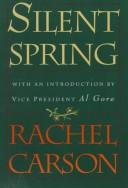
A foundational text that exposed the environmental consequences of agricultural practices, this book shares the original's focus on the broader impacts of agriculture on society and policy. It offers a critical perspective on the 'turbulent' aspects of human interaction with the natural world through the lens of farming.
Diamond's Pulitzer-winning work explores how geographical and environmental factors, including the development of agriculture, shaped human civilizations and their economic trajectories. Fans of 'Agriculture in a Turbulent World Economy' will appreciate the broad historical and analytical perspective on how fundamental resources drive societal development.
This book offers a compelling historical and scientific examination of soil degradation and its profound impact on societies and economies throughout history. It mirrors the original's analytical approach to agricultural challenges, highlighting the long-term consequences of resource mismanagement in a 'turbulent world'.

Love to read on the go?
Explore Kindle e-readers and take your books with you.
As an Amazon Associate, we earn from qualifying purchases.
Directly addressing global food security, resource scarcity, and the challenges of feeding a growing population, this book aligns closely with the economic and policy concerns of 'Agriculture in a Turbulent World Economy'. It provides an urgent and informative look at the future of food production and its inherent turbulence.
This investigative work uncovers the complex power dynamics and economic control within the global agricultural industry, resonating with the 'turbulent world economy' theme. It offers a critical, behind-the-scenes look at the corporate forces shaping agricultural policy and practices.
by Marc Reisner
Focusing on the critical resource of water in the American West, this book explores the political, economic, and environmental conflicts that arise from its allocation, particularly for agriculture. It provides a detailed case study of resource turbulence and policy challenges, echoing the themes of the original book.
Berry's seminal work offers a profound critique of industrial agriculture's impact on culture, community, and the environment, providing a philosophical yet grounded perspective on agricultural policy. It shares the original's deep engagement with the societal implications of how we farm and manage resources.
Building on historical and environmental analysis, Diamond investigates how societies have collapsed due to factors including unsustainable agricultural practices and resource mismanagement. This book provides a macro-level, analytical perspective on the 'turbulent' consequences of human interaction with the environment, relevant to agricultural economics.
Harari's sweeping history highlights the Agricultural Revolution as a pivotal moment that fundamentally reshaped human societies, economies, and our relationship with the environment. Readers interested in the foundational economic and social impacts of agriculture will find its analytical and broad scope highly engaging.

Not sure what they've already read?
Let them pick their next favorite with an Amazon Gift Card.
As an Amazon Associate, we earn from qualifying purchases.
As an Amazon Associate, we earn from qualifying purchases.