

Based on your book
Algorithms of Oppression
by Safiya Umoja Noble
Safiya Umoja Noble's Algorithms of Oppression pulls back the curtain on the seemingly neutral world of search engines and digital information. This isn't a dry academic text; it's a deeply unsettling exploration of how the very algorithms we rely on daily are not just reflecting societal biases, but actively amplifying them, particularly along racial lines. You'll find yourself looking at every search result and online interaction differently, recognizing the subtle (and sometimes not-so-subtle) ways power dynamics are encoded into our digital infrastructure. Reading it feels like a crucial, sometimes disturbing, education in how systemic prejudice operates in the 21st century. It's for anyone ready to grapple with the uncomfortable truth of how technology shapes our world, and who wants to understand the hidden mechanisms of digital injustice.
10 Books similar to 'Algorithms of Oppression'
If Safiya Umoja Noble's unflinching analysis of how digital systems perpetuate racial bias resonated with you, these books offer further critical perspectives. We've gathered titles that continue the vital social commentary on how power dynamics are baked into technology and broader society. You'll find deep dives into the moral dilemmas posed by opaque algorithms, revealing the 'behind the scenes' mechanics of digital oppression and offering robust cultural analysis of our tech-driven world. Each recommendation extends the conversation, exploring the systemic inequalities that Noble so powerfully exposes.
As an Amazon Associate, we earn from qualifying purchases.

Zuboff meticulously unpacks how tech giants harvest and commodify personal data, creating a new economic order that echoes Noble's critique of algorithmic power structures. Readers will appreciate the deep dive into the systemic exploitation underpinning our digital lives and its profound societal implications.

by Cathy O'Neil
O'Neil's groundbreaking work directly exposes how opaque algorithms, often built on biased data, perpetuate and exacerbate social inequalities in areas like employment, credit, and criminal justice. This book offers a compelling and accessible examination of the 'math' behind the 'oppression' that Noble critiques.
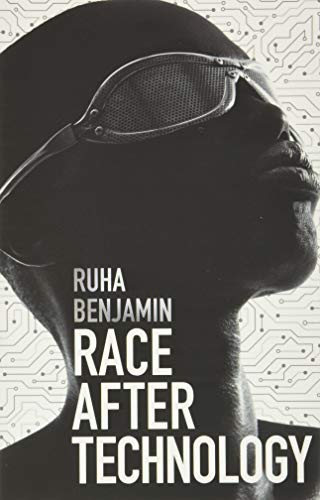
Benjamin's book is a direct companion to Noble's, exploring how technological innovations often reinforce rather than dismantle racial hierarchies and social injustice. It offers a critical framework for understanding the 'New Jim Code' embedded in design and deployment, providing essential context for digital justice.

Eubanks investigates the real-world impact of data mining, algorithms, and automated decision-making systems on poor and working-class communities. Like Noble, she reveals how these systems, often cloaked in claims of objectivity, strip away rights and perpetuate cycles of poverty and surveillance.

Prefer to listen?
Try Audible and hear the story instead of reading it.
As an Amazon Associate, we earn from qualifying purchases.

Browne offers a critical examination of surveillance practices and technologies, specifically focusing on their historical and contemporary impact on Black communities. This book provides a crucial historical and theoretical lens for understanding the racialized dimensions of digital oppression, aligning perfectly with Noble's work.

Broussard demystifies artificial intelligence, revealing that many AI systems are far less intelligent than commonly believed and often perpetuate human biases. Her work encourages a critical perspective on technology's limitations and the need for ethical design, resonating with Noble's call for accountability in tech.

Tufekci explores the complex relationship between social media, protest movements, and state surveillance, demonstrating how digital tools can both empower and constrain collective action. Readers will find a nuanced analysis of technology's role in political and social dynamics, similar to Noble's examination of power in the digital sphere.

While not directly about technology, Alexander's seminal work meticulously dissects the systemic racial oppression embedded in the American criminal justice system. It provides essential historical and sociological context for understanding the enduring structures of inequality that algorithms often amplify and perpetuate, making it a foundational read for fans of Noble.
by Safiya Umoja Noble and Brendesha M. Tynes (Editors)
Co-edited by Noble herself, this collection expands on the themes of 'Algorithms of Oppression' by bringing together diverse voices to explore how race, gender, class, and other identity markers intersect online. It offers a multifaceted examination of digital inequality and resistance, providing a deeper, broader understanding for Noble's readers.
Buolamwini's personal journey as a 'poet of code' reveals the dangers of biased AI systems, particularly in facial recognition, and her fight to bring ethical considerations to the forefront of technology development. This book offers an inspiring, first-hand account of challenging algorithmic injustice, resonating with Noble's call for action and accountability.

Love to read on the go?
Explore Kindle e-readers and take your books with you.
As an Amazon Associate, we earn from qualifying purchases.
As an Amazon Associate, we earn from qualifying purchases.