
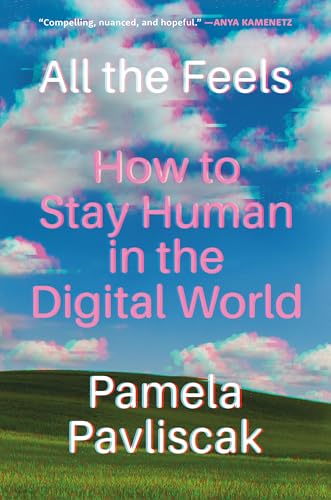
Based on your book
All the Feels
by Pavliscak, Pamela
Pavliscak takes a hard look at the invisible architecture of our digital lives, specifically how technology is designed to shape, track, and monetize our human emotions. This is not a dry technical manual; it is an observant, deeply thoughtful investigation into why our devices feel like extensions of our personalities and how that connection is being exploited. The writing feels like a long, late-night conversation with a friend who happens to be a design expert. It moves at a measured, analytical pace, encouraging you to stop and examine your own reactions to the apps you use daily. If you are the type of person who frequently wonders why a certain interface makes you feel anxious or why a notification loop is so hard to break, this book provides the vocabulary to understand those impulses and the critical framework to demand better from the designers behind the screen.
10 Books similar to 'All the Feels'
Since you enjoyed the analytical yet human-centered perspective in All the Feels, you will likely appreciate these titles that further dissect the intersection of empathy and engineering. We have curated a list that bridges the gap between the psychological hooks of addictive tech and the ethical responsibilities of those who build it. Whether you are looking for practical strategies to reclaim your attention, or you want to dig deeper into the algorithmic biases that influence our daily moods, these selections expand on the themes of digital intimacy and the societal cost of user-experience design.
As an Amazon Associate, we earn from qualifying purchases.

by Max Tegmark
Like Pavliscak, Tegmark explores the profound intersection of humanity and advanced technology, though he leans more into the future implications of AI. Fans of 'All the Feels' will appreciate the analytical approach to how AI will reshape our emotional and societal landscape.

Turkle provides a foundational look at how technology impacts our capacity for intimacy and empathy, mirroring Pavliscak's focus on the emotional consequences of digital connection. It is essential reading for understanding the 'feeling' side of the human-computer relationship.

While more critical and political in nature, this book dives deep into the data-driven systems that Pavliscak discusses in the context of emotional design. Readers interested in the power dynamics behind the apps that track our feelings will find this deeply compelling.

This book is a cornerstone text for the field of emotional design, directly complementing Pavliscak's work. It focuses on the practical application of creating user experiences that resonate on a human, emotional level.

Not sure what they've already read?
Let them pick their next favorite with an Amazon Gift Card.
As an Amazon Associate, we earn from qualifying purchases.

Wachter-Boettcher exposes the flaws in tech design that Pavliscak also critiques, specifically focusing on how bias and poor design choices negatively impact real people. It serves as a necessary, grounded reality check for designers and users alike.

Carr investigates how the medium of the internet physically and mentally alters our cognitive processes, a theme that lingers in the background of Pavliscak's work. It provides a fascinating look at the 'feeling' of thinking in a digital age.

by Cal Newport
Newport offers a practical philosophy for reclaiming our attention and emotional well-being from the very technologies Pavliscak analyzes. It is the perfect companion for readers looking to apply the insights from 'All the Feels' to their daily lives.

by Adam Alter
Alter explores the psychological mechanisms behind why we find digital experiences so compelling, aligning perfectly with Pavliscak's study of emotional design. It explains the 'why' behind the emotional attachment we form with our devices.

Monteiro brings a passionate, ethical lens to the design industry, echoing Pavliscak's call for more responsible and human-centric technology. It is a rallying cry for designers to consider the emotional and societal impact of their work.

by Hannah Fry
Fry explores the complex relationship between humans and the algorithms that increasingly govern our lives, blending technical explanation with human storytelling. Readers of Pavliscak will appreciate the balance of accessible science and human-centered perspective.

Prefer to listen?
Try Audible and hear the story instead of reading it.
As an Amazon Associate, we earn from qualifying purchases.
As an Amazon Associate, we earn from qualifying purchases.