

Based on your book
Allen Carr's Easy Way to Stop Smoking
by Carr, Allen
Allen Carr flips the traditional quit-smoking narrative on its head by arguing that the physical withdrawal from nicotine is actually quite mild. Instead, he posits that the real battle is psychological, rooted in the illusions we hold about why we smoke in the first place. You will find that the reading experience is less like a clinical manual and more like a long, patient conversation with someone who has already dismantled the trap from the inside. Carr systematically picks apart the myths that smoking relieves stress or aids concentration, systematically stripping away the perceived benefits until you are left with a clear, logical reality. This book is for the reader who is exhausted by the struggle of willpower and is looking for a shift in perspective that makes the act of quitting feel like a relief rather than a sacrifice.
10 Books similar to 'Allen Carr's Easy Way to Stop Smoking'
If the logical deconstruction of your habits in this book resonated with you, our curated list explores the deeper mechanics of why we do what we do. We selected these titles because they mirror Carr's focus on shifting internal frameworks rather than relying on brute force willpower. Whether you are interested in the neuroscience of dopamine, the psychology of growth mindsets, or the practical design of tiny, manageable life changes, these books provide the analytical foundation to support your journey. They turn the abstract concept of personal growth into a tangible, actionable system for lasting change.
As an Amazon Associate, we earn from qualifying purchases.

by James Clear
Like Allen Carr's work, this book focuses on deconstructing behavioral patterns and providing a practical, psychological framework for lasting change. It shares the same empowering and analytical tone, helping readers dismantle the underlying systems that fuel bad habits.

This book offers a deep dive into the science of why we do what we do, mirroring Carr's approach of explaining the 'why' behind addiction to facilitate the 'how' of quitting. It provides a similar intellectual foundation for anyone looking to break free from ingrained routines.

by Anna Lembke
Lembke explores the neuroscience of addiction and pleasure, offering a modern, scientific perspective that complements Carr's behavioral insights. It is a must-read for anyone who appreciates Carr's focus on the brain's role in maintaining dependency.
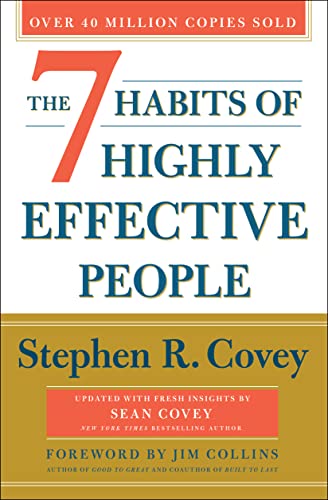
Much like Carr's guide, this classic focuses on fundamental shifts in perspective rather than just willpower. It provides a structured, philosophical approach to changing one's life by addressing the root causes of behavior.

Not sure what they've already read?
Let them pick their next favorite with an Amazon Gift Card.
As an Amazon Associate, we earn from qualifying purchases.

While more intense and visceral than Carr's calm approach, Goggins' book shares the core theme of overcoming mental barriers and taking absolute control of one's mind. Readers who appreciated the 'tough love' and directness of Carr will find this equally transformative.

by Annie Duke
Duke challenges the societal stigma against quitting, providing a logical framework that echoes Carr's philosophy that stopping an addiction is not a loss, but a gain. It is an analytical, refreshing take on decision-making that will resonate with Carr's readers.

Dweck's exploration of fixed versus growth mindsets provides the psychological underpinnings for the kind of change Allen Carr advocates. It helps readers understand that their ability to quit is not about willpower, but about their fundamental beliefs.

This book is the spiritual successor to Allen Carr's method, specifically applied to alcohol; it uses the exact same 'de-glamorization' technique to strip away the perceived benefits of the substance. It is essential reading for fans of Carr's specific style of persuasion.

by BJ Fogg
Fogg's method of breaking down massive changes into tiny, manageable steps aligns perfectly with the simplicity of Carr's 'easy way' philosophy. It removes the pressure of willpower, focusing instead on the design of habits.

McGonigal bridges the gap between science and self-help, explaining the biology of self-control in a way that validates Carr's assertions about addiction. It provides the 'how-to' for the brain, making it a perfect companion to Carr's psychological reframing.

Prefer to listen?
Try Audible and hear the story instead of reading it.
As an Amazon Associate, we earn from qualifying purchases.
As an Amazon Associate, we earn from qualifying purchases.