

Based on your book
And Then We Hit a Rock
by Buenzli, Greg
Greg Buenzli pulls no punches in this stark account of a life splintered by sudden, catastrophic trauma. The narrative functions less like a standard memoir and more like a high-stakes survival manual for the mind. You are placed directly in the headspace of someone whose reality has been violently rewritten, forcing you to navigate the disorienting, often gritty process of piecing together a shattered sense of self. The atmosphere is heavy with the tension of isolation, capturing the specific, suffocating frustration of being trapped within one's own malfunctioning biology. It is an intense, unvarnished look at the intersection of physical injury and psychological endurance. This is a vital read for those who appreciate memoirs that trade sentimentality for cold, hard honesty and a raw exploration of what it actually takes to reclaim your existence after the unthinkable happens.
10 Books similar to 'And Then We Hit a Rock'
When you finish And Then We Hit a Rock, you might find yourself craving more stories that examine the thin line between cognitive control and total chaos. These selections were chosen because they mirror that same visceral, isolating experience of a body or mind in revolt. Whether it is the clinical detachment of a neuroscientist observing their own breakdown or the harrowing silence of someone locked within their own consciousness, these books share a common thread of grit and resilience. They are perfect for readers who want to understand the profound, non-linear work of healing.
As an Amazon Associate, we earn from qualifying purchases.

Like Buenzli's work, this memoir chronicles a terrifying, sudden medical mystery that strips away the author's sense of self. It captures the disorientation and frustration of navigating a broken neurological system with raw, journalistic precision.

This profound memoir shares the experience of living with locked-in syndrome, mirroring the intense isolation and cognitive recalibration found in stories of traumatic brain injury. It is a deeply poetic and resilient look at maintaining one's humanity when the body fails.

Written by a neuroanatomist who experienced a massive stroke, this book offers a unique blend of scientific insight and personal narrative similar to Buenzli's attempt to understand his own brain. It provides a fascinating, firsthand account of the recovery process.
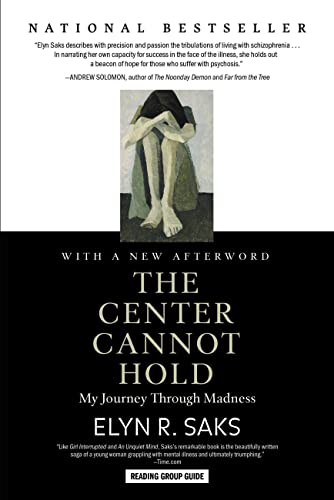
by Elyn R. Saks
This memoir details a struggle with schizophrenia, offering a parallel to the loss of cognitive control and the difficulty of reintegrating into society after a mental health crisis. It shares the same unflinching honesty about the fragility of the mind.

Prefer to listen?
Try Audible and hear the story instead of reading it.
As an Amazon Associate, we earn from qualifying purchases.

Pistorius recounts his years trapped in his own body while unable to communicate, a narrative that echoes the deep frustration and isolation often felt during recovery from severe trauma. It is a powerful testament to the resilience of the human spirit.

While more instructional, this book aligns with the themes of physical and psychological recovery from trauma found in Buenzli's memoir. It provides a framework for understanding how the body holds onto traumatic events, which will resonate with readers interested in the 'why' behind their own recovery journeys.

by Joan Didion
Didion's exploration of grief and the sudden upending of life mirrors the 'before and after' structure of accident-based memoirs. It captures the disorientation of a life suddenly changed by an uncontrollable event.
by Jesse Brown
This memoir deals with the author's struggle with mental health and the subsequent impact on his life and relationships, providing a similar tone of vulnerability and dark humor. It is an honest look at the messy, non-linear path to recovery.

by Oliver Sacks
Sacks documents his own experience with a severe leg injury, exploring the neurological and psychological consequences of physical trauma. His blend of medical expertise and narrative storytelling will appeal to readers who appreciated the analytical yet personal tone of Buenzli's book.

Though a different type of memoir, this book shares the theme of surviving chaotic and traumatic circumstances while trying to define one's own identity. Its narrative voice is equally compelling and focuses on the resilience required to move forward from a difficult past.

Love to read on the go?
Explore Kindle e-readers and take your books with you.
As an Amazon Associate, we earn from qualifying purchases.
As an Amazon Associate, we earn from qualifying purchases.