

Based on your book
Atlantis
by Donnelly, Ignatius
Ignatius Donnelly’s Atlantis is less a standard history book and more a grand, intellectual detective story that attempts to prove the existence of a sunken continent. By weaving together geology, comparative mythology, and linguistic patterns, Donnelly argues that all ancient civilizations share a common ancestor that vanished beneath the waves. The experience of reading this is like stepping into a 19th-century study filled with maps, curios, and ambitious theories that defy the academic consensus of the time. It is dense, earnest, and undeniably persuasive in its own idiosyncratic way. You will feel the weight of deep time and the specific, obsessive energy of a Victorian polymath convinced he has solved the ultimate historical mystery. This is the perfect pick for readers who enjoy questioning established timelines and appreciate speculative, wide-reaching research that prioritizes grand patterns over dry, narrow facts.
10 Books similar to 'Atlantis'
If you found yourself captivated by Donnelly’s grand, speculative synthesis of human history, these selections will keep that momentum going. We chose these titles because they echo his obsession with lost civilizations, the rise and fall of empires, and the allure of hidden knowledge. Whether you are seeking the rigorous academic counterpoints found in 1177 B.C. or the adventurous, fringe-science spirit of Graham Hancock, this collection explores the same fundamental human desire to uncover what has been erased from the record. These works serve as both the foundation and the evolution of the Atlantis myth.
As an Amazon Associate, we earn from qualifying purchases.

Like Donnelly's work, this book presents a compelling, alternative archaeological theory proposing the existence of a lost, advanced civilization that predates known history. Readers who enjoy the speculative, grand-scale detective work of Atlantis will find this a modern, equally provocative successor.

by David Grann
This narrative non-fiction chronicles the obsession with finding a lost civilization in the Amazon, echoing the same human desire to uncover ancient, hidden truths that drove Donnelly. It captures the adventurous spirit and the tragic, obsessive nature of archaeological quests.

Serving as a direct follow-up to the ideas explored in the genre of lost-civilization research, this book continues the investigation into cataclysmic events that shaped human history. It mirrors the 'Atlantis' approach of synthesizing geology, mythology, and archaeology to argue for a forgotten past.

This encyclopedic work delves into the esoteric traditions and ancient mysteries that Donnelly touched upon in his attempts to link Atlantis to global mythologies. It is an essential companion for anyone interested in the speculative history and occult origins of human civilization.

Not sure what they've already read?
Let them pick their next favorite with an Amazon Gift Card.
As an Amazon Associate, we earn from qualifying purchases.

While more grounded in academic archaeology than Donnelly, this book explores the fascinating 'rise and fall' of complex societies, a core theme in Atlantis lore. It provides a rigorous, yet gripping look at how interconnected ancient civilizations can vanish, offering a reality check to speculative theories.

Childress is a modern successor to the 19th-century speculative tradition, focusing on 'out-of-place' artifacts and lost civilizations. Readers who enjoyed Donnelly's willingness to connect disparate global myths will appreciate this adventurous, globe-trotting exploration of the unknown.

Much like Donnelly's work, this massive, complex text attempts to provide a comprehensive, alternative history of the world and humanity's origins. Its scope is vast and mythological, appealing to those who enjoy grand, speculative narratives about the dawn of civilization.

by Plato
To truly understand the fascination with Atlantis, one must return to the primary source material that inspired Donnelly. This foundational philosophical text provides the original, allegorical account of the island, allowing readers to see where the myth began before it was expanded into pseudo-history.
by Michael A. Cremo and Richard L. Thompson
This book challenges the standard timeline of human evolution, much as Donnelly challenged standard historical narratives. It is a dense, argumentative work that will satisfy readers who enjoy questioning established scientific paradigms and looking for 'hidden' evidence of the past.
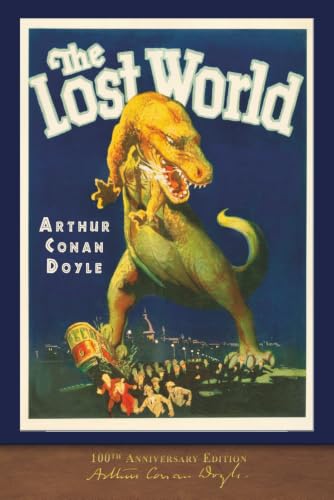
While a work of fiction, this novel captures the Victorian-era obsession with finding 'lost worlds' and prehistoric pockets of civilization that Donnelly's non-fiction tapped into. It offers an adventurous, atmospheric narrative that embodies the spirit of 19th-century exploration and discovery.

Prefer to listen?
Try Audible and hear the story instead of reading it.
As an Amazon Associate, we earn from qualifying purchases.
As an Amazon Associate, we earn from qualifying purchases.