

Based on your book
Atomic Habits
by Clear, James
James Clear moves away from the typical self-help fluff that relies on sheer willpower and instead treats your life like a system in need of engineering. The core premise is simple: you do not rise to the level of your goals, you fall to the level of your systems. Clear breaks down the mechanics of human behavior into bite-sized, actionable steps that focus on the one-percent improvements that compound over time. The reading experience is clinical yet deeply encouraging, stripping away the intimidation of massive life overhauls to focus on the architecture of your daily routine. It feels like a manual for your own brain. This is for the reader who is tired of vague motivational rhetoric and wants a logical, evidence-based roadmap to actually change how they show up in their own life.
10 Books similar to 'Atomic Habits'
If this systematic approach to self-improvement resonated with you, our curated list explores the specific nuances of how we think, work, and persist. We have selected titles like The Power of Habit and Tiny Habits because they provide the neurological and design-based blueprints that support Clear’s methodology. For those interested in expanding these principles into professional productivity or long-term character development, books like Deep Work and Grit offer the necessary psychological depth. These selections collectively bridge the gap between initial inspiration and the disciplined, deliberate practice required to sustain meaningful personal growth over a lifetime.
As an Amazon Associate, we earn from qualifying purchases.

This book serves as the foundational exploration of the science behind habit formation, providing the research and neurological context that complements Clear's practical advice. It is essential reading for anyone looking to understand the 'why' behind the 'how' of behavioral change.

by BJ Fogg
Fogg, a Stanford researcher, offers a methodology that mirrors Clear's focus on small, incremental changes, emphasizing the design of behavior rather than relying on willpower. It is a highly practical companion that simplifies the process of building new routines.
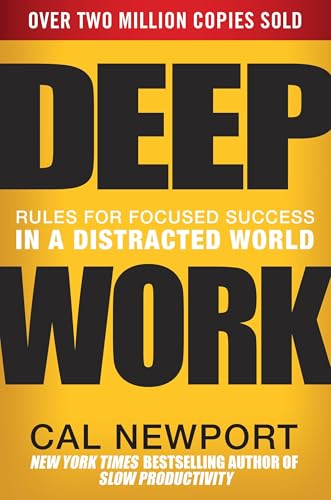
by Cal Newport
While 'Atomic Habits' focuses on general behavior, Newport applies similar principles of systems and environment design to the specific domain of productivity and cognitive focus. It is perfect for readers who want to optimize their daily output through structured, deliberate habits.

Dweck's work provides the psychological framework necessary for maintaining the habits Clear describes, specifically the concept of a 'growth mindset.' It helps readers overcome the mental barriers that often cause habit-building efforts to fail.

Not sure what they've already read?
Let them pick their next favorite with an Amazon Gift Card.
As an Amazon Associate, we earn from qualifying purchases.

by Greg McKeown
McKeown argues that we must simplify our lives to focus on what truly matters, a philosophy that aligns perfectly with Clear's emphasis on removing friction to build better habits. It provides the strategic 'why' to support the tactical 'how' of habit building.

Duckworth explores the long-term traits required for success, providing a deeper look at the perseverance needed to sustain the habits outlined in Clear's book. It bridges the gap between starting a habit and maintaining it over many years.

by Darren Hardy
Hardy echoes Clear's core thesis that small, consistent actions compound into significant results over time. It is a highly motivating guide that reinforces the importance of daily discipline and long-term thinking.

Rubin offers a more nuanced, personality-driven approach to habit formation, helping readers understand their own 'tendencies' to better tailor their strategies. It is an excellent follow-up for readers who felt 'Atomic Habits' was too one-size-fits-all.

Gladwell examines the external factors and practice habits that lead to extraordinary success, providing fascinating case studies that illustrate the principles Clear writes about. It offers a broader, sociological perspective on the habits of high achievers.

Focusing on the habits of effective learning, this book uses rigorous science to debunk common study myths, much like Clear debunks myths about willpower. It is an essential read for anyone looking to apply habit-building principles to skill acquisition.

Prefer to listen?
Try Audible and hear the story instead of reading it.
As an Amazon Associate, we earn from qualifying purchases.
As an Amazon Associate, we earn from qualifying purchases.