

Based on your book
Atrocity Fabrication and Its Consequences
by Abrams, A. B.
Abrams examines the mechanics of how geopolitical narratives are engineered to justify state violence. Rather than merely recounting history, the book dissects the specific techniques used by media and political actors to manufacture moral outrage, often creating or distorting accounts of atrocities to pave the way for intervention. The tone is relentlessly analytical and grimly focused, demanding that you set aside comfortable assumptions about international reporting. It feels like a cold, clinical autopsy of modern propaganda. You will not find easy answers here, only a structural breakdown of how public perception is weaponized. This is best suited for readers who are already skeptical of mainstream news cycles and possess the patience for dense, evidence-heavy political science. If you prefer your nonfiction to challenge your worldview while providing a rigorous framework for understanding global conflict, this is a necessary addition to your shelf.
10 Books similar to 'Atrocity Fabrication and Its Consequences'
The books selected here share a common DNA with the critical, unflinching spirit of Abrams work. We chose these titles because they move beyond surface-level history to expose the machinery of propaganda and the dark, often hidden costs of imperial policy. Whether you are interested in the roots of modern public relations or the specific ways Western interventionism is laundered through the press, these authors provide the investigative muscle to match the intensity of the source material. They are essential for anyone ready to map the systemic patterns of state-sanctioned misinformation.
As an Amazon Associate, we earn from qualifying purchases.

by Edward S. Herman and Noam Chomsky
As a seminal work on media criticism, this book provides the foundational framework for analyzing how mainstream media constructs narratives to serve state interests, much like Abrams' critique of atrocity fabrication. Readers who appreciate the meticulous deconstruction of geopolitical reporting will find this essential reading.
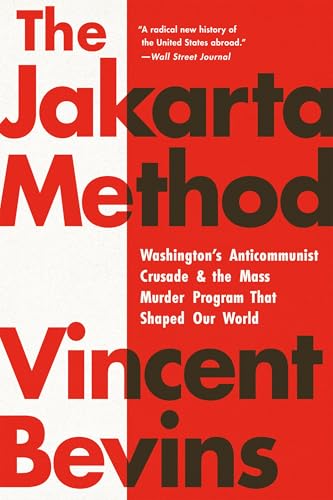
Bevins investigates historical atrocities and Western complicity that have been largely obscured or sanitized in official historical records. It shares the same investigative rigor and commitment to uncovering suppressed truths regarding foreign policy that defines Abrams' work.
by Alexander Cockburn and Jeffrey St. Clair
This collection of essays offers a scathing critique of Western interventionism and the media narratives that justify it. Fans of Abrams will appreciate the uncompromising tone and the focus on exposing how 'atrocity' narratives are weaponized for political gain.

by William Blum
Blum's exhaustive documentation of American foreign policy interventions provides the historical context often missing from modern news cycles. It aligns perfectly with Abrams' goal of challenging the dominant, state-sanctioned narratives surrounding international conflicts.

Love to read on the go?
Explore Kindle e-readers and take your books with you.
As an Amazon Associate, we earn from qualifying purchases.

Blumenthal provides an investigative look at how Western foreign policy and media narratives have directly contributed to the chaos they claim to be fighting. Readers interested in Abrams' analysis of how media fabrications lead to disastrous real-world consequences will find this highly relevant.
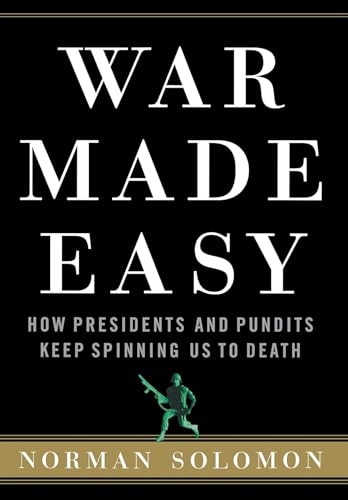
Solomon examines the propaganda mechanisms used by government officials and media outlets to manufacture consent for war, echoing Abrams' concerns about the manipulation of public perception. It is a vital companion for anyone questioning the validity of mainstream atrocity reporting.

by Naomi Klein
Klein explores how crises and atrocities are exploited to push through unpopular political and economic agendas, a theme that resonates deeply with Abrams' critique of how narrative fabrication serves specific power structures. It offers a broader, systemic view of the same geopolitical manipulations.

by Greg Grandin
Grandin traces the development of US interventionist strategies, showing how ideological narratives were crafted to justify control in Latin America. It provides the historical lineage for the modern media strategies that Abrams critiques in his work.

To understand the mechanics behind the 'fabrication' described by Abrams, one must look at the source of modern public relations. This classic text explains how the manipulation of public opinion is a deliberate and essential tool of modern governance.
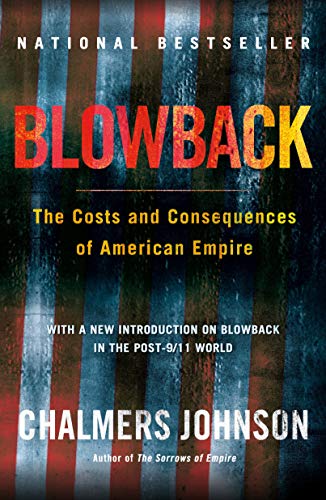
Johnson provides a sobering look at the unintended consequences of American foreign policy, arguing that the public is often shielded from the reality of these actions by media silence or misinformation. It shares the same critical, investigative spirit found in Abrams' writing.

Not sure what they've already read?
Let them pick their next favorite with an Amazon Gift Card.
As an Amazon Associate, we earn from qualifying purchases.
As an Amazon Associate, we earn from qualifying purchases.