

Based on your book
Augustus
by Williams, John
Augustus is a mosaic of a novel, piecing together the life of Rome's first emperor through letters, journals, and official reports. John Williams avoids the typical epic scope of historical fiction, opting instead for a quiet, philosophical examination of what it actually costs to hold absolute power. You do not get a standard chronological biography here; instead, you get a fractured, intimate portrait of a man who becomes a monument while he is still breathing. The prose is clean and precise, creating a haunting atmosphere where the personal sacrifices of Octavius are laid bare against the cold machinery of the state. It is a slow, contemplative read that rewards patience. If you prefer character studies over action-heavy narratives and enjoy pondering the isolating nature of leadership, this book will leave a lasting impression.
10 Books similar to 'Augustus'
Since Augustus excels at using an epistolary format to peer behind the curtain of history, these selections were chosen to deepen that specific experience. If the way Williams balances political maneuvering with the crushing weight of personal isolation resonated with you, you will find similar satisfaction in the intellectual rigor of Gore Vidal or the psychological intimacy of Hilary Mantel. These books mirror the way a life is reconstructed through scattered, subjective documents, focusing on the human vulnerability hidden beneath the mask of power and the heavy, often lonely, price of shaping an empire.
As an Amazon Associate, we earn from qualifying purchases.

Like Augustus, this novel uses an epistolary and autobiographical format to present the inner life of a Roman Emperor, blending meticulous historical detail with deep psychological insight. It captures the dangerous, claustrophobic nature of power in the Roman Empire through the eyes of a man who survives by appearing underestimated.

Written as a long letter from the aging Emperor Hadrian to his successor, this masterpiece shares the same philosophical depth and meditation on the burden of leadership found in John Williams' work. It is a profound, lyrical exploration of a ruler looking back on his life, love, and the nature of empire.
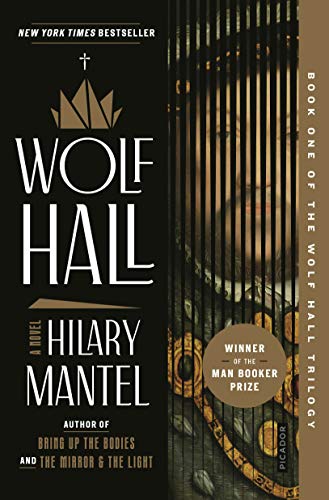
Mantel’s portrayal of Thomas Cromwell offers a similar 'warts and all' humanization of a powerful historical figure operating in a treacherous political landscape. The narrative voice is brilliantly immediate and intimate, mirroring the way Augustus reconstructs a life through fragments of perception.

by Mary Renault
Renault excels at grounding myth and history in visceral, realistic human experience, much like Williams does with the Roman era. This retelling of the Theseus myth captures the weight of destiny and the isolation of a leader, resonating with the somber tone of Augustus.

Love to read on the go?
Explore Kindle e-readers and take your books with you.
As an Amazon Associate, we earn from qualifying purchases.

by Gore Vidal
This sweeping historical novel utilizes a similar structure of personal accounts and observations to explore the ancient world through the eyes of a diplomat traveling across empires. It shares the intellectual rigor, cynicism, and fascination with the intersection of the personal and the political that defines Augustus.

by Shusaku Endo
While set in a different era and context, this novel shares the profound, quiet intensity and moral questioning found in John Williams' writing. It deals with the heavy burden of duty and the agonizing choices one must make when caught between personal conscience and the demands of a larger system.

by Gore Vidal
Vidal presents the life of the Roman Emperor Julian the Apostate through a complex structure of diaries and commentaries that directly echoes the format of Augustus. It is a brilliant, witty, and tragic examination of a man trying to reverse the tide of history, written with sharp intellectual precision.

This novel offers a deeply researched and intimate look at a notorious Roman figure, seeking to strip away the propaganda to reveal the human being underneath. Fans of Augustus will appreciate the shift in perspective and the attempt to reconcile private identity with public legacy.

Fitzgerald’s writing possesses a similar economy of style and emotional restraint as John Williams, capturing the essence of historical figures with startling clarity. Though the scope is smaller, the focus on the inner life of a genius and the melancholic beauty of the past makes it a perfect companion for fans of Augustus.

This sprawling, multi-perspective novel about the French Revolution captures the same sense of historical inevitability and the personal cost of political ambition found in Augustus. It excels at showing how great historical events are shaped by the fragile, flawed, and deeply human relationships of those at the center.

Not sure what they've already read?
Let them pick their next favorite with an Amazon Gift Card.
As an Amazon Associate, we earn from qualifying purchases.
As an Amazon Associate, we earn from qualifying purchases.