

Based on your book
BANKING ON FAILURE
by COLLIER
Banking on Failure is a clinical, unsparing examination of why the modern financial system seems designed to repeat its own catastrophes. Rather than focusing on individual villains, the book dissects the structural incentives that reward bankers for taking risks that the public ultimately pays for when things go wrong. Reading it feels like sitting through a high-level forensic audit; it is dense, methodical, and occasionally infuriating. You are not going to find easy heroes here, only a cold, logical progression of cause and effect that explains how regulatory capture and political myopia sustain a cycle of boom and bust. This is a demanding read for those who prefer their non-fiction grounded in hard institutional analysis rather than narrative fluff. If you want to understand the mechanics of economic fragility and the uncomfortable power dynamics that keep the status quo firmly in place, this is essential.
10 Books similar to 'BANKING ON FAILURE'
If the systemic autopsy in Banking on Failure piqued your interest, these titles offer a broader look at the architecture of greed and political complicity. We selected these books because they share that same analytical intensity, whether they are documenting the human chaos of the 2008 collapse in Too Big to Fail or deconstructing the technical myths of the industry in The Bankers New Clothes. These picks move beyond simple finger-pointing to explore the deep-seated moral dilemmas and structural rot inherent in global finance, providing a complete map of the players and policies behind the curtain.
As an Amazon Associate, we earn from qualifying purchases.
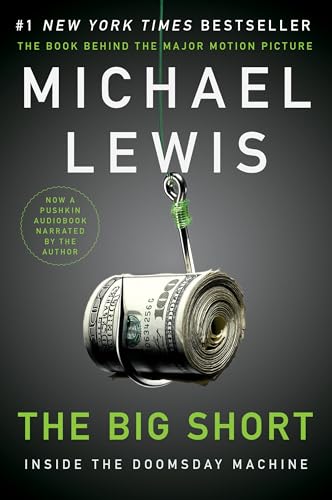
Like 'Banking on Failure', this book provides a gripping, accessible, and deeply critical look at the systemic flaws within the financial industry that led to the 2008 crisis. It matches the original's analytical rigor while maintaining a narrative pace that makes complex economic concepts feel like a high-stakes thriller.

by Charles W. Calomiris and Stephen H. Haber
This work mirrors the deep institutional analysis found in 'Banking on Failure' by examining how political incentives shape banking systems. It is essential reading for those who want to understand the 'why' behind regulatory failures and the political economy of finance.

by John Kay
John Kay offers a scathing critique of the modern financial system, arguing that it has become detached from the real economy, much like the arguments presented in 'Banking on Failure'. It is perfect for readers who appreciate a well-reasoned, evidence-based dismantling of banking industry myths.

by Anat Admati and Martin Hellwig
This book is the foundational text for the arguments made in many critiques of banking regulation, focusing on the necessity of higher capital requirements. Readers who enjoyed the technical yet accessible approach of 'Banking on Failure' will find this to be the definitive companion piece.

Not sure what they've already read?
Let them pick their next favorite with an Amazon Gift Card.
As an Amazon Associate, we earn from qualifying purchases.

This historical account of the central bankers who caused the Great Depression provides the historical context that 'Banking on Failure' implies. It shares a similar tone of sober analysis regarding the dangerous consequences of poor financial governance.

Focusing on the hidden world of high-frequency trading, this book exposes the rigged nature of modern stock markets with the same investigative fervor found in 'Banking on Failure'. It is a fast-paced, eye-opening look at how technology and greed intersect in finance.

This book offers a minute-by-minute account of the 2008 financial meltdown, providing the narrative drama to the systemic critiques found in 'Banking on Failure'. It is an essential read for understanding the human and institutional chaos behind the economic collapse.

Bullough investigates how the global financial system is used by the ultra-wealthy to hide assets, complementing the systemic critique in 'Banking on Failure' by focusing on the corruption of global capital. It is a compelling, investigative look at the dark side of international banking.

by Paul Muolo and Mathew Padilla
This book provides a detailed forensic examination of how the subprime mortgage crisis was engineered, echoing the structural criticisms of the banking sector in 'Banking on Failure'. It is a methodical, eye-opening account of corporate malfeasance.

by Ben Bernanke
While written from the perspective of a regulator, this memoir provides the internal view of the decisions that 'Banking on Failure' critiques. It is a fascinating, if biased, look at the mechanisms of power and policy during a time of extreme financial crisis.

Prefer to listen?
Try Audible and hear the story instead of reading it.
As an Amazon Associate, we earn from qualifying purchases.
As an Amazon Associate, we earn from qualifying purchases.