

Based on your book
Bartleby, the Scrivener
by Melville, Herman
Bartleby is a story about a Wall Street lawyer who hires a quiet, industrious copyist, only to have that man slowly dismantle the professional relationship by uttering the now-infamous phrase, I would prefer not to. What begins as a minor office nuisance spirals into a haunting meditation on the limits of empathy and the absurdity of modern labor. Melville creates a claustrophobic, dusty atmosphere where the mundane rituals of business collide with a sudden, impenetrable wall of human non-compliance. The pacing is deliberate and dry, designed to mirror the repetitive, soul-crushing nature of the narrator's law office. This is a read for anyone who has ever felt like a small cog in a massive, uncaring machine or those who appreciate literature that leaves the most significant questions unanswered. It is a cynical, quiet, and deeply unsettling look at what happens when an individual simply chooses to opt out of the social contract.
10 Books similar to 'Bartleby, the Scrivener'
When you finish Bartleby, you are often left with a strange, lingering sense of existential unease. These recommendations were curated for readers who want to explore that specific feeling of alienation further. Whether through the lens of bureaucratic absurdity found in Kafka and Chesterton, or the internal, quiet rebellion of characters in Dostoevsky and Camus, these works examine the friction between the individual and a rigid society. If you found yourself fascinated by the power dynamics and the refusal to conform, this collection will help you navigate the same themes of isolation and psychological withdrawal.
As an Amazon Associate, we earn from qualifying purchases.

by Franz Kafka
Like Bartleby, Gregor Samsa becomes an inexplicable burden to his employer and family, embodying the absurdity of existence and the dehumanizing nature of work. Both stories explore the quiet, tragic withdrawal of an individual from society and the frustration of those left to deal with the aftermath.

This novella features a narrator who, much like Bartleby, rejects the norms of society through passive-aggressive withdrawal and intellectual defiance. Readers who appreciate Melville's exploration of human alienation and the stubborn refusal to conform will find a kindred spirit in the Underground Man.

Set against a backdrop of bureaucratic complexity and moral questioning, this novel captures the tension between individual conscience and institutional demands. It mirrors the feeling of being trapped within a rigid system, a central struggle for Melville's scrivener.
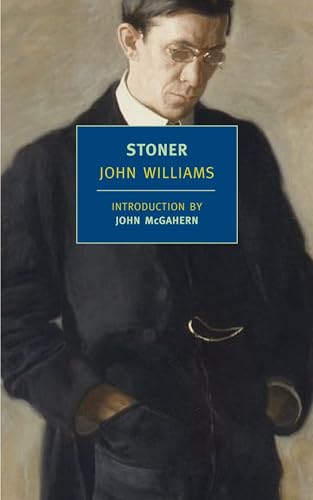
While less surreal than Melville's work, Stoner captures the quiet, crushing weight of a life spent in an unappreciative institutional setting. It offers a profound, melancholy look at the dignity of a man who persists in his own way despite the indifference of the world around him.

Not sure what they've already read?
Let them pick their next favorite with an Amazon Gift Card.
As an Amazon Associate, we earn from qualifying purchases.

by Franz Kafka
This novel perfectly captures the bewildering, Kafkaesque nature of the legal and bureaucratic systems that Melville subtly critiques in 'Bartleby.' It is an essential read for anyone fascinated by the feeling of being helplessly caught in the gears of an incomprehensible, uncaring machine.

This contemporary novel features a protagonist who, like Bartleby, finds a strange, singular purpose within a rigid workplace structure while remaining fundamentally detached from societal expectations. It provides a sharp, satirical look at conformity and the 'normal' life.

by Nella Larsen
This novel explores the internal isolation and the performance of identity within social structures, echoing the mystery of Bartleby's hidden self. Readers interested in the tension between what is seen on the surface and the complex, impenetrable inner life will appreciate this work.

by Albert Camus
Meursault's profound detachment from society and his refusal to play by conventional emotional rules make him a spiritual brother to Bartleby. Both books examine the absurdity of human life and the friction that occurs when an individual simply refuses to participate in the expected social rituals.

This play is the ultimate exploration of waiting, stagnation, and the futility of action, mirroring the static, repetitive environment of the scrivener's office. The dialogue and the atmosphere of existential waiting will resonate deeply with fans of Melville's quiet, puzzling masterpiece.

While more fantastical, this novel shares the surreal, dreamlike quality of 'Bartleby' and explores the paranoia of secret, bureaucratic organizations. It captures the same sense of a world that is slightly 'off' and governed by rules that no one fully understands.

Prefer to listen?
Try Audible and hear the story instead of reading it.
As an Amazon Associate, we earn from qualifying purchases.
As an Amazon Associate, we earn from qualifying purchases.