

Based on your book
Basics of Civil Engineering
by Maske, Prof Nikhil
Prof. Nikhil Maske provides a grounded, methodical entry point into the discipline that shapes our physical reality. Rather than getting lost in dense academic abstraction, this text focuses on the core mechanics and materials that allow society to function. The reading experience is clinical yet accessible, prioritizing clarity and logical flow to explain how we bridge the gap between raw nature and human necessity. It operates as a behind-the-scenes look at the invisible architecture of our daily lives, from the integrity of building materials to the precision of surveying. This book is for the intellectually curious reader who wants to understand the 'why' behind the infrastructure they walk past every day. It is ideal for those who prefer an analytical approach to self-improvement through knowledge, offering a firm foundation for anyone interested in the intersection of human ingenuity and natural forces.
10 Books similar to 'Basics of Civil Engineering'
Since you enjoyed the analytical rigor of Maske's work, these ten selections were curated to expand your understanding of the built environment. We chose these titles because they bridge the gap between technical instruction and the philosophy of design. Whether you want to explore the historical role of failure in engineering innovation, the artistic potential of structural efficiency, or the specific physical properties of concrete and steel, these books deepen the cultural and intellectual themes first introduced in the Basics. This collection moves from foundational principles into the broader, more nuanced study of how we shape our world.
As an Amazon Associate, we earn from qualifying purchases.
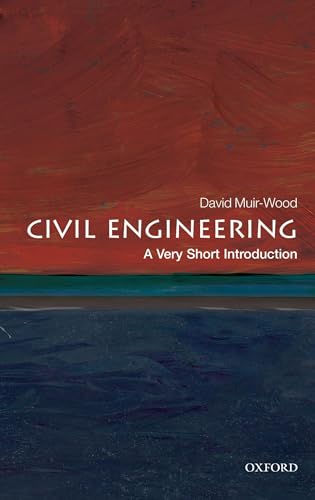
Like Maske's text, this book provides a concise and accessible overview of the field, making it perfect for readers who want to understand the fundamental principles and historical evolution of civil engineering without the dense jargon. It serves as an excellent companion for those looking to broaden their conceptual understanding of infrastructure and design.

by J.E. Gordon
This book is a classic for anyone interested in the 'why' behind the 'how' of civil engineering. It bridges the gap between complex structural theory and everyday reality, mirroring the educational intent of Maske's work but with a more engaging, narrative-driven style.

by W.F. Chen
For readers who appreciated the comprehensive scope of Maske's book, this handbook serves as an essential, deeper reference. It covers the entire spectrum of civil engineering disciplines, providing a rigorous and structured approach to the subject matter.

This book offers a fascinating look at the philosophy of engineering, focusing on how structural failures have historically driven innovation. It complements the technical basics found in Maske's work by adding a layer of historical context and critical thinking about design safety.

Not sure what they've already read?
Let them pick their next favorite with an Amazon Gift Card.
As an Amazon Associate, we earn from qualifying purchases.

This is a direct peer to Maske's work, frequently used in academic settings to introduce students to fundamental concepts like building materials, surveying, and structural mechanics. It shares the same pedagogical structure and clear, instructional tone.

While broader in scope than just civil engineering, this text provides the same foundational grounding in engineering ethics, problem-solving, and design processes found in Maske's book. It is ideal for readers who want to contextualize civil engineering within the wider engineering profession.
by S.K. Duggal
This book dives deep into one of the core pillars of Maske's text: the materials used in construction. It is an essential read for those who want to move beyond the basics and understand the properties, testing, and application of concrete, steel, and timber in civil projects.

by B.C. Punmia
Surveying is a critical component of the 'Basics of Civil Engineering,' and this book is widely considered the gold standard for mastering those techniques. It provides the same level of technical clarity and practical application that readers of Maske's work expect.

For those who found the structural engineering sections of Maske's book particularly engaging, this text offers a rigorous deep dive into steel design. It maintains an academic, instructional tone that is highly accessible to students and professionals alike.

This book elevates the study of civil engineering to an art form, exploring the intersection of structural efficiency and aesthetic beauty. It provides a more philosophical and historical perspective that rounds out the purely technical basics taught in Maske's book.

Love to read on the go?
Explore Kindle e-readers and take your books with you.
As an Amazon Associate, we earn from qualifying purchases.
As an Amazon Associate, we earn from qualifying purchases.