

Based on your book
Begetting
by van der Lugt, Mara
Mara van der Lugt takes on the history of how we have thought about human reproduction, but this is not a dry textbook. She tracks the evolution of ideas surrounding birth and existence with an intensity that can feel genuinely unsettling. The book is a psychological deep dive into the moral weight we place on creation, forcing readers to sit with the uncomfortable reality that our most biological functions are tangled in shifting philosophical and ethical demands. It is dense, intellectually demanding, and at times profoundly dark, as it strips away the sentimentality we usually attach to the beginning of life. This is a book for readers who want to be challenged rather than comforted, and who enjoy non-fiction that feels like a rigorous autopsy of human belief systems.
10 Books similar to 'Begetting'
If the clinical yet haunting exploration of human biology in Begetting left you unsettled, these selections provide a wider lens for your curiosity. We chose these titles because they mirror van der Lugt's ability to blend scientific history with the messy, often dark human stories that define our existence. Whether through the lens of evolutionary biology or the ethics of medical discovery, these books share that same intellectual rigor. They are perfect for readers who prefer their history with a side of moral ambiguity and a deep, unflinching look at the human condition.
As an Amazon Associate, we earn from qualifying purchases.

by Jonathan Eig
Like 'Begetting', this book offers a fascinating, deeply researched intellectual and social history of a specific aspect of human reproduction. It balances scientific discovery with the complex moral and political landscapes that shaped our modern understanding of fertility.

This book mirrors the sweeping, inquisitive nature of 'Begetting' by tracing the history of a fundamental concept—the gene—through both scientific evolution and personal narrative. It treats the history of biology with the same philosophical weight and narrative elegance found in van der Lugt's work.

by Bill Bryson
Fans of the accessible yet scholarly exploration of human biology in 'Begetting' will appreciate Bryson's ability to make complex medical history engaging and witty. It provides a comprehensive look at the human form, much like how van der Lugt examines the origins of life.

This narrative connects the scientific history of cell reproduction to the human stories behind the discovery, echoing the way 'Begetting' grounds abstract philosophical concepts in real human experience. It is a masterful blend of ethics, history, and biology.

Love to read on the go?
Explore Kindle e-readers and take your books with you.
As an Amazon Associate, we earn from qualifying purchases.

by Mary Roach
Roach approaches the biological and historical aspects of death with the same inquisitive, slightly irreverent, and deeply analytical tone that van der Lugt applies to birth. It is a perfect companion for readers who enjoy exploring the taboo or overlooked corners of human history.

by Cat Bohannon
This book shares the 'big picture' scope of 'Begetting', re-centering the history of evolution around the female body and the process of reproduction. It challenges traditional historical narratives with a sharp, intellectual, and necessary perspective.

by Andrea Wulf
If you enjoyed the way 'Begetting' traces the evolution of an idea across centuries, you will appreciate Wulf's biography of Alexander von Humboldt. Both books excel at showing how one concept can fundamentally shift our entire worldview.

by Randy Shilts
While focused on a different subject, this book shares the intense, investigative spirit of 'Begetting' by examining how society, politics, and science collide during a public health crisis. It is a rigorous examination of how knowledge and ignorance shape our survival.
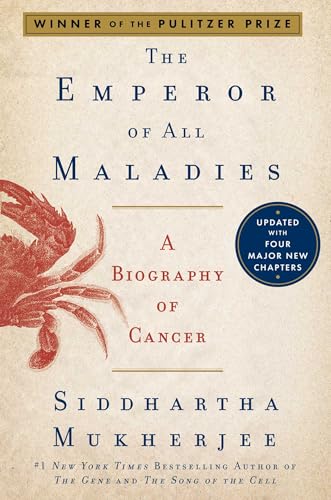
This 'biography' of cancer treats a biological phenomenon as a character with a long, complex history, much like van der Lugt treats the concept of 'begetting'. It is a deeply intellectual and emotionally resonant work that fans of non-fiction history will find compelling.
For readers interested in the intersection of philosophy, religion, and human reproduction, this work offers a similarly thoughtful examination of how our cultural and theological history shapes our intimate lives. It provides a sophisticated look at the ethics of the body.

Not sure what they've already read?
Let them pick their next favorite with an Amazon Gift Card.
As an Amazon Associate, we earn from qualifying purchases.
As an Amazon Associate, we earn from qualifying purchases.