

Based on your book
Begone Godmen
by Kovoor, Dr. Abraham
Dr. Abraham Kovoor was not interested in politeness when it came to charlatans. In Begone Godmen, he systematically dismantles the claims of self-proclaimed miracle workers, faith healers, and gurus who preyed on the vulnerable in India. The book functions as a series of investigative case studies, where Kovoor uses scientific principles to expose the sleight-of-hand tricks behind supposed supernatural phenomena. The reading experience is bracingly cynical and intellectually sharp; Kovoor writes with the confidence of a man who has seen every trick in the book and refuses to be intimidated by mysticism. It is a lean, observational work that favors logic over sentimentality. This is essential reading for anyone who finds comfort in evidence-based thinking and wants to understand the mechanics of deception. If you value intellectual rigor and have a low tolerance for superstition, this will feel like a refreshing splash of cold water.
10 Books similar to 'Begone Godmen'
If the clinical, no-nonsense approach of Begone Godmen resonated with you, these selections expand on that same spirit of rational inquiry. We chose these titles because they share Kovoor's commitment to peeling back the layers of fraud and cognitive bias that allow irrationality to flourish. Whether you are interested in the psychological roots of belief found in Shermer's work, or the aggressive, polemical dismantling of dogma seen in Hitchens, these books provide a broader arsenal of tools for the skeptic. They turn a critical eye toward the systems that exploit human vulnerability for power and profit.
As an Amazon Associate, we earn from qualifying purchases.

by Carl Sagan
Like Kovoor's work, this book is a seminal defense of scientific skepticism and critical thinking against the encroaching tide of superstition and pseudoscience. It shares the same mission of empowering the reader to question extraordinary claims through the lens of logic and evidence.

Hitchens mirrors Kovoor's uncompromising, polemical style in deconstructing religious dogma and faith-based claims. It is a direct, witty, and intellectually aggressive critique that will resonate with readers who appreciate Kovoor's confrontational approach to irrational beliefs.

by James Randi
Randi, much like Kovoor, dedicated his life to exposing frauds and charlatans using scientific methodology. This book serves as a perfect companion, offering a similar investigative spirit and a deep satisfaction in seeing supernatural claims debunked.

by Ben Goldacre
Goldacre applies the same rigorous, debunking mindset to the medical and wellness industries that Kovoor applied to spiritual gurus. It is an essential read for anyone who enjoys peeling back the layers of deception behind popular but unproven claims.

Prefer to listen?
Try Audible and hear the story instead of reading it.
As an Amazon Associate, we earn from qualifying purchases.
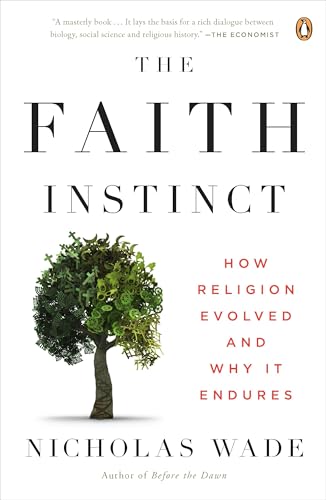
While more academic than Kovoor's polemic, this book explores the evolutionary origins of religious belief, providing a rational framework for understanding why humans are susceptible to the very 'godmen' Kovoor sought to expose. It offers a fascinating, objective counterpoint to the subjective nature of faith.

Shermer provides the psychological context for the phenomena Kovoor observed, explaining the cognitive biases that lead people to fall for scams and supernatural claims. It bridges the gap between Kovoor's practical debunking and the scientific study of human belief.

Functioning as an encyclopedia of the irrational, this book shares the encyclopedic, fact-checking nature of Kovoor's work. It is a vital reference for anyone who wants to arm themselves with facts against superstition and paranormal assertions.
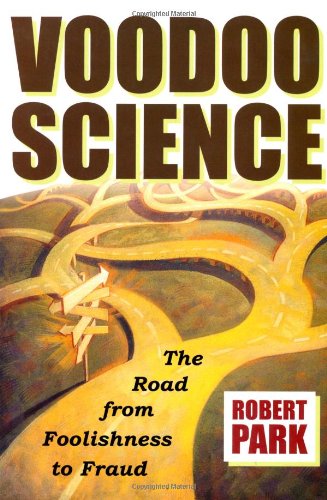
Park explores the intersection of science and deception, highlighting how even well-meaning people can be misled by 'voodoo science.' It echoes Kovoor's concern regarding the dangers of unscientific thinking in public and private life.

This book provides a broader historical context for the irrationality that Kovoor fought against, exploring how reason and unreason have coexisted throughout human history. It offers a deeper, more philosophical look at the human tendency to embrace the supernatural.
As a successor to the rationalist movement in India, Edamaruku continues the work Kovoor started, investigating and debunking miracles in real-time. Readers of 'Begone Godmen' will find this to be a direct, modern continuation of the same brave, investigative tradition.

Love to read on the go?
Explore Kindle e-readers and take your books with you.
As an Amazon Associate, we earn from qualifying purchases.
As an Amazon Associate, we earn from qualifying purchases.