

Based on your book
Behave
by Robert M. Sapolsky
Behave by Robert M. Sapolsky is a monumental undertaking, an ambitious journey into the very roots of human action. Sapolsky doesn't just ask "why did they do that?"; he meticulously traces the answer back through the seconds, minutes, days, and even millennia leading up to any given behavior. From the firing of a neuron to the sweep of evolutionary history, he connects the dots between biology, culture, and our environment to explain everything from altruism to aggression. Reading it feels like sitting down with the smartest, most engaging professor you've ever met, who's determined to leave no stone unturned. It's a dense, challenging, and often hilarious exploration that will fundamentally reshape how you think about free will, morality, and what it means to be human. This is for the curious, the patient, and anyone who craves a truly comprehensive, intellectually rigorous understanding of human nature.
10 Books similar to 'Behave'
If you found Sapolsky's multi-layered investigation into human behavior endlessly fascinating, you're in luck. The books we've chosen share Behave's incredible scope and intellectual ambition. Many, like Daniel Kahneman's Thinking, Fast and Slow or David Eagleman's Incognito, dive deep into the neurological and psychological underpinnings that challenge our ideas of free will and conscious choice. Others, such as Yuval Noah Harari's Sapiens or Steven Pinker's The Better Angels of Our Nature, offer similarly grand, data-driven narratives that explore the sweeping cultural, historical, and evolutionary forces shaping human morality and society. They all invite you to think critically about why we are the way we are.
As an Amazon Associate, we earn from qualifying purchases.

This book is by the same author and delves into the fascinating connection between stress, physiology, and behavior, much like "Behave" explores the broader origins of action. Sapolsky's signature witty, accessible, and deeply informative style is on full display, making complex biological processes understandable and engaging.
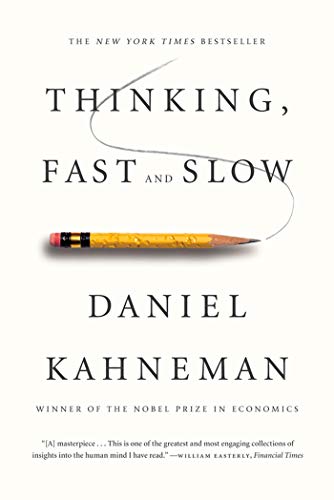
Kahneman, a Nobel laureate, explores the two systems that drive our thinking and decision-making, offering a profound look into cognitive biases and human rationality. Readers of "Behave" will appreciate the rigorous scientific approach to understanding the mechanisms behind our actions and choices.

Harari provides a sweeping narrative of human history from the Stone Age to the 21st century, examining how biology, culture, and technology have shaped our species. Its grand scope and philosophical inquiries into human nature and societal structures resonate strongly with the comprehensive approach of "Behave."

Pinker meticulously dissects the historical decline of violence, using psychology, history, and cognitive science to understand human aggression and our capacity for peace. Like "Behave," it offers a data-driven, multi-disciplinary examination of fundamental aspects of human behavior.

Prefer to listen?
Try Audible and hear the story instead of reading it.
As an Amazon Associate, we earn from qualifying purchases.

Eagleman dives into the unconscious processes that govern our thoughts, feelings, and actions, challenging our understanding of free will and personal responsibility. This book shares "Behave"'s core interest in the neurological underpinnings of behavior, presented in an accessible and intriguing manner.

Haidt explores the psychological roots of our moral and political divisions, arguing that intuition comes before strategic reasoning. Fans of "Behave" will appreciate this deep dive into the evolutionary and cultural factors shaping human morality and social behavior.

Damasio challenges the traditional view of reason as separate from emotion, demonstrating through neurological case studies how feelings are essential for rational decision-making. This book offers a foundational neuroscience perspective that complements Sapolsky's exploration of behavior's biological roots.

Dawkins presents a gene-centric view of evolution, arguing that organisms are vehicles for genes whose primary goal is replication, profoundly influencing our understanding of altruism and self-interest. Its rigorous, analytical approach to the biological drivers of behavior aligns well with "Behave"'s scientific inquiry.

Diamond explores the environmental and geographical factors that shaped the development of human societies across continents, offering a grand, interdisciplinary explanation for historical inequalities. Its broad, analytical scope and focus on fundamental drivers of human outcomes will appeal to readers who enjoyed "Behave"'s comprehensive approach.

by Oliver Sacks
Sacks presents a series of captivating case studies of neurological disorders, offering profound insights into the human brain and the nature of identity, perception, and consciousness. While more focused on individual stories, it shares "Behave"'s deep empathy and curiosity about how brain function shapes our experience of the world.

Love to read on the go?
Explore Kindle e-readers and take your books with you.
As an Amazon Associate, we earn from qualifying purchases.
As an Amazon Associate, we earn from qualifying purchases.