
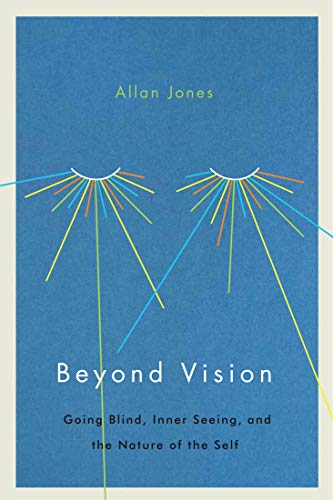
Based on your book
Beyond Vision
by Allan Jones
Allan Jones’s Beyond Vision is a deeply personal and intellectually expansive memoir, chronicling his journey as Canada’s first blind diplomat. As an untreatable eye disease slowly closed off his visual world, especially during his foreign postings, Jones embarked on a profound quest for understanding. He found an unexpected anchor in Advaita Vedanta, an ancient Indian philosophy that radically reshaped his perception of self and reality, revealing a truth beyond the physical senses. The book thoughtfully weaves together his challenging family background, his adventurous career, and his spiritual breakthroughs, creating a narrative that is both introspective and inspiring. It’s a reflective, philosophical read that feels empowering, perfect for readers drawn to stories of self-discovery, personal growth, and finding meaning amidst life’s greatest adversities, particularly those interested in how abstract thought can illuminate lived experience.
10 Books similar to 'Beyond Vision'
If Beyond Vision resonated with your desire to understand how perception shapes reality, our curated list will offer further illumination. Allan Jones’s journey to redefine vision beyond the purely physical connects powerfully with thinkers who explore how images, media, and cultural constructs influence what and how we see. These recommendations delve into the philosophical underpinnings of visual representation, examining how our understanding of the world is formed and transformed through what's seen, unseen, and interpreted. They're for anyone fascinated by the profound impact of visual culture on identity, meaning, and our very sense of self.
As an Amazon Associate, we earn from qualifying purchases.

by Susan Sontag
Sontag's seminal essays critically examine the role of photography in modern society, exploring how images shape our understanding of reality, memory, and identity. Like Jones, she delves into the philosophical implications of visual representation, offering a profound analysis of photography's cultural power.

by John Berger
Based on a BBC series, this book radically alters how we perceive images, particularly in art and advertising, by revealing the underlying power structures and ideologies. Its accessible yet profound critique of visual culture resonates with Jones's analytical approach to how we 'see' beyond the literal.

A deeply personal yet highly theoretical exploration of photography, Barthes dissects the nature of the photographic image, distinguishing between the 'studium' (cultural meaning) and the 'punctum' (personal, piercing detail). Its introspective and philosophical inquiry into what makes a photograph powerful mirrors Jones's quest to understand vision beyond its surface.
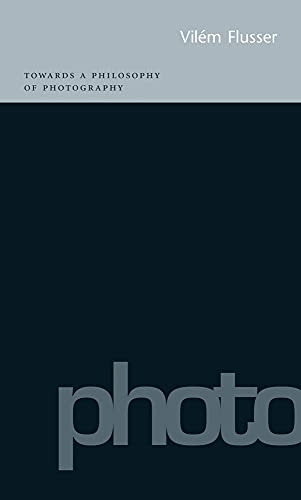
Flusser directly tackles the philosophical underpinnings of photography, viewing it as a technical image that structures our world and consciousness. His rigorous analysis of the photographic apparatus and its impact on human existence offers a direct parallel to Jones's deep dive into the conceptual aspects of vision.

Not sure what they've already read?
Let them pick their next favorite with an Amazon Gift Card.
As an Amazon Associate, we earn from qualifying purchases.

This foundational essay examines how technologies like photography and film transform the nature of art, stripping away its 'aura' and democratizing its access. Benjamin's critical analysis of media's impact on perception and authenticity provides a crucial historical and theoretical context for understanding the themes in 'Beyond Vision'.

Crary meticulously traces the historical transformation of vision itself, showing how new optical devices and scientific understandings in the 19th century reshaped how individuals perceived and were perceived. This historical and theoretical examination of vision's evolution is directly aligned with Jones's inquiry into how vision is constructed and understood.
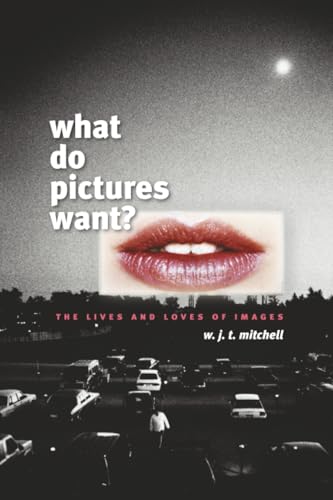
Mitchell explores the 'life' of images, arguing that they are not passive objects but active agents that demand attention and provoke responses. His engaging and wide-ranging inquiry into visual culture, semiotics, and the power of images offers a dynamic and intellectual companion to Jones's exploration of vision's deeper meanings.
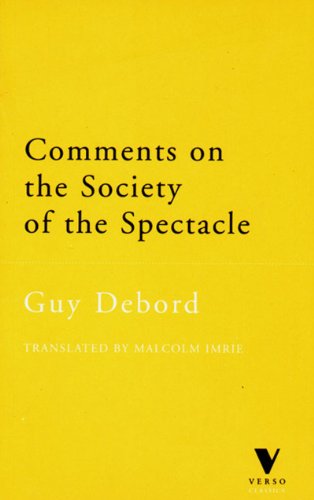
by Guy Debord
Debord's radical critique argues that modern society is dominated by images and appearances, where all social relations are mediated through a 'spectacle' that obscures genuine life. This highly influential work provides a critical framework for understanding how visual culture, including photography, constructs and manipulates our perception of reality, much like Jones's themes.

Baudrillard's groundbreaking work explores the concept of hyperreality, where simulations and models become more real than reality itself, blurring the lines between representation and truth. This philosophical deep dive into how images and media construct our perceived reality is highly resonant with Jones's examination of vision 'beyond' the literal.
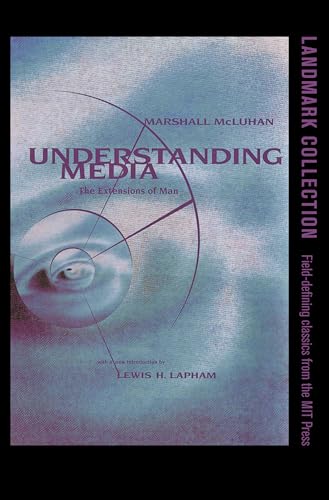
McLuhan's iconic work posits that 'the medium is the message,' arguing that the form of media (like photography) profoundly shapes human thought and society, independent of its content. This foundational text on media theory offers a broader but essential context for understanding how visual technologies extend and transform human perception, aligning with Jones's exploration of vision's impact.

Love to read on the go?
Explore Kindle e-readers and take your books with you.
As an Amazon Associate, we earn from qualifying purchases.
As an Amazon Associate, we earn from qualifying purchases.