
Based on your book
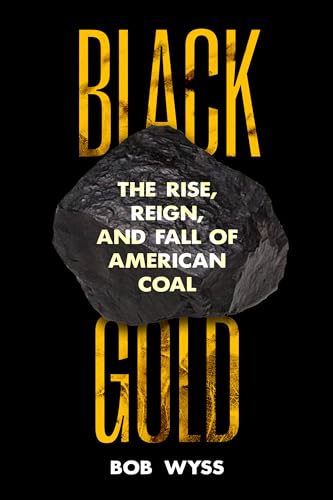
Black Gold
by Wyss, Bob
Bob Wyss turns a critical lens on the coffee industry, peeling back the layers of a global trade network that most of us engage with every single morning. He moves past the glossy marketing of artisanal beans to examine the harsh power dynamics between corporate giants and the farmers who actually grow the crop. The writing is methodical and investigative, favoring clear-eyed analysis over sensationalism. You will feel less like you are reading a history book and more like you are following a trail of breadcrumbs that leads straight to the structural inequities of modern capitalism. It is a dense, sobering, and deeply researched work that demands you pay attention to the human labor behind your daily caffeine fix. This is an essential read for anyone who enjoys pulling at the threads of global supply chains to see what unravels.
10 Books similar to 'Black Gold'
If the systemic analysis in Black Gold left you wanting more, these selections are curated to help you map out the hidden costs of our modern comforts. We chose these titles because they mirror that specific blend of historical deep dives and social commentary. Whether you are tracing the exploitation behind sugar and cotton or investigating the political fallout of the oil trade, these books share a commitment to uncovering the uncomfortable truths of global commerce. They turn everyday consumer goods into entry points for understanding the broader, often brutal, mechanics of power and inequality.
As an Amazon Associate, we earn from qualifying purchases.

by Antony Wild
Like Wyss's work, this book provides a deep, investigative look into the global coffee trade, tracing its origins and the often brutal exploitation that fueled its rise. It shares the same analytical and historical approach to understanding the true cost of our daily caffeine habit.

Fans of the systemic critique found in Black Gold will appreciate Stiglitz's exploration of how economic policies create vast disparities. It mirrors Wyss's focus on how global trade systems often disadvantage the vulnerable while benefiting the powerful.

This narrative non-fiction masterpiece offers the same 'on-the-ground' investigative journalism style as Black Gold, focusing on the lives of people living in the shadows of a globalized economy. It provides a human-centric look at the struggles of those caught in systemic poverty.

This is the definitive historical companion to the issues raised in Black Gold, detailing the rise of major coffee corporations and their impact on global politics and labor. It shares the same commitment to uncovering the complex, often dark, realities behind a beloved commodity.

Love to read on the go?
Explore Kindle e-readers and take your books with you.
As an Amazon Associate, we earn from qualifying purchases.

Just as Wyss exposes the hidden costs of coffee, Schlosser pulls back the curtain on the fast-food industry. Both books excel at connecting the consumer's simple purchase to broader, systemic issues of labor exploitation and environmental degradation.

by Sven Beckert
Readers interested in the supply chain mechanics of Black Gold will find this sweeping history of the cotton industry equally fascinating. It examines how global capitalism was built on the backs of forced labor and unequal trade, echoing Wyss's themes on a larger historical scale.
This book uses a single commodity—a t-shirt—to explain the complexities of global trade, much like Wyss uses coffee. It is an accessible, eye-opening look at how supply chains connect the wealthy West to the struggling workers of the developing world.
Much like the investigation into the coffee industry, this book explores the history and production of chocolate, highlighting the ethical dilemmas and labor issues inherent in its supply chain. It is a perfect follow-up for those who want to understand the 'true cost' of another popular global commodity.
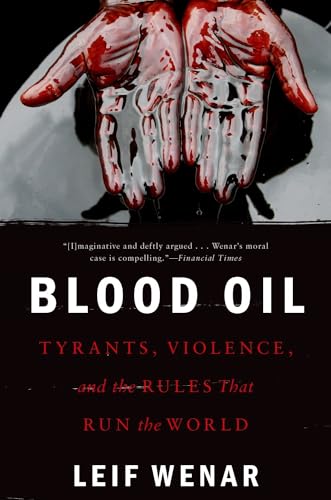
by Leif Wenar
For readers who appreciated the investigative rigor of Black Gold, this book examines the 'resource curse' and how the global trade in natural resources funds conflict and oppression. It expands on the moral and political questions Wyss raises regarding ethical consumption.

This classic anthropological study of sugar is essential reading for anyone interested in how a simple commodity shapes global history and human suffering. It shares the same critical lens found in Black Gold, connecting the consumer to the producer through a lens of power and politics.

Not sure what they've already read?
Let them pick their next favorite with an Amazon Gift Card.
As an Amazon Associate, we earn from qualifying purchases.
As an Amazon Associate, we earn from qualifying purchases.