

Based on your book
Bleeding Edge
by Thomas Pynchon
Bleeding Edge drops you into a hyper-real, pre-9/11 New York, a city buzzing with dot-com excess and a creeping sense of unease. You follow Maxine Tarnow, a fraud investigator with a knack for trouble, as she navigates a labyrinth of tech billionaires, shadowy conspiracies, and corporate malfeasance. The book feels like a high-speed chase through a funhouse mirror – it's paranoid, laugh-out-loud absurd, and surprisingly cerebral all at once. Pynchon’s signature style means you’ll encounter a dizzying array of eccentric characters, digressions, and a plot that delights in its own chaotic energy. If you appreciate a novel that’s both a scathing satire of early 2000s tech culture and a deeply unsettling premonition, all delivered with breakneck pacing and a wicked sense of humor, then this intricate, quirky ride is absolutely for you.
10 Books similar to 'Bleeding Edge'
If you found yourself captivated by the intricate webs of conspiracy and the unique blend of satire and paranoia in Bleeding Edge, we've gathered some kindred spirits for your next read. These recommendations share Pynchon's knack for dissecting modern anxieties through sprawling narratives and quirky characters. Whether you're drawn to the cerebral puzzles of tech noir, the darkly humorous critique of society, or the sheer intellectual ambition of a challenging plot, you'll find plenty to love here. Expect more explorations of technology's darker side, historical mysteries, and stories that will keep your mind buzzing long after the last page.
As an Amazon Associate, we earn from qualifying purchases.
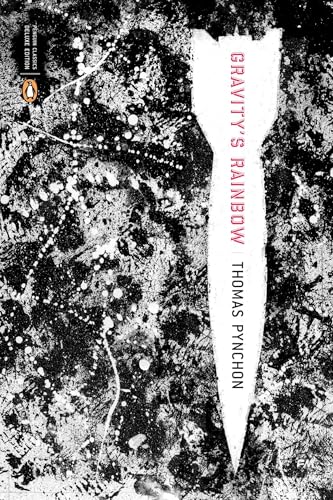
Another complex and dense novel by Pynchon, it shares his signature style of blending historical fiction with paranoia and conspiracy.

This novel combines historical and contemporary narratives with themes of cryptography and data privacy, similar to Pynchon's exploration of technology and society.

Known for its intricate narrative and dark humor, Wallace's novel explores themes of addiction and entertainment, akin to Pynchon's thematic complexity.

A shorter work by Pynchon that delves into themes of communication, paranoia, and conspiracy, offering a concentrated dose of his style.

Prefer to listen?
Try Audible and hear the story instead of reading it.
As an Amazon Associate, we earn from qualifying purchases.

by Don DeLillo
DeLillo's novel examines media saturation and consumer culture, resonating with Pynchon's exploration of modern anxieties and technological impacts.

This novel shares a satirical and critical look at modern society, similar to Pynchon's critique of contemporary culture.

Gaddis' novel is known for its complexity and themes of authenticity and forgery, echoing Pynchon's intricate storytelling.
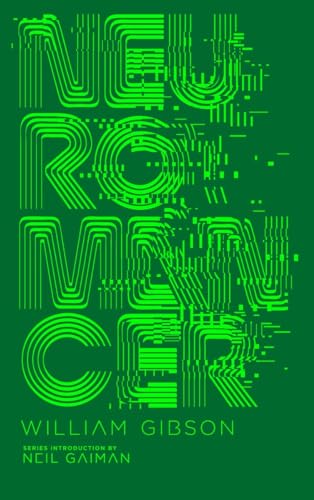
A cornerstone of cyberpunk, this novel explores the digital world and technology's impact on society, similar to Pynchon's interest in tech and culture.

by Don DeLillo
DeLillo's epic narrative weaves together historical events and personal stories, mirroring Pynchon's blend of history and fiction.

This Pynchon novel offers an elaborate historical tale with his trademark style of humor and intricate plot, appealing to fans of 'Bleeding Edge.'

Love to read on the go?
Explore Kindle e-readers and take your books with you.
As an Amazon Associate, we earn from qualifying purchases.
As an Amazon Associate, we earn from qualifying purchases.