

Based on your book
Bobos In Paradise
by Brooks, David
David Brooks introduces us to the Bobo, or the bourgeois bohemian, a creature who manages to be both a high-achieving professional and a counter-cultural rebel. It is a sharp, funny autopsy of the American elite who wear expensive hiking gear to board meetings and prioritize organic, locally sourced status symbols over traditional displays of wealth. Brooks treats these social habits with the detached amusement of an anthropologist observing a strange tribe in the wild. You will feel like you are sitting across from a very observant, slightly cynical friend who is pointing out the absurd contradictions in your own neighborhood. This is essential reading for anyone who enjoys people-watching at an upscale coffee shop and wonders why our modern meritocracy feels so exhausting, performative, and oddly specific.
10 Books similar to 'Bobos In Paradise'
If the social satire in Bobos In Paradise resonated with you, these selections dig deeper into the machinery of class and status. We chose these titles because they move beyond surface-level observations to examine why we compete for prestige and how our cultural tribes are formed. Whether you are looking for the historical roots of conspicuous consumption in Veblen, the psychological weight of status anxiety in De Botton, or the gritty reality of the American class divide in Murray, these books provide the intellectual scaffolding to better understand the strange social games we play every day.
As an Amazon Associate, we earn from qualifying purchases.

Like Brooks, Whyte offers a seminal sociological critique of the American middle class and corporate culture. It serves as a foundational text for understanding the conformist pressures of the mid-20th century, mirroring the analytical depth found in Bobos in Paradise.

This book provides a data-driven look at the habits and lifestyles of the wealthy, much like Brooks analyzes the 'Bobo' demographic. It deconstructs myths about the upper class, offering a fascinating look at how money and status actually function in America.
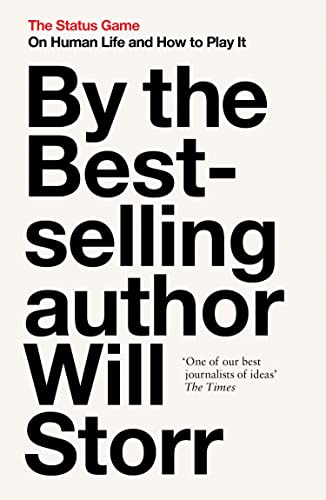
by Will Storr
Storr explores the human drive for status and how it shapes our social hierarchies, providing a psychological companion to Brooks's sociological observations. It is witty, deeply researched, and offers a sharp look at why we behave the way we do in modern society.

Murray examines the growing cultural and economic divide in America, focusing on the elite 'super-class' and the working class. It shares the same analytical rigor and interest in class stratification that defines the core arguments of Brooks's work.

Prefer to listen?
Try Audible and hear the story instead of reading it.
As an Amazon Associate, we earn from qualifying purchases.

This is the classic text on 'conspicuous consumption,' a concept that is essential to understanding the 'Bobos' Brooks describes. It is the intellectual grandfather of all modern cultural critiques regarding the wealthy and their habits.

De Botton explores the modern obsession with status and the anxiety it produces, perfectly complementing Brooks's analysis of the elite lifestyle. It is written with a philosophical and accessible tone that makes complex social dynamics easy to digest.

by Tom Nichols
Nichols critiques the modern cultural shift where expertise is devalued, echoing the concerns about intellectual and cultural shifts discussed by Brooks. It provides a sharp, observational look at the current state of American discourse and social hierarchy.

Crawford offers a philosophical counterpoint to the 'Bobo' lifestyle by examining the value of manual labor and tangible work. It provides a thoughtful critique of modern knowledge-based work culture, which is the very world Brooks analyzes.
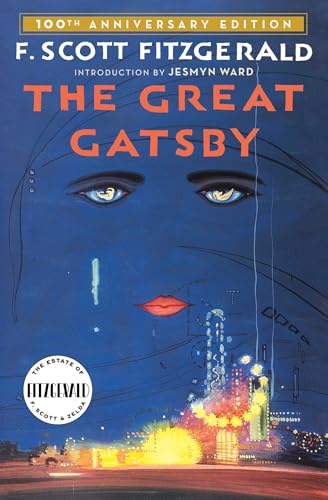
While a work of fiction, this novel perfectly captures the excess, status-seeking, and moral ambiguity of the American elite. It serves as the ultimate literary exploration of the themes Brooks dissects in his non-fiction sociology.
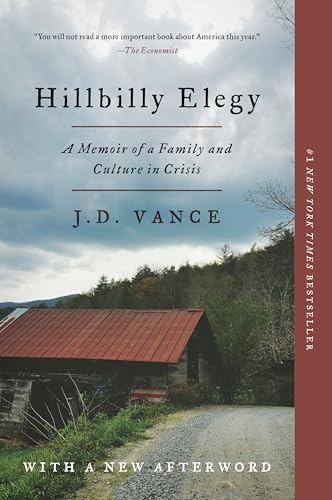
by J.D. Vance
Vance provides a sociological memoir that contrasts sharply with the world of the 'Bobos,' offering a look at the cultural divide in America. It is a necessary read for anyone interested in the class dynamics and social shifts that Brooks explores.

Love to read on the go?
Explore Kindle e-readers and take your books with you.
As an Amazon Associate, we earn from qualifying purchases.
As an Amazon Associate, we earn from qualifying purchases.