

Based on your book
Braiding Sweetgrass: Indigenous Wisdom, Scientific Knowledge and the Teachings of Plants
by Robin Wall Kimmerer
Braiding Sweetgrass invites you to reconsider your place in the living world. Robin Wall Kimmerer, a botanist with Indigenous heritage, offers a truly unique perspective, weaving together scientific observation, the ancient wisdom of her Potawatomi ancestors, and deeply personal reflections. This isn't a textbook; it's a conversation, a gentle guide that asks you to slow down and truly listen to what plants and the land have to teach us. The prose itself is lyrical and reflective, making the journey feel both intellectually stimulating and profoundly spiritual. You'll find yourself thinking differently about reciprocity, gratitude, and humanity's role as caretakers of the earth. If you're someone who seeks a deeper connection to nature, values cultural insight, and appreciates writing that inspires both thought and a sense of wonder, this book will feel like a profound gift. It's for anyone ready to learn how to be a better relative to the more-than-human world.
10 Books similar to 'Braiding Sweetgrass: Indigenous Wisdom, Scientific Knowledge and the Teachings of Plants'
For readers who found themselves changed by "Braiding Sweetgrass," our curated list continues the journey of connecting with the natural world through a blend of scientific insight and profound reflection. These books share Robin Wall Kimmerer's ability to illuminate the intricate wisdom of ecosystems, whether through deeply observant nature writing like Annie Dillard's or the groundbreaking ecological discoveries found in Suzanne Simard's work. You'll find a similar emphasis on understanding our reciprocal relationship with the earth and appreciating diverse ways of knowing, from Indigenous perspectives to philosophical explorations of our senses. Each recommendation offers a chance to deepen your appreciation for the interconnectedness of life.
As an Amazon Associate, we earn from qualifying purchases.
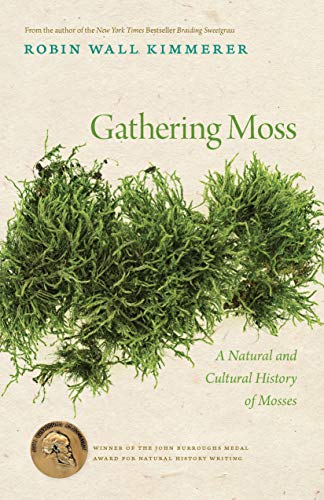
As another exquisite work by Robin Wall Kimmerer, this book offers the same lyrical prose, deep scientific insight, and profound indigenous wisdom, focusing on the often-overlooked world of mosses. Readers will find the familiar blend of personal narrative, ecological observation, and philosophical reflection on our relationship with the natural world.

Annie Dillard's Pulitzer-winning work shares Kimmerer's intensely observant and lyrical style, delving into the spiritual and scientific wonders found in a seemingly ordinary creek. It's a profound meditation on nature, existence, and the act of seeing, offering a similar blend of personal introspection and ecological awe.

Suzanne Simard masterfully weaves her personal journey as a forest ecologist with groundbreaking scientific discoveries about how trees communicate and support each other. This book offers a compelling narrative that reveals the hidden intelligence and interconnectedness of nature, echoing Kimmerer's themes of ecological reciprocity and wisdom.

Merlin Sheldrake's exploration of the fungal kingdom is a wondrous journey into the hidden networks that sustain life, blending scientific rigor with a sense of awe and philosophical inquiry. Like Kimmerer, he challenges anthropocentric perspectives and reveals the intricate, often surprising, relationships within ecosystems.

Prefer to listen?
Try Audible and hear the story instead of reading it.
As an Amazon Associate, we earn from qualifying purchases.
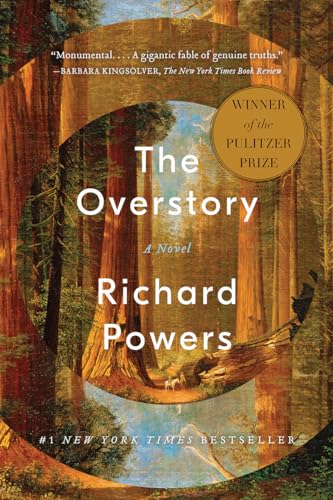
Though fiction, 'The Overstory' deeply resonates with Kimmerer's themes by portraying the sentience and interconnectedness of trees and the urgent need for environmental protection. Its lyrical prose and complex narrative structure, following multiple characters whose lives are intertwined with the natural world, will appeal to readers who appreciate a profound ecological perspective.

This collection of lyrical essays celebrates the wonders of the natural world through a personal and cultural lens, much like Kimmerer's work. Nezhukumatathil's writing is infused with a similar sense of awe, gratitude, and a desire to connect personal experience with the broader living world.

Tyson Yunkaporta offers a powerful and accessible exploration of Indigenous knowledge systems and how they can provide solutions to contemporary global crises. This book directly complements the 'Indigenous Wisdom' aspect of 'Braiding Sweetgrass,' offering a crucial perspective on different ways of knowing and relating to the world.

A seminal work in nature writing, 'Walden' offers deep philosophical reflections on humanity's relationship with nature, self-sufficiency, and the power of observation. Its introspective tone and focus on living simply and deliberately in connection with the land will resonate with readers who appreciate Kimmerer's contemplative approach.

Lyanda Lynn Haupt explicitly explores the vital intersection of scientific understanding, spiritual connection, and direct engagement with the natural world, a core theme in Kimmerer's work. This book encourages readers to cultivate a deeper, more holistic relationship with the earth through both intellect and intuition.

by David Abram
David Abram's work is a deeply philosophical and poetic exploration of how our perception and language shape our relationship with the natural world, drawing heavily on indigenous cosmologies. It provides a profound intellectual framework for understanding the animistic and reciprocal worldview central to Kimmerer's teachings.

Love to read on the go?
Explore Kindle e-readers and take your books with you.
As an Amazon Associate, we earn from qualifying purchases.
As an Amazon Associate, we earn from qualifying purchases.