

Based on your book
Brain on Fire
by Cahalan, Susannah
Susannah Cahalan was a healthy, ambitious young journalist until a sudden, terrifying descent into madness turned her life upside down. This memoir reconstructs that lost month, moving between her own harrowing, fragmented memories and the objective, often cold reality documented by her medical charts and family accounts. It is essentially a medical detective story where the victim is also the investigator, trying to solve the mystery of her own disappearing mind. The prose is lean and urgent, reflecting the high-stakes race against time as doctors struggle to find a diagnosis before her personality is permanently erased. This book is for readers who appreciate investigative journalism that turns inward, those drawn to the fragility of identity, and anyone who wants to understand the thin, often invisible line between neurological health and psychological collapse.
10 Books similar to 'Brain on Fire'
When you finish Brain on Fire, you are often left searching for more narratives that bridge the gap between clinical mystery and personal survival. We selected these titles because they explore that same unsettling space where the self begins to fracture. Whether through memoir or investigative reporting, these books grapple with the unreliable nature of memory and the resilience required to reclaim one's own story. If you are drawn to the feeling of a ticking clock or the search for meaning within a medical crisis, these recommendations offer a deeper look at the human brain under pressure.
As an Amazon Associate, we earn from qualifying purchases.

Like Cahalan's memoir, this is a gripping, honest look at a chaotic life where the author must piece together her own history and survival. It shares the same raw, introspective narrative voice that makes the reader feel deeply invested in the author's resilience.

This memoir provides a brilliant, clinical, and deeply personal perspective on mental illness, much like Cahalan's journey through neurological disorder. It bridges the gap between the patient's experience and the medical reality, offering an intellectual yet heartbreaking account.
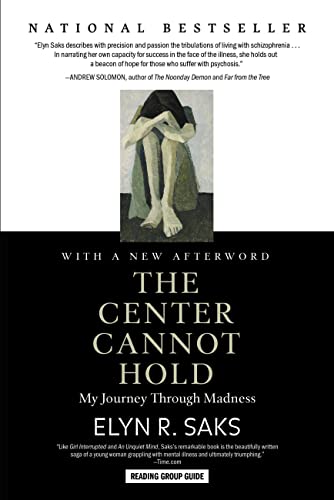
by Elyn R. Saks
Saks provides a powerful, firsthand account of living with schizophrenia, mirroring the terrifying loss of self and reality that Cahalan describes in her own medical crisis. It is a harrowing, transformative story about navigating the healthcare system while fighting for one's own mind.

This memoir explores the sudden, shocking mental breakdown of a loved one and the subsequent search for answers, echoing the medical mystery and family trauma found in 'Brain on Fire.' It is a deeply analytical and emotional examination of how a family copes when the world falls apart.

Love to read on the go?
Explore Kindle e-readers and take your books with you.
As an Amazon Associate, we earn from qualifying purchases.

Fans of Cahalan's exploration of psychiatric wards and diagnosis will appreciate this classic account of a young woman's stay in a mental institution. It captures the confusion of losing one's grip on reality and the struggle to define sanity in a clinical setting.
Actually, since the user asked for similar books, let's pivot to 'The Collected Schizophrenias' by Esmé Weijun Wang, which offers a similarly rigorous, investigative approach to mental health. It combines personal experience with deep research, much like Cahalan's journalistic style in her own work.

This book masterfully blends medical history with a deeply personal family narrative, much like the investigative journalism Cahalan employed to understand her own illness. It is a gripping exploration of a family dealing with a mysterious, devastating condition that defies easy explanation.

by Erik Larson
While this is historical non-fiction, it shares the 'medical mystery' and 'race against time' pacing that makes 'Brain on Fire' so addictive to read. It captures a similar sense of dread and the feeling that something is horribly wrong beneath the surface of everyday life.

This seminal memoir captures the raw, unfiltered experience of a young woman struggling with mental health issues in a way that feels very similar to Cahalan's voice. It is a frank, sometimes difficult, but essential read for those interested in the subjective experience of psychiatric struggle.

Taylor provides a fascinating, scientific, yet deeply spiritual account of her own brain trauma, which will appeal to readers who enjoyed Cahalan's curiosity about her own neurological condition. It offers a unique 'insider' perspective on what happens when the brain stops functioning normally.

Not sure what they've already read?
Let them pick their next favorite with an Amazon Gift Card.
As an Amazon Associate, we earn from qualifying purchases.
As an Amazon Associate, we earn from qualifying purchases.