

Based on your book
Brave New World
by Huxley, Aldous
Brave New World presents a future where the human cost of stability is paid in the currency of individuality. In a society engineered from the test tube up and kept docile through mandatory consumption and a mood-altering drug called soma, suffering has been technically eliminated. The story centers on an outsider who arrives in this sterile paradise, acting as a mirror that forces the reader to confront the emptiness beneath the glossy surface. The prose is sharp and bitingly satirical, creating a reading experience that feels less like a traditional novel and more like an intellectual trap. It is a slow-burn meditation on the trade-offs between comfort and truth. This is essential for readers who enjoy questioning the status quo and who prefer their fiction to be more philosophical than action-oriented.
10 Books similar to 'Brave New World'
Since Brave New World is less about external conflict and more about the internal rot of a managed society, I have selected these ten titles to explore the different ways a state can exert control. Whether it is through the technological automation in Player Piano or the psychological conditioning found in A Clockwork Orange, these books tackle the same tension between human agency and systemic order. If you found the clinical nature of Huxley's world unsettling, these stories will further challenge your perspective on how we balance our personal freedom against the demands of collective stability.
As an Amazon Associate, we earn from qualifying purchases.

Often paired with Huxley's work, this novel offers a darker, more oppressive vision of a future society. It explores similar themes of government control, loss of individuality, and the manipulation of truth, making it essential reading for any fan of dystopian literature.

by Ray Bradbury
This classic explores a society where critical thinking and literature are suppressed in favor of mindless entertainment, mirroring Huxley's critique of consumerism and distraction. It features a protagonist who undergoes a profound awakening, much like the characters in Brave New World.

Atwood provides a chilling examination of a theocratic regime that exerts total control over human reproduction and identity. Readers will appreciate the deep social commentary and the claustrophobic atmosphere that defines this terrifyingly plausible future.

As the primary inspiration for both Huxley and Orwell, this novel depicts a mathematical, logic-driven society where individuality is considered a disease. It is a foundational text of the genre that perfectly captures the tension between human desire and state-mandated conformity.

Not sure what they've already read?
Let them pick their next favorite with an Amazon Gift Card.
As an Amazon Associate, we earn from qualifying purchases.

This novel presents a more subtle, emotional take on a dystopian society where the characters are bred for a specific, tragic purpose. Its quiet, melancholic tone and exploration of what it means to be human will resonate deeply with fans of Huxley's ethical inquiries.

Le Guin masterfully contrasts an anarchist society with a capitalist one, exploring the trade-offs of freedom and security. It offers the same level of intellectual rigor and political philosophy found in Brave New World, but with a more hopeful, analytical lens.
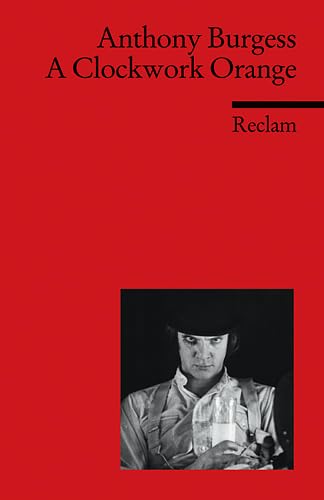
This book explores the terrifying intersection of state-mandated behavior modification and free will, echoing Huxley's concerns about conditioning. It is a visceral, challenging read that forces the audience to question the morality of forced virtue.
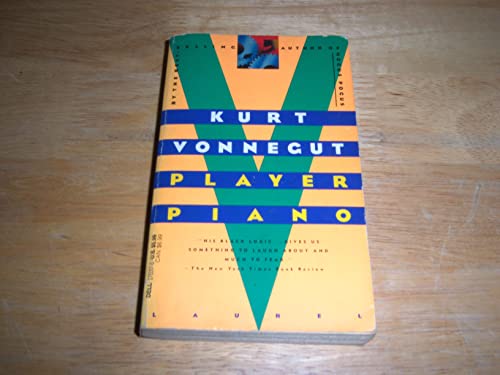
Vonnegut's debut novel presents a highly automated society where human labor has been rendered obsolete by machines, leading to a profound crisis of purpose. It shares Huxley's satirical wit and concern regarding the dehumanizing effects of technological advancement.

by Dave Eggers
This modern take on the dystopian genre examines the dangers of a world where total transparency and social media connectivity are mandatory. It serves as a contemporary spiritual successor to Huxley, highlighting how voluntary surveillance can be just as oppressive as state control.

Often considered the 'utopian' counterpart to Brave New World, this was Huxley's final novel and presents his vision of an ideal society. It is the perfect companion piece, allowing readers to see how the author grappled with the same themes of conditioning and society from the opposite perspective.

Prefer to listen?
Try Audible and hear the story instead of reading it.
As an Amazon Associate, we earn from qualifying purchases.
As an Amazon Associate, we earn from qualifying purchases.