

Based on your book
Buddenbrooks
by Mann, Thomas
Buddenbrooks tracks the slow, inevitable erosion of a prominent merchant family across four generations. Thomas Mann captures the transition from the robust, practical vitality of the early patriarchs to the refined, fragile sensibility of their descendants, who find themselves increasingly ill-equipped for the demands of trade and public life. The reading experience is patient and deeply observant, built on the accumulation of small, domestic details that reveal the shifting currents of a family soul. It is a melancholic study of how wealth and social status can mask internal decay, and how the pursuit of artistic or personal sensitivity often comes at the cost of survival. This book is for the reader who enjoys long, character-driven sagas and wants to sit with the quiet tragedy of watching a legacy unravel over time.
10 Books similar to 'Buddenbrooks'
If the slow unraveling of the Buddenbrooks left you wanting more, these selections focus on the heavy weight of lineage and the friction between individual desire and social duty. We chose these titles because they echo that specific, aching nostalgia for a disappearing world. Whether you are interested in the stifling social hierarchies of Wharton, the crumbling imperial grandeur found in Roth or Lampedusa, or the sprawling provincial realism of Eliot, these works share a commitment to documenting how history eventually catches up with those who are trying desperately to preserve the status quo.
As an Amazon Associate, we earn from qualifying purchases.

Like Buddenbrooks, this monumental work chronicles the rise and fall of an upper-middle-class family over several generations, focusing on the tension between material wealth and personal happiness. It offers a similarly immersive, observational look at the rigid social structures and internal decay of a dynasty.

by Giuseppe Tomasi di Lampedusa
This novel captures the inevitable decline of the Sicilian aristocracy during the Risorgimento, mirroring Mann's exploration of a family losing its grip on power and relevance. The prose is deeply lyrical and contemplative, focusing on the passage of time and the fading of an era.

by Thomas Mann
For readers who appreciated Mann's intellectual depth and narrative voice in Buddenbrooks, his later masterpiece offers a more philosophical, yet equally immersive, exploration of European society on the brink of collapse. It shifts from the merchant class to a sanatorium, but maintains the same rigorous psychological analysis.

by George Eliot
Eliot’s masterpiece shares the sprawling, ensemble-cast structure of Buddenbrooks, depicting the interconnected lives of residents in a provincial town with unmatched psychological acuity. It is the gold standard for realistic, character-driven fiction that examines the moral dilemmas of daily life.

Prefer to listen?
Try Audible and hear the story instead of reading it.
As an Amazon Associate, we earn from qualifying purchases.

Wharton explores the rigid social hierarchy of New York high society with the same critical eye that Mann applied to the Lübeck bourgeoisie. It is a devastating portrait of a protagonist trapped by the expectations of her class and the tragic consequences of failing to conform.

This tetralogy provides a sweeping, complex look at the disintegration of the British landed gentry and the old world order during the First World War. Fans of Mann will appreciate the dense, modernist narrative style and the focus on characters struggling to maintain their integrity in a changing society.

by Joseph Roth
This novel is perhaps the closest thematic cousin to Buddenbrooks, chronicling the three-generation decline of the Trotta family against the backdrop of the crumbling Austro-Hungarian Empire. It balances a deep sense of nostalgia with a clear-eyed view of inevitable historical decay.

While more epic in scale and political in nature, this novel shares the intense focus on the individual caught within the crushing gears of history. Readers who loved the emotional weight and the sense of an era ending in Buddenbrooks will find a similar depth of character and tragic beauty here.

Wharton masterfully dissects the stifling social codes and family pressures of 1870s New York, echoing the claustrophobic atmosphere of the Buddenbrook household. It is a brilliant study of how societal expectations can stifle personal desire and lead to a lifetime of quiet resignation.
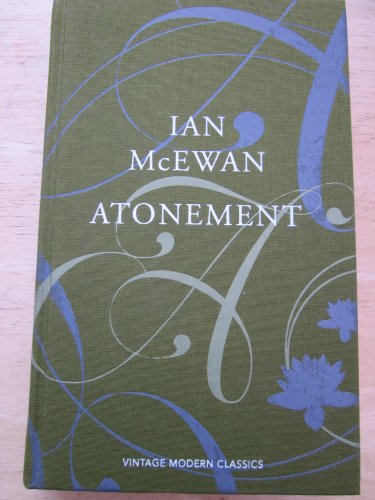
by Ian McEwan
McEwan’s narrative precision and focus on the long-term consequences of a single family's actions resonate with the structural integrity of Mann's work. It explores the themes of guilt, class, and the passage of time with a similar mastery of tone and character development.

Love to read on the go?
Explore Kindle e-readers and take your books with you.
As an Amazon Associate, we earn from qualifying purchases.
As an Amazon Associate, we earn from qualifying purchases.