

Based on your book
Butcher
by Oates, Joyce Carol
Joyce Carol Oates is rarely one to shy away from the jagged edges of the human experience, and Butcher is perhaps her most unflinching examination of the predatory mind. The story centers on a surgeon whose pursuit of medical advancement crosses into territory that is as ethically hollow as it is physically grotesque. Oates constructs a narrative that feels like a slow-moving trauma, forcing you to inhabit the clinical, cold perspective of a man who views other people as nothing more than biological material to be harvested. The prose is dense, suffocating, and relentlessly bleak, refusing to offer the reader any moral comfort or redemption. This is not a book for the casual reader; it is a punishing, intellectually demanding descent into the mechanics of power and sociopathy that will stay lodged in your subconscious long after you finish it.
10 Books similar to 'Butcher'
When you finish a book as harrowing as Butcher, you often find yourself looking for stories that mirror that same unsettling intersection of intellectual obsession and moral decay. We chose this list to highlight the specific ways authors dissect the dark side of human nature, whether through the lens of historical medical horror, the cold precision of a serial killer, or the slow erosion of a protagonist's conscience. These selections lean into the same themes of power dynamics and the grotesque, offering a bridge for those who want to continue exploring the limits of the human psyche.
As an Amazon Associate, we earn from qualifying purchases.
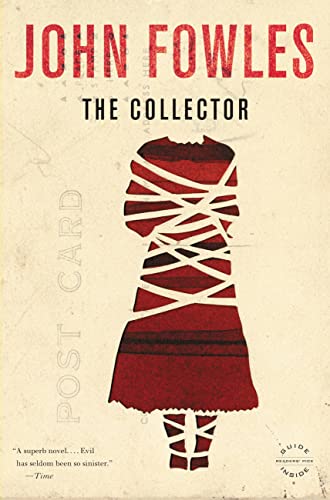
by John Fowles
Much like Oates's exploration of obsession and power in Butcher, Fowles delves into the chilling psychology of a kidnapper and his victim. The narrative tension and the disturbing examination of control make this a perfect companion piece.

This novel mirrors the visceral, grotesque, and historical focus found in Butcher, centering on a man whose obsession leads him to commit horrific acts. It is a masterclass in atmospheric, disturbing literary fiction that examines the darkness of the human psyche.

Fans of the medical and psychological horror in Butcher will appreciate the intellectual cat-and-mouse game between the protagonist and a brilliant, monstrous antagonist. It balances high-stakes suspense with deep, character-driven psychological analysis.

Flynn’s work, much like Oates's, excels at dissecting dysfunctional family dynamics and the trauma that festers beneath the surface of seemingly normal lives. The gritty, uncomfortable atmosphere will resonate strongly with readers of Butcher.

Not sure what they've already read?
Let them pick their next favorite with an Amazon Gift Card.
As an Amazon Associate, we earn from qualifying purchases.

by Erik Larson
This narrative non-fiction reads like a thriller, juxtaposing the grandeur of the 1893 World's Fair with the chilling, calculated murders of H.H. Holmes. It captures the same intersection of historical progress and horrific, predatory violence found in Butcher.

For readers drawn to the extreme, transgressive nature of Butcher, this novel offers a similarly unflinching look at violence, status, and the hollowness of the human condition. It is a polarizing, stylistic descent into madness that demands a strong stomach.

Shriver shares Oates's ability to create deeply unsettling, introspective narratives that force the reader to confront uncomfortable truths about morality and nature versus nurture. The epistolary structure builds a relentless sense of dread.

by Caleb Carr
Set in 19th-century New York, this historical thriller mirrors the medical and scientific obsessions present in Butcher, focusing on the early days of psychological profiling. It is a dark, intellectual pursuit of a killer that fans of historical horror will enjoy.

While stylistically distinct, Morrison’s exploration of the haunting, physical, and psychological legacy of violence aligns with Oates's thematic concerns. It is a profound, disturbing, and lyrical examination of how the past refuses to stay buried.

by Donna Tartt
Tartt explores the slow erosion of morality within a small, insular group, echoing the way Butcher examines the corruption of power and intellect. The atmosphere is thick with dread, intellectual pretension, and the inevitable consequences of hubris.

Prefer to listen?
Try Audible and hear the story instead of reading it.
As an Amazon Associate, we earn from qualifying purchases.
As an Amazon Associate, we earn from qualifying purchases.