
![[By Jim Harter ] First, Break All The Rules](https://m.media-amazon.com/images/I/41TKLeEVK+L._SL500_.jpg)
Based on your book
[By Jim Harter ] First, Break All The Rules
by unknown author
First, Break All The Rules is built on a massive Gallup study that completely flipped the script on traditional management. Instead of focusing on fixing weaknesses or enforcing rigid corporate protocols, the authors argue that the best managers prioritize individual strengths and clear expectations. The reading experience is clinical yet incredibly empowering; it feels like a long, intellectual conversation with a researcher who has seen enough data to prove that your intuition about people is actually a science. It is not a fluffy self-help manual, but rather a demanding, analytical look at how to get the best out of a team by treating employees as unique assets rather than cogs. This is for the reader who wants to dismantle outdated HR tropes and replace them with evidence-based strategies that actually foster human engagement and long-term success.
10 Books similar to '[By Jim Harter ] First, Break All The Rules'
If the data-backed approach of this book resonated with you, these selections focus on the same shift toward human-centric leadership. We chose these titles because they move beyond standard corporate dogma, prioritizing psychological safety, personal autonomy, and the power of individual strengths. Whether you are interested in the behavioral science behind team performance found in Drive or the practical, strength-focused application of StrengthsFinder 2.0, these books provide a toolkit for leaders who want to stop managing by the book and start building environments where talent actually thrives through trust and clarity.
As an Amazon Associate, we earn from qualifying purchases.

Like 'First, Break All the Rules,' this book challenges conventional wisdom about management and employee engagement. It provides a data-driven, analytical look at how autonomy, mastery, and purpose are the true drivers of performance, making it essential reading for anyone interested in modern organizational psychology.

by Jim Collins
This classic business text mirrors the research-heavy approach of Gallup's management studies by identifying the specific, counter-intuitive traits that separate truly great organizations from the rest. It is a must-read for leaders looking to apply evidence-based strategies to build sustainable, high-performing teams.

While written as a business fable, this book tackles the same core issue as 'First, Break All the Rules': the human element of management. It provides a practical framework for understanding the interpersonal dynamics that either destroy or elevate a team's potential.

by Marcus Buckingham and Ashley Goodall
Written by one of the original authors of 'First, Break All the Rules,' this book serves as a spiritual successor that deconstructs outdated corporate dogma. It encourages managers to stop following standard HR practices and instead focus on the unique strengths of their individual employees.

Love to read on the go?
Explore Kindle e-readers and take your books with you.
As an Amazon Associate, we earn from qualifying purchases.
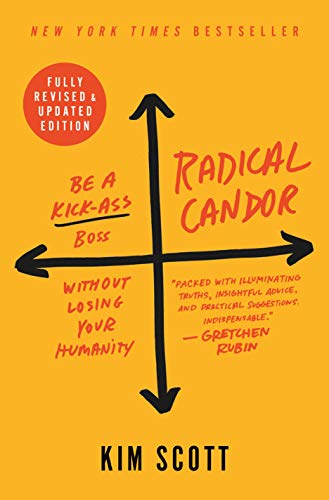
by Kim Scott
This book bridges the gap between the data-driven management style of Gallup and the need for genuine, human-centric leadership. It offers actionable advice on how to care personally while challenging directly, a concept that aligns perfectly with the 'strengths-based' management philosophy.
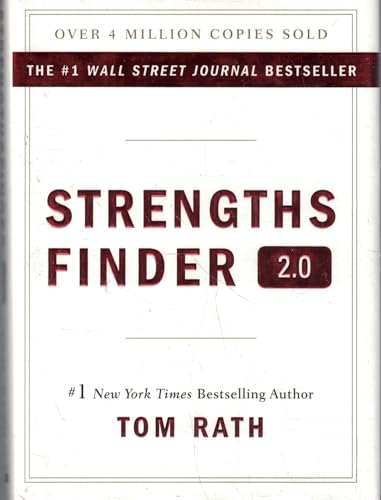
by Tom Rath
This is the direct companion to the Gallup methodology popularized in 'First, Break All the Rules.' It provides the individual assessment tools necessary to put the management philosophy of focusing on strengths into daily practice.

by Liz Wiseman
This book explores the specific behaviors that leaders use to either diminish or multiply the intelligence and capability of their teams. It shares the same 'manager-as-catalyst' perspective found in 'First, Break All the Rules,' focusing on how to extract the best from people.

by Laszlo Bock
Bock offers a fascinating, data-rich look at how one of the world's most successful companies manages its talent. Fans of the empirical, research-backed approach in 'First, Break All the Rules' will appreciate the blend of behavioral science and practical management application.

This book argues that trust is the hidden variable that determines the success of any organization, much like how 'First, Break All the Rules' identifies the manager-employee relationship as the critical variable. It is a deep dive into the 'soft skills' that drive hard results.

by Simon Sinek
Sinek focuses on the biological and psychological need for safety and trust within a team, mirroring the focus on human-centric management found in Gallup's research. It is an essential read for understanding why certain management styles create high engagement while others fail.

Not sure what they've already read?
Let them pick their next favorite with an Amazon Gift Card.
As an Amazon Associate, we earn from qualifying purchases.
As an Amazon Associate, we earn from qualifying purchases.