
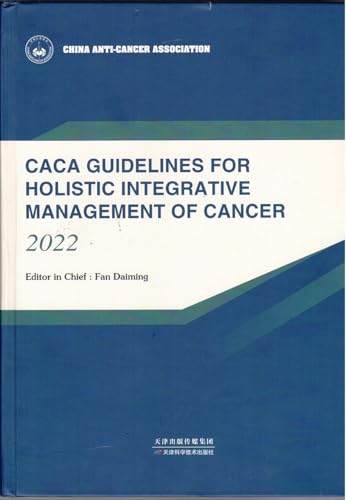
Based on your book
Caca Guidelines for Holistic integrative management of Cancer 2022
by Fan, Daiming
The CACA Guidelines for Holistic integrative management of Cancer 2022 represents a formidable shift in how we conceptualize oncology. Rather than viewing cancer solely as a cellular malfunction to be eradicated, Fan Daiming and his contributors propose a multidimensional framework that emphasizes the patient as a whole entity. The text is dense, clinical, and unapologetically analytical, requiring a reader who is ready to engage with complex medical data and systematic protocols. It moves away from the standard Western-centric clinical focus, instead weaving together lifestyle intervention, physiological balance, and rigorous evidence-based management. You will not find narrative fluff here; the pacing is methodical and precise. This book is intended for patients, caregivers, or practitioners who demand a comprehensive, intellectual map of cancer management and are willing to invest the mental energy to decode its sophisticated, integrative philosophy.
10 Books similar to 'Caca Guidelines for Holistic integrative management of Cancer 2022'
Since the CACA guidelines demand such a high level of intellectual engagement, the following titles were chosen to round out that experience. If you found the technical rigor of Fan Daiming’s work compelling, you will appreciate the metabolic focus of Seyfried or the historical context provided by Mukherjee. For readers seeking to bridge the gap between these clinical strategies and the actual patient experience, works by Kalanithi and Gawande provide the necessary humanistic balance. These selections collectively explore the interplay of lifestyle, biology, and medicine, offering a complete library for those committed to an informed, holistic approach to survival.
As an Amazon Associate, we earn from qualifying purchases.
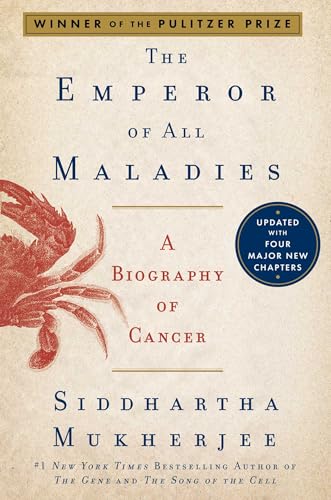
Like the CACA guidelines, this book provides a comprehensive, authoritative look at cancer management, though it blends historical narrative with clinical science. It offers readers a deep, intellectual dive into the history and future of oncology treatments.
by Donald I. Abrams and Andrew T. Weil
This text serves as a foundational resource for the integrative approach to cancer care, mirroring the holistic philosophy found in the CACA guidelines. It bridges the gap between conventional medicine and evidence-based complementary therapies.

While more memoir-driven than clinical, this book offers a profound, poignant perspective on the patient experience of cancer, which complements the clinical guidelines by humanizing the disease. It explores the intersection of life, death, and medical practice.

This book shares the CACA guidelines' focus on lifestyle and holistic management, advocating for an integrative approach to cancer prevention and treatment. It is essential reading for those looking to understand how environment and daily habits impact oncological outcomes.

Love to read on the go?
Explore Kindle e-readers and take your books with you.
As an Amazon Associate, we earn from qualifying purchases.

by T. Colin Campbell and Thomas M. Campbell II
Focusing on the relationship between diet and chronic disease, this book provides the nutritional context often discussed in holistic cancer management strategies. It offers a data-driven, analytical look at how lifestyle choices influence long-term health.

This book investigates cases of 'radical remission,' providing a complementary perspective to the structured guidelines of the CACA by exploring the factors that contribute to exceptional patient outcomes. It aligns with the holistic interest in integrative healing.

Readers interested in the CACA guidelines' holistic approach will appreciate this exploration of how mindset and environment influence biological health. It challenges conventional medical paradigms by examining the intersection of science and consciousness.
Providing a rigorous scientific counterpoint to traditional oncology, this book explores the metabolic theory of cancer, offering the same level of technical depth as the CACA guidelines. It is perfect for readers seeking a deep, analytical understanding of cancer pathophysiology.
This book directly mirrors the intent of the CACA guidelines by providing a practical, integrative roadmap for patients navigating cancer treatment. It translates complex medical information into actionable advice for holistic management.
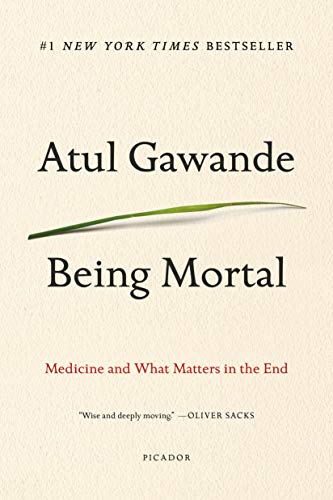
by Atul Gawande
Gawande’s work is a masterful critique of modern medicine's approach to terminal illness, resonating with the CACA guidelines' desire to improve the quality of life and holistic management of cancer patients. It provides a necessary, compassionate lens on clinical care.

Not sure what they've already read?
Let them pick their next favorite with an Amazon Gift Card.
As an Amazon Associate, we earn from qualifying purchases.
As an Amazon Associate, we earn from qualifying purchases.