

Based on your book
Can You Make a Happy Face?
by Behrens, Janice
Janice Behrens turns the mirror on the reader in this charming exploration of human expression. At its core, the book functions as an interactive guide that invites children to experiment with their own facial muscles to reflect specific emotions. The pacing is deliberate and gentle, allowing young readers the space to mimic a smile, a frown, or a look of surprise before moving to the next page. It feels less like a traditional story and more like a shared conversation between the book and the child. The atmosphere is warm and encouraging, stripping away the complexity of adult social cues to make emotional intelligence feel accessible and fun. This is an ideal pick for parents and educators looking to build a vocabulary of feelings with toddlers who are just beginning to navigate their own internal worlds.
10 Books similar to 'Can You Make a Happy Face?'
Since you enjoyed the way Behrens turns emotional learning into a playful, interactive game, these ten titles are natural next steps for your home library. We selected these books because they share that same commitment to emotional literacy, using everything from colorful monsters to expressive vegetables to help children identify their moods. Whether you want to focus on the physical sensations of being upset or simply want to practice reading social cues, these picks reinforce the idea that every feeling is valid, normal, and worthy of a name.
As an Amazon Associate, we earn from qualifying purchases.

by Todd Parr
Like Behrens' work, this book uses bold, simple illustrations and direct questions to help young children identify and validate a wide range of emotions. It shares the same gentle, supportive tone that encourages emotional literacy in early readers.

by Ed Emberley
This interactive book uses masks and colors to teach children about complex feelings in a way that feels safe and playful. Fans of the interactive nature of 'Can You Make a Happy Face?' will appreciate how this book invites the reader to physically engage with the content.

by Dr. Seuss
Using color as a metaphor for mood, this book provides a lyrical and accessible way for children to understand that feelings are fluid and natural. It echoes the core educational goal of Behrens' work while offering a more poetic narrative style.

by Anna Llenas
This beautifully illustrated pop-up book helps children sort through tangled emotions, making it a perfect follow-up for those who enjoy learning about facial expressions and feelings. Its structured approach to emotional regulation mirrors the simplicity and clarity found in Behrens' writing.

Not sure what they've already read?
Let them pick their next favorite with an Amazon Gift Card.
As an Amazon Associate, we earn from qualifying purchases.

This book serves as a practical, gentle guide for toddlers navigating social interactions and self-control, much like how Behrens' book guides children through facial expressions. It provides clear, positive reinforcement that is essential for early childhood development.

Using fruits and vegetables to create expressive faces, this book is visually hilarious and highly effective at teaching children to read social cues. Readers who enjoy the focus on facial expressions in Behrens' work will find this creative approach both entertaining and educational.
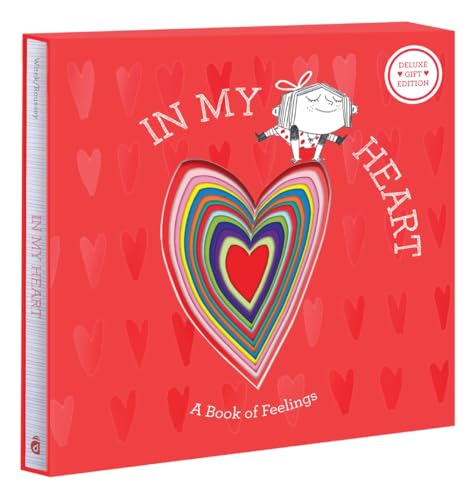
by Jo Witek
This book explores the physical sensations and emotional depth of feelings, offering a slightly more nuanced look at the concepts introduced in 'Can You Make a Happy Face?'. It is perfect for readers looking to expand their emotional vocabulary in a gentle, lyrical way.

by Michael Dahl
Focusing on the specific skill of emotional regulation, this book provides a relatable narrative for children learning to manage big feelings. It shares the same goal as Behrens' book: providing children with the tools to understand and express themselves healthily.
This book uses an alphabet format to explore a vast array of emotions, encouraging readers to think about how they feel on any given day. It pairs perfectly with Behrens' work for parents and educators building a library centered on emotional intelligence.

by Gabi Garcia
This book connects physical sensations to emotions, providing a holistic approach to understanding feelings that builds upon the foundational lessons in 'Can You Make a Happy Face?'. It is an excellent resource for children learning to bridge the gap between body and mind.

Prefer to listen?
Try Audible and hear the story instead of reading it.
As an Amazon Associate, we earn from qualifying purchases.
As an Amazon Associate, we earn from qualifying purchases.