

Based on your book
Can You See Me?
by Scott, Libby
Tally is starting middle school, a transition that feels less like a new beginning and more like a high-stakes performance. To her classmates, she is just another student, but internally, she is working overtime to mask her autism, suppressing sensory needs and social instincts to fit into a mold that never quite fits. Co-authored by Libby Scott, who is herself autistic, the narrative offers a raw, unfiltered look at the exhausting labor of neurodivergent identity. The pacing is intimate and steady, mirroring the sensory overload and quiet triumphs of Tallys daily life. This is a gentle yet firm coming-of-age story for anyone who has ever felt like they were acting in a play where they were never given the script. It is essential reading for readers seeking a realistic, empathetic portrayal of the struggle to be seen for who you truly are.
10 Books similar to 'Can You See Me?'
Since Tallys story resonates so deeply because of its honest look at the neurodivergent experience, these selections were curated to bridge the gap between internal struggles and external social worlds. Whether you are looking for more stories about the exhausting social rules of middle school or narratives that capture the sensory reality of being an outsider, these books hit those same emotional notes. They all prioritize authentic voices, focusing on the courage it takes to advocate for oneself and the relief of finding people who finally understand your unique perspective.
As an Amazon Associate, we earn from qualifying purchases.

Like 'Can You See Me?', this novel features an autistic protagonist navigating the challenges of school and social expectations while advocating for her own identity. It shares the same authentic, empowering voice that highlights the importance of being true to oneself despite external pressures.

by R.J. Palacio
This book captures the intense social dynamics of middle school and the struggle to be seen for who you are rather than how you appear. Fans of Tally's journey will resonate with the themes of empathy, friendship, and the courage required to navigate a world that doesn't always understand you.

Told from the perspective of an autistic girl named Caitlin, this story mirrors the internal monologue and sensory experiences found in 'Can You See Me?'. It deals with grief and the complexities of social interaction with a similar blend of honesty and emotional depth.
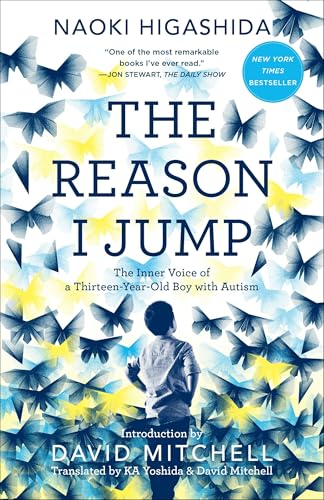
While non-fiction, this book provides a profound, first-hand insight into the mind of a non-verbal autistic person, offering the same kind of 'behind the curtain' perspective that Libby Scott brings to her writing. It is essential reading for anyone who wants to understand the neurodivergent experience beyond the surface.

Not sure what they've already read?
Let them pick their next favorite with an Amazon Gift Card.
As an Amazon Associate, we earn from qualifying purchases.

by Cynthia Lord
This story explores the complexities of siblings and the social 'rules' that neurodivergent children often have to learn to navigate. It shares the same gentle, realistic tone as 'Can You See Me?' and focuses on the beauty of unconventional friendships.

by Sarah Kapit
Written in an epistolary format, this book features an autistic protagonist who loves baseball and is determined to prove her capabilities. It echoes Tally's desire for independence and the frustration of being underestimated by peers and adults alike.

Willow Chance is a quirky, neurodivergent protagonist who struggles to fit into the standard social mold, much like Tally. The book beautifully handles themes of finding one's 'found family' and the resilience required to navigate life's unexpected tragedies.

by Sally J. Pla
Charlie, the protagonist, is autistic and struggles with change, anxiety, and sensory overload while on a cross-country road trip. Readers who appreciated the authentic depiction of Tally's daily sensory management will find Charlie's journey deeply relatable and well-researched.

Nova is a non-verbal autistic girl waiting for her sister to return, navigating the foster care system with a unique, internal perspective. It shares the emotional weight and the 'outsider' narrative voice that makes 'Can You See Me?' so compelling.

While the protagonist has dyslexia rather than autism, the core struggle of feeling 'different' and 'stupid' in a classroom setting is identical to Tally's experience. It is a powerful story about finding your own way to learn and the importance of supportive friendships.

Prefer to listen?
Try Audible and hear the story instead of reading it.
As an Amazon Associate, we earn from qualifying purchases.
As an Amazon Associate, we earn from qualifying purchases.