
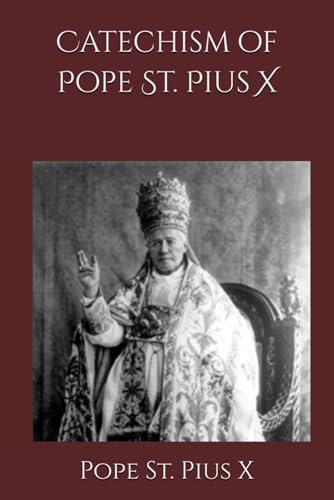
Based on your book
Catechism of Pope St. Pius X
by X, Pope St. Pius
The Catechism of Pope St. Pius X functions as a rigorous, no-nonsense map of Catholic belief. Stripped of modern fluff, it relies on a sharp question-and-answer format to distill complex theological arguments into clear, objective truths. Reading this feels less like a casual browse and more like a focused intellectual workout; the prose is sparse, authoritative, and demandingly logical. It does not attempt to woo you with sentimentality, but rather challenges you to align your worldview with a precise set of doctrines. You will not find narrative arcs or character development here, but instead a stark, bracing encounter with the principles that have shaped Western moral philosophy for centuries. This text is for the reader who values intellectual clarity over comfort and wants to understand the bedrock of traditional faith without the filter of contemporary interpretation.
10 Books similar to 'Catechism of Pope St. Pius X'
When you finish this catechism, you are likely looking for works that either deepen your doctrinal foundation or help you bridge the gap between abstract dogma and the messy reality of daily life. Our selections prioritize this balance, pairing the structural rigor you enjoyed with texts that explore the interior life, historical context, and the philosophical implications of faith. Whether you want the historical depth of the Council of Trent or the witty, paradox-filled apologetics of Chesterton, these books maintain the same uncompromising commitment to truth that defines the Pius X experience.
As an Amazon Associate, we earn from qualifying purchases.

As the foundational text for post-Reformation Catholic teaching, this work shares the same authoritative, instructional structure as the Catechism of Pope St. Pius X. It provides the deeper theological context and historical precedent that fans of Pius X's concise style will find essential for their library.

While Pius X provides the 'what' of the faith, St. Francis de Sales provides the 'how' for living it out in daily life. Readers will appreciate the same uncompromising orthodoxy paired with a gentle, accessible tone that guides the soul toward holiness.

This classic text aligns perfectly with the traditional Catholic spirituality found in Pius X's catechism, emphasizing the interior life and obedience to God. It shares a similar focus on stripping away worldly distractions to focus on essential doctrinal and spiritual truths.
Often considered the spiritual successor to the Pius X catechism, this book expands upon the question-and-answer format with vivid illustrations and clearer explanations. It is the perfect bridge for readers who want the same doctrinal rigor but with more comprehensive pedagogical support.

Not sure what they've already read?
Let them pick their next favorite with an Amazon Gift Card.
As an Amazon Associate, we earn from qualifying purchases.

by Karl Adam
This book offers a deeper, more analytical exploration of the truths presented in the catechism, providing a robust defense of the Catholic worldview. Fans of Pius X will appreciate the intellectual rigor and the clear, uncompromising articulation of the Church's nature.
Chesterton provides a brilliant, witty, and passionate defense of the very dogmas that the Pius X catechism outlines. Readers will enjoy seeing the 'dry' facts of the catechism brought to life through Chesterton's vivid, paradoxical, and imaginative prose.

This work serves as a historical and philosophical companion to the catechism, tracing the story of humanity in light of the Catholic faith. It shares the same conviction that the Church is the central, objective truth of history, appealing to readers who value traditionalist perspectives.
For those who appreciate the Q&A format of Pius X, the Baltimore Catechism is the classic American counterpart that covers the same essential ground. It is highly structured, easy to memorize, and serves as a foundational text for traditional religious education.

This book acts as a practical application of the truths found in the catechism, emphasizing that one cannot effectively share the faith without first deepening one's own interior life. It shares the same uncompromising focus on spiritual discipline and doctrinal purity.

While more narrative than the catechism, St. Augustine's journey toward the very truths codified in Pius X's work provides the necessary emotional and intellectual context for the faith. It is the ultimate testament to the transformative power of the doctrines taught in the catechism.

Prefer to listen?
Try Audible and hear the story instead of reading it.
As an Amazon Associate, we earn from qualifying purchases.
As an Amazon Associate, we earn from qualifying purchases.