

Based on your book
Centroeuropa
by Mora, Vicente Luis
Vicente Luis Mora's Centroeuropa is a dense, cerebral examination of the intellectual and political ghosts that haunt the heart of the continent. Rather than offering a linear historical narrative, the book functions as a philosophical collage, dissecting the ideological fractures and cultural upheavals that defined the twentieth century. Reading it feels like navigating a labyrinth; the prose is precise, demanding, and deeply atmospheric, favoring long, meditative stretches of introspection over traditional plot beats. You will find yourself constantly questioning the nature of memory and the way grand political structures grind individual identity into dust. This is not a book for those seeking a quick escape. It is a rigorous, rewarding experience for the reader who enjoys literature that functions as both a historical inquiry and a structural experiment, perfect for anyone who finds the interplay between philosophy and power to be the most compelling subject of all.
10 Books similar to 'Centroeuropa'
The books we have selected mirror the specific intellectual weight and experimental spirit of Centroeuropa. If you found yourself tethered to Mora's exploration of fragmented history, you will appreciate how authors like Sebald, Vollmann, and Musil treat the European landscape as a site of deep, enduring trauma. These recommendations move beyond simple storytelling, focusing instead on how complex narrative structures can mirror the chaos of the human experience. Whether through the lens of architectural memory, existential dread, or historical irony, these works share a commitment to examining the rise and fall of civilizations with uncompromising honesty.
As an Amazon Associate, we earn from qualifying purchases.

by W.G. Sebald
Like Mora's work, this book blurs the lines between fiction, travelogue, and historical meditation. It shares a deep, melancholic obsession with the weight of European history and the fragmented nature of memory.

Fans of Mora's experimental, introspective, and highly literary prose will appreciate Pessoa's fragmented, philosophical exploration of the self. It mirrors the intense intellectual rigor and existential questioning found in 'Centroeuropa'.

This massive, ambitious novel shares the same thematic preoccupation with the tragedies of 20th-century Europe. It matches Mora's intellectual intensity and willingness to tackle complex political history through a dense, challenging narrative structure.
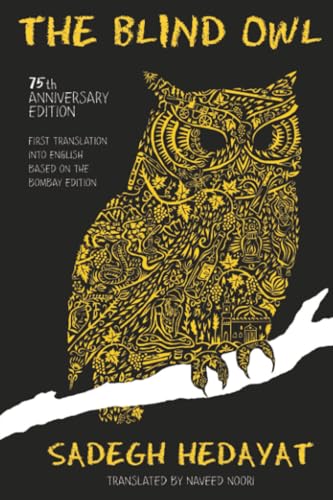
For readers drawn to the surreal and psychological depths of Mora's writing, this classic offers a similarly haunting, claustrophobic atmosphere. It explores the disintegration of identity and reality with a dark, lyrical intensity.

Love to read on the go?
Explore Kindle e-readers and take your books with you.
As an Amazon Associate, we earn from qualifying purchases.

by W.G. Sebald
This novel is a cornerstone for readers interested in the intersection of architectural history, personal trauma, and European identity. Its slow, meditative pacing and deep historical inquiry resonate strongly with the themes of 'Centroeuropa'.

by Robert Musil
This monumental work of modernist literature captures the decline of the Austro-Hungarian Empire, providing a direct thematic ancestor to the concerns in Mora's novel. It is essential reading for anyone interested in the philosophical underpinnings of Central European history.

Mora's readers often enjoy experimental structures; this non-linear, dictionary-style novel offers a similarly challenging and rewarding puzzle. It explores history, myth, and cultural identity through a unique, fragmented lens.

Bernhard's relentless, rhythmic, and obsessive prose style will appeal to those who admire Mora's linguistic precision. The book's cynical, biting examination of art and failure provides a similar emotional and intellectual weight.

Set against the backdrop of the Prague Spring, this novel masterfully blends philosophical inquiry with personal narrative. It echoes Mora's interest in how grand historical forces shape individual lives and moral choices.
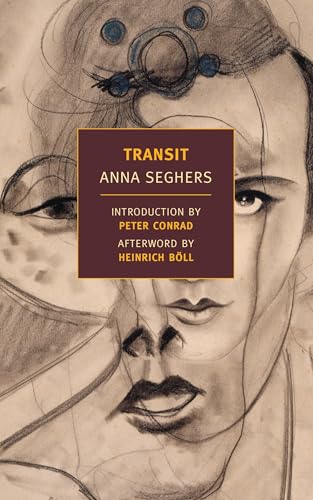
by Anna Seghers
This novel captures the disorientation and existential dread of refugees in occupied France, mirroring the themes of displacement and historical trauma found in 'Centroeuropa'. Its narrative voice is both urgent and profoundly observational.

Not sure what they've already read?
Let them pick their next favorite with an Amazon Gift Card.
As an Amazon Associate, we earn from qualifying purchases.
As an Amazon Associate, we earn from qualifying purchases.