

Based on your book
Changing World Order
by Ray Dalio
Ray Dalio's "Changing World Order" offers a sweeping, data-rich journey through the grand cycles of history, from the rise and fall of empires to the shifting dynamics of global economic and political power. He meticulously dissects the underlying forces—debt, innovation, conflict, and currency—that have consistently driven these monumental shifts over centuries. Reading this book feels like sitting down with a seasoned historian and economist who’s laid out all their research on a massive table, inviting you to connect the dots. It’s a deeply analytical and thought-provoking experience, dense with insights that challenge conventional wisdom and prompt you to reconsider the present through the lens of the past. This is a book for the intellectually curious, for anyone who enjoys dissecting complex systems and understanding the big picture of how the world really works, and where it might be headed.
10 Books similar to 'Changing World Order'
If you found yourself engrossed by Ray Dalio's masterful analysis of historical cycles and power shifts, our curated list will continue that journey. We've chosen books that similarly offer a grand, analytical perspective on the forces shaping civilizations. You'll find other deep dives into the rise and fall of nations, the intricate power dynamics that govern societies, and the underlying economic and cultural factors that drive long-term change. These recommendations share Dalio's intellectual rigor and commitment to understanding the big picture, inviting you to explore more thought-provoking examinations of history, economics, and human development.
As an Amazon Associate, we earn from qualifying purchases.

by Paul Kennedy
Kennedy's seminal work meticulously analyzes the interplay between economic strength and military power in the rise and decline of great nations over five centuries. Readers who appreciate Dalio's macro-historical perspective on empire cycles and the forces shaping global order will find this a foundational and deeply resonant read.

While broader in scope, Harari's book offers a grand narrative of human history, examining the large-scale forces that have shaped civilizations, much like Dalio's approach to economic and political cycles. It encourages a similar big-picture, analytical mindset, prompting readers to reconsider fundamental assumptions about societal development.

Diamond explores the deep historical and geographical factors that have influenced the success and failure of civilizations across continents. Its data-driven, systemic analysis of why societies developed differently resonates with Dalio's method of identifying underlying patterns and causal relationships in the 'changing world order'.

Graeber's expansive historical and anthropological study of debt challenges conventional economic narratives, delving into how debt has shaped societies and power structures over millennia. This deep dive into foundational economic concepts and their societal implications will appeal to those who appreciate Dalio's critical examination of economic systems.

Not sure what they've already read?
Let them pick their next favorite with an Amazon Gift Card.
As an Amazon Associate, we earn from qualifying purchases.

Taleb's work focuses on the profound impact of unpredictable, rare events on history, finance, and human affairs, challenging our understanding of risk and forecasting. Readers who appreciate Dalio's cautionary analysis of systemic vulnerabilities and the cyclical nature of crises will find Taleb's insights into extreme events highly complementary.
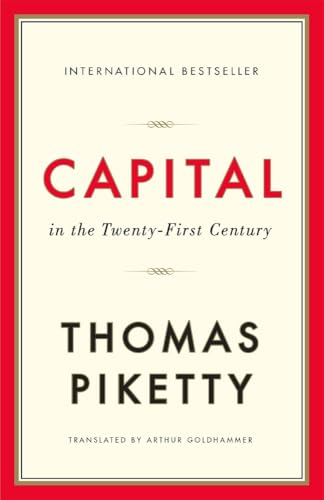
Piketty's monumental work uses extensive historical data to analyze the dynamics of wealth and income inequality across centuries, offering profound insights into the long-term trends of capitalism. Its rigorous, data-driven approach and focus on macro-economic forces will strongly appeal to readers who value Dalio's analytical depth and historical perspective on economic systems.

by Daron Acemoglu and James A. Robinson
This book explores the institutional factors that determine whether nations succeed or fail, drawing on a vast array of historical examples to build a compelling argument. Its focus on the underlying causes of national prosperity and decline aligns perfectly with Dalio's interest in the systemic drivers of changing world orders.

by Karl Polanyi
Polanyi's classic examines the historical emergence of the market economy and its profound social and political consequences, offering a critical perspective on the relationship between economic systems and society. Fans of Dalio's macro-historical and systemic analysis will appreciate this foundational text for understanding the evolution of global economic orders.

Diamond investigates the environmental and societal factors that have led to the collapse of past societies, offering crucial lessons for contemporary challenges. This book shares Dalio's emphasis on identifying systemic vulnerabilities and patterns of decline, providing a sobering, data-rich look at the fragility of civilizations.

Heilbroner's engaging narrative introduces the lives and ideas of the great economic thinkers, from Adam Smith to John Maynard Keynes, tracing the evolution of economic thought. For readers who appreciate the intellectual foundations behind Dalio's analysis of economic cycles and global shifts, this book offers essential historical context and a fascinating journey through influential theories.

Prefer to listen?
Try Audible and hear the story instead of reading it.
As an Amazon Associate, we earn from qualifying purchases.
As an Amazon Associate, we earn from qualifying purchases.