

Based on your book
Cheap Amusements
by Kathy Peiss
Kathy Peiss's "Cheap Amusements" takes you straight into the bustling, sometimes gritty, pleasure spots of turn-of-the-century New York City, seen through the eyes of young working women. This isn't just a historical account; it's a vibrant exploration of how these women, earning meager wages, carved out spaces for fun, courtship, and independence in dance halls, amusement parks, and nickelodeons. Peiss meticulously uncovers their daily lives, showing how their "cheap amusements" weren't frivolous, but crucial acts of agency that reshaped urban culture and gender relations. Reading it feels like a fascinating sociological investigation, offering a thoughtful, analytical dive into power dynamics and cultural clash. If you're someone who loves understanding history from the ground up, appreciating how individual choices contribute to massive social change, and enjoys a deep, intellectual engagement with the past, this book will be a rewarding experience.
10 Books similar to 'Cheap Amusements'
If "Cheap Amusements" resonated with your interest in the hidden histories of turn-of-the-century New York, you'll find much to appreciate in our curated list. Many of these books, like Jacob Riis's "How the Other Half Lives" and Stephen Crane's "Maggie: A Girl of the Streets," directly illuminate the harsh realities and vibrant subcultures of urban working-class life that Peiss explores. Others, such as "Sister Carrie" and "Bread Givers," offer fictionalized yet historically resonant narratives of women navigating social mobility, economic hardship, and the quest for independence in a rapidly changing world, echoing the power dynamics and cultural clashes at the heart of Peiss's analysis.
As an Amazon Associate, we earn from qualifying purchases.
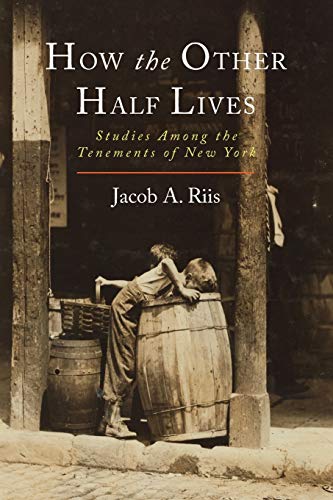
by Jacob Riis
This groundbreaking work offers a stark, contemporary look at the living conditions of the urban poor in late 19th-century New York City. Fans of "Cheap Amusements" will appreciate its vivid portrayal of working-class life and the social context that shaped women's leisure and survival.
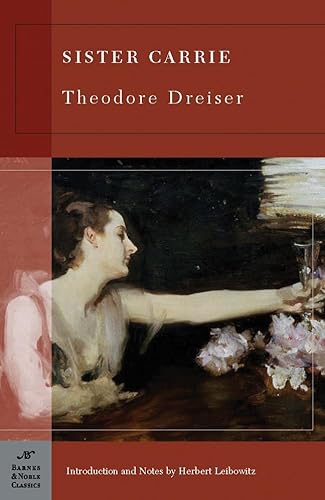
Dreiser's novel follows a young woman who moves to Chicago and then New York, exploring themes of consumerism, social mobility, and moral compromise in the burgeoning urban landscape. It perfectly complements "Cheap Amusements" by fictionalizing the very social forces and aspirations Peiss analyzes.
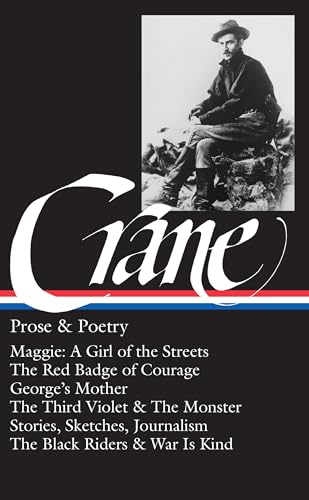
This naturalistic novel provides a raw and unflinching look at poverty, alcoholism, and the tragic fate of a young woman in the Bowery slums of late 19th-century New York. It offers a fictional, yet historically resonant, parallel to the harsh realities faced by the working-class women in "Cheap Amusements."
This non-fiction work directly explores the emergence and cultural impact of the "New Woman" during the same period as "Cheap Amusements." Readers will find a deeper understanding of the evolving roles, aspirations, and societal perceptions of women that Peiss touches upon.

Prefer to listen?
Try Audible and hear the story instead of reading it.
As an Amazon Associate, we earn from qualifying purchases.

This powerful novel chronicles the life of an ambitious young Jewish immigrant woman in early 20th-century New York, who rebels against traditional expectations to pursue education and independence. It offers a deeply personal narrative mirroring the struggles and agency of working-class women in "Cheap Amusements."
by Luc Sante
Sante's book delves into the seedy underbelly of late 19th and early 20th-century New York, exploring its hidden histories, criminal elements, and vibrant subcultures. It provides a rich, atmospheric backdrop that illuminates the broader urban context in which the "cheap amusements" of Peiss's book thrived.

While focusing on the upper echelons of New York society, Wharton's novel masterfully depicts the rigid social conventions and gender expectations of the Gilded Age. It offers a fascinating contrast to "Cheap Amusements," highlighting how societal constraints affected women across different classes.

This non-fiction account details the devastating Triangle Shirtwaist Factory fire, a pivotal event involving working-class immigrant women in early 20th-century New York. It vividly illustrates the dangerous conditions and lack of protections faced by the women whose lives and leisure "Cheap Amusements" explores.

Anbinder's detailed history of the infamous Five Points neighborhood provides a deep dive into the lives of immigrants and the working class in 19th-century New York. It offers a granular look at the urban environment and social dynamics that shaped the experiences of the women in "Cheap Amusements."
Though set in Chicago's meatpacking industry, Sinclair's muckraking novel powerfully exposes the brutal realities of industrial labor, poverty, and immigrant exploitation in early 20th-century America. It resonates with "Cheap Amusements" by providing a broader context of the working-class struggles that made leisure so vital for survival and agency.

Love to read on the go?
Explore Kindle e-readers and take your books with you.
As an Amazon Associate, we earn from qualifying purchases.
As an Amazon Associate, we earn from qualifying purchases.